Preoperative Planning
Dr. Leo Chen reviews your X-rays, sizes the implants and confirms total or partial arthroplasty.

Restore Function. Reclaim Life.
Understanding Advanced Knee Joint Damage
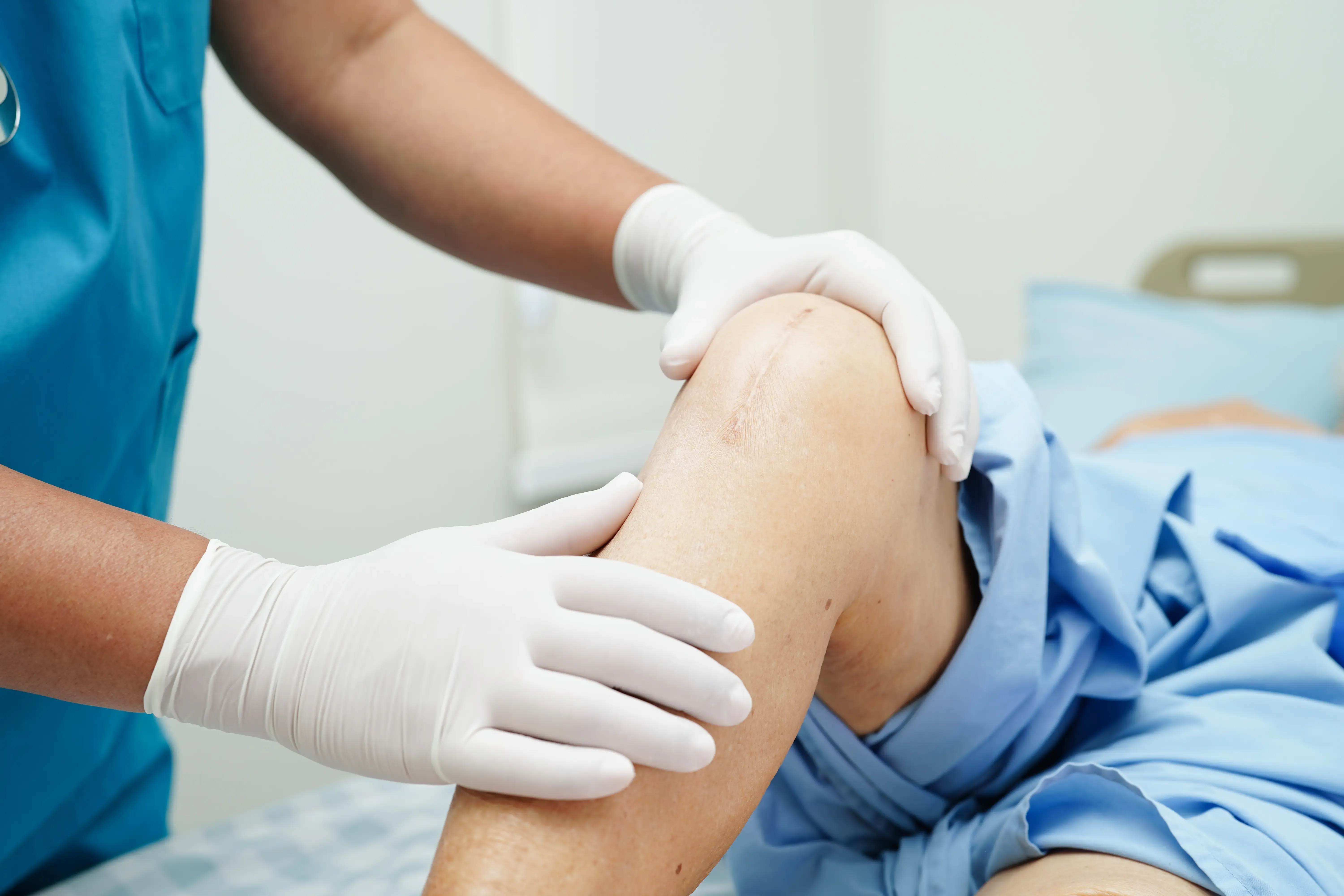
Years of bone-on-bone arthritis, prior meniscus injuries or a worn-out cartilage surface can leave your knee swollen, stiff and painful with every step. Many patients tell Dr. Leo Chen that the stairs at home feel like a mountain, that morning stiffness lasts longer each year, or that a simple walk on the beach in Destin is no longer possible. Anti-inflammatories, bracing, physical therapy and injections may have helped for a while, but the pain keeps coming back and your sleep, work and independence suffer.
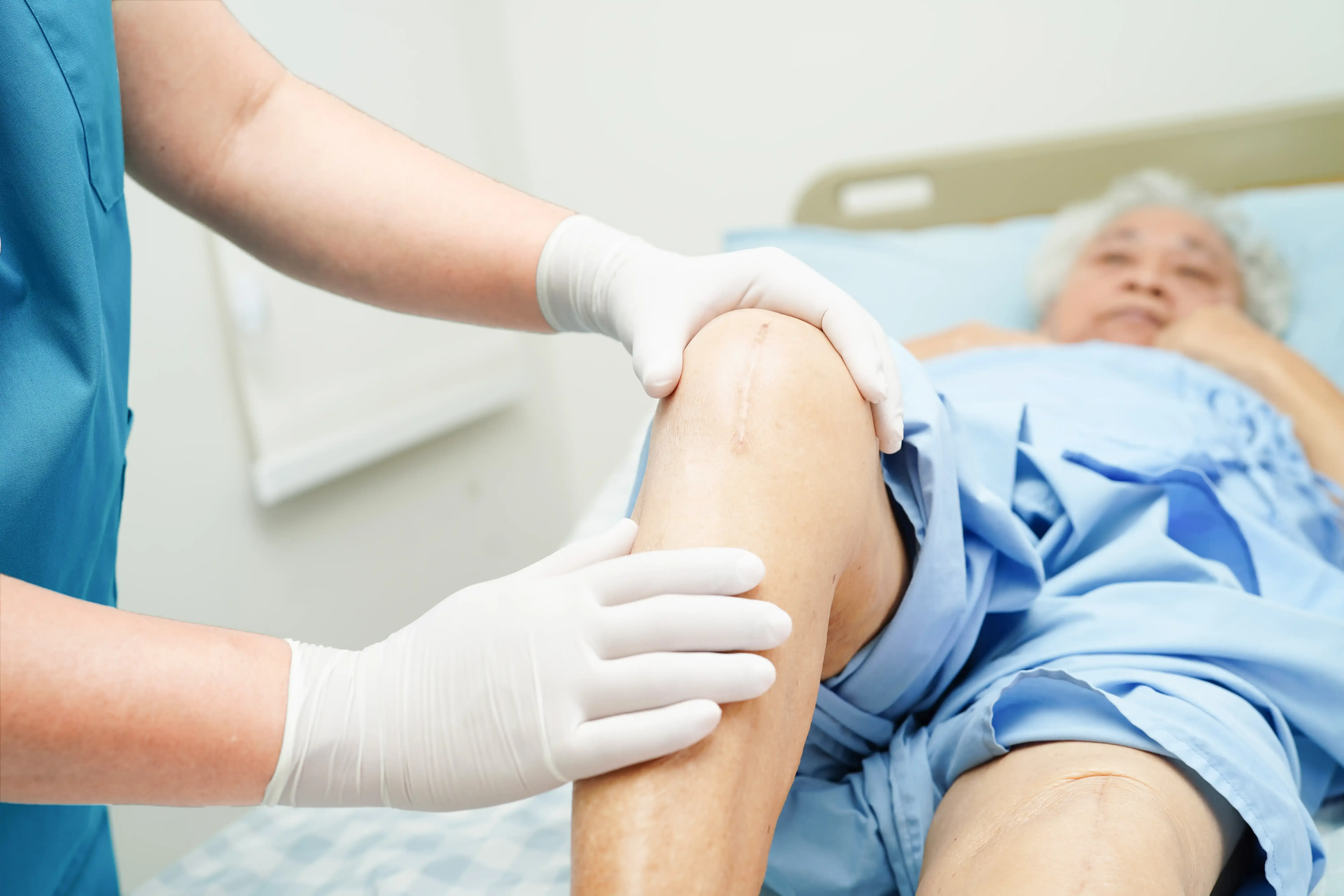
Knee replacement surgery near me, also called knee arthroplasty, resurfaces the damaged ends of your femur, tibia and (when needed) patella with precisely fitted metal and medical-grade polyethylene implants. Dr. Leo Chen performs both total knee replacement and partial (unicompartmental) knee replacement based on which compartments of your knee are arthritic. Most patients walk with assistance the day of surgery and progress to driving, returning to work and full daily activities over 6 to 12 weeks.
The Science of Knee Arthroplasty
Knee replacement, medically called knee arthroplasty, is a surgical procedure in which Dr. Leo Chen removes the worn cartilage and a thin layer of underlying bone from your knee joint and replaces those surfaces with prosthetic components. The implants are designed to recreate a smooth, gliding joint so you can bend, straighten, walk and climb stairs without bone-on-bone pain.
In a total knee replacement (total knee arthroplasty, or TKA), all three compartments of the knee are resurfaced: the medial (inside), lateral (outside) and patellofemoral (kneecap) compartments. In a partial knee replacement (unicompartmental knee arthroplasty, or UKA), only the single compartment damaged by arthritis is replaced, preserving your healthy ligaments, cartilage and bone. Dr. Leo Chen uses imaging, examination findings and your activity goals to determine which approach is right for you.
Modern knee implants are made of cobalt-chromium or titanium alloy components separated by a highly cross-linked polyethylene bearing. Peer-reviewed registry data show that more than 90 percent of contemporary knee replacements are still functioning well 15 to 20 years after surgery, and patient-reported pain relief and function scores improve dramatically in the first year (PMID 32827003).
Durable Pain Relief and Function
2000+ Satisfied patients






Most patients report 80 to 95 percent reduction in arthritis pain
Improved walking distance, stair climbing and daily independence
More than 90 percent of knee replacements last 15 to 20 years or longer
Eliminates the nighttime arthritis pain that wakes many patients
Walking, golf, swimming, cycling and low-impact recreation in Destin and beyond
Modern protocols have patients standing and walking the day of surgery
Compare Your Options
| Treatment | Mechanism | Time | Results | Duration | Downtime | Best For |
|---|---|---|---|---|---|---|
| Knee Replacement | Resurfaces joint with implants | 60 to 90 min | Pain relief within weeks | 15 to 20+ years | 6 to 12 weeks | End-stage arthritis, bone-on-bone |
| Corticosteroid Injections | Reduces joint inflammation | 10 to 15 min | Days to 1 week | 6 weeks to 4 months | None | Flare-ups, mild to moderate arthritis |
| PRP Injections | Stimulates natural healing | 30 to 45 min | Weeks to months | 6 to 12 months | 1 to 3 days | Early to mid-stage arthritis |
| Knee Arthroscopy | Cleans torn cartilage, debris | 30 to 60 min | Within 4 to 6 weeks | Variable, problem-specific | 1 to 4 weeks | Meniscus tears, loose bodies, no advanced arthritis |
Finding Your Best Path Forward
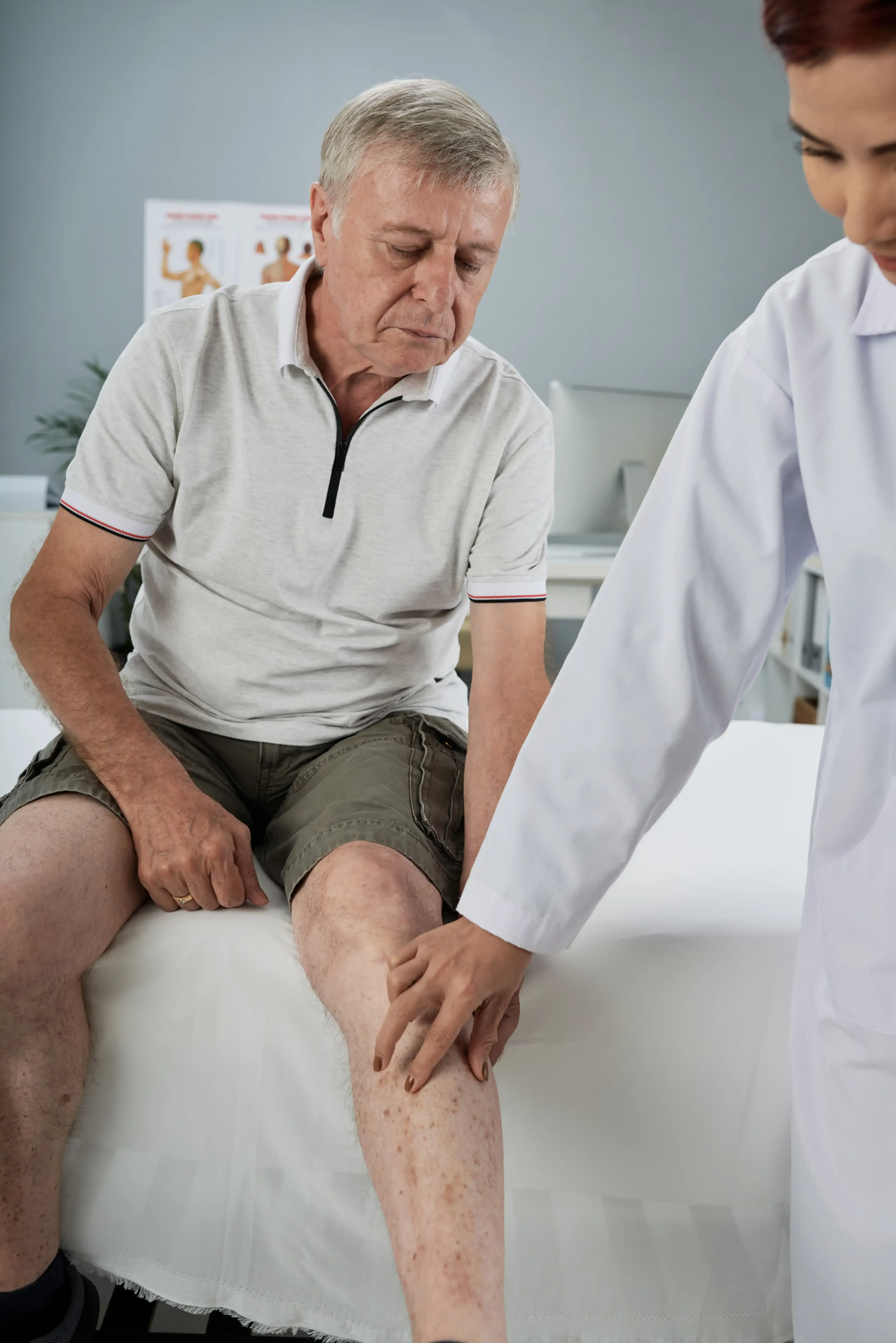
Knee replacement is appropriate for patients whose advanced knee arthritis no longer responds to non-surgical care. During your consultation, Dr. Leo Chen will review your X-rays, examination findings and prior treatments to determine whether total or partial knee arthroplasty is right for you.
Every candidacy decision is individualized. Dr. Leo Chen will review your full medical history, current medications and imaging before recommending surgery or an alternative treatment path.
Dr. Leo Chen reviews your X-rays, sizes the implants and confirms total or partial arthroplasty.
The anesthesia team places a spinal block or general anesthesia and positions your leg.
Dr. Leo Chen makes a precise incision and gently moves the kneecap to expose the joint.
Dr. Leo Chen removes the damaged cartilage and bone, then places the metal and polyethylene implants.
The incision is closed in layers and you begin walking with physical therapy that same day.
What to Know
Most patients recover from knee replacement without serious complications, but every surgery carries risk. Common, expected side effects include swelling, bruising, incisional pain, temporary numbness around the scar and mild stiffness during early therapy. These typically resolve over 6 to 12 weeks as the soft tissues heal.
Less common complications include blood clots in the leg or lungs, wound healing problems and persistent stiffness that may require additional therapy or manipulation under anesthesia.
Rare but serious risks include deep infection of the prosthesis, implant loosening or wear over time, fracture around the implant, ongoing pain and the rare need for revision surgery.
Dr. Leo Chen's fellowship training, on-site imaging and patient-centered planning at Emerald Coast Ortho are designed to identify and minimize these risks for every patient.
Call Emerald Coast Ortho at (850) 864-3339 right away, or go to the nearest emergency department, if you develop a fever, spreading redness, warmth or drainage at the incision, calf pain or swelling, chest pain, or shortness of breath after surgery.
Knee replacement in Fort Walton Beach, FL is considered medically necessary surgery for end-stage knee arthritis and is typically covered by Medicare, Medicare Advantage plans and most commercial health insurance plans. Your out-of-pocket cost depends on your specific plan, deductible, coinsurance, copay and whether your knee replacement is performed in a hospital or an ambulatory surgery center.
At your consultation with Dr. Leo Chen, our team will review your insurance benefits, explain the components of your bill (surgeon fee, facility fee, anesthesia, implants and therapy) and provide a personalized estimate. For specific pricing questions or to verify your benefits before scheduling, please call our office at (850) 864-3339. Self-pay and bundled-payment options may be available for patients without insurance coverage. Emerald Coast Ortho is committed to transparent, honest pricing so you can plan with confidence.
Fort Walton Beach's Trusted Surgeon
Dr. Leo Chen, Diplomate of the American Board of Orthopaedic Surgery
Surgery is offered only after injections, bracing and therapy have been tried
Same-day imaging for evaluation, planning and follow-up visits
24 years serving Fort Walton Beach with patient-centered, transparent care
Sports medicine fellowship training from UT Southwestern gives Dr. Leo Chen a precise understanding of knee biomechanics, implant alignment, and what active patients need to return to full function.
Recovery starts the day of surgery. In-office follow-up, on-site X-ray for implant checks, and coordinated physical therapy referrals keep your rehabilitation on track without leaving Fort Walton Beach.
Your Questions Answered
You may be a candidate if you have end-stage knee arthritis on X-ray, daily pain that limits walking, stairs or sleep and have already tried conservative options like therapy, bracing and injections. Dr. Leo Chen confirms candidacy during a thorough consultation.
Most patients walk with a walker the day of surgery, transition to a cane by 2 to 4 weeks and walk unassisted by 4 to 6 weeks. Driving and light work return between 2 and 6 weeks. Full strength and confidence continue improving for up to 12 months.
Total knee replacement resurfaces all three compartments of the knee. Partial (unicompartmental) knee replacement resurfaces only the single arthritic compartment and preserves your healthy ligaments and cartilage. Dr. Leo Chen chooses the right option based on your imaging and exam.
Modern knee implants are very durable. Long-term registry data show that more than 90 percent of contemporary knee replacements are still functioning well 15 to 20 years after surgery, and many last longer with normal activity and weight management.
Yes. Physical therapy is essential for restoring range of motion, strength and confidence. Most patients start home or outpatient therapy within 1 week of surgery and continue for 6 to 12 weeks, with home exercises beyond that.
Knee replacement for end-stage arthritis is medically necessary and is typically covered by Medicare and most commercial plans. Out-of-pocket costs depend on your deductible, coinsurance and facility. Call (850) 864-3339 to verify your benefits before scheduling.