
Shoulder pain rarely comes from a single source. Rotator cuff tendinitis and tears, shoulder impingement, bursitis, labral injuries, frozen shoulder (adhesive capsulitis) and glenohumeral arthritis all share overlapping symptoms. Repetitive overhead motion, sports like tennis and pickleball, lifting injuries and age-related degeneration are common triggers along the Emerald Coast. Falls, motor vehicle collisions and work injuries can produce acute tears or fractures that need timely imaging. Dr. Leo Chen narrows the cause through history, focused physical exam and same-day X-rays, then orders MRI only when the clinical picture warrants it.

Shoulder Pain Treatment in Fort Walton Beach, FL
Orthopedic evaluation for rotator cuff, arthritis and shoulder injuries with Dr. Leo Chen.
Common In:Adults 30+, athletes, manual workers
Top Causes:Rotator cuff injury, arthritis, impingement
First Step:On-site digital X-ray and clinical exam
First Approach:Non-operative care whenever possible
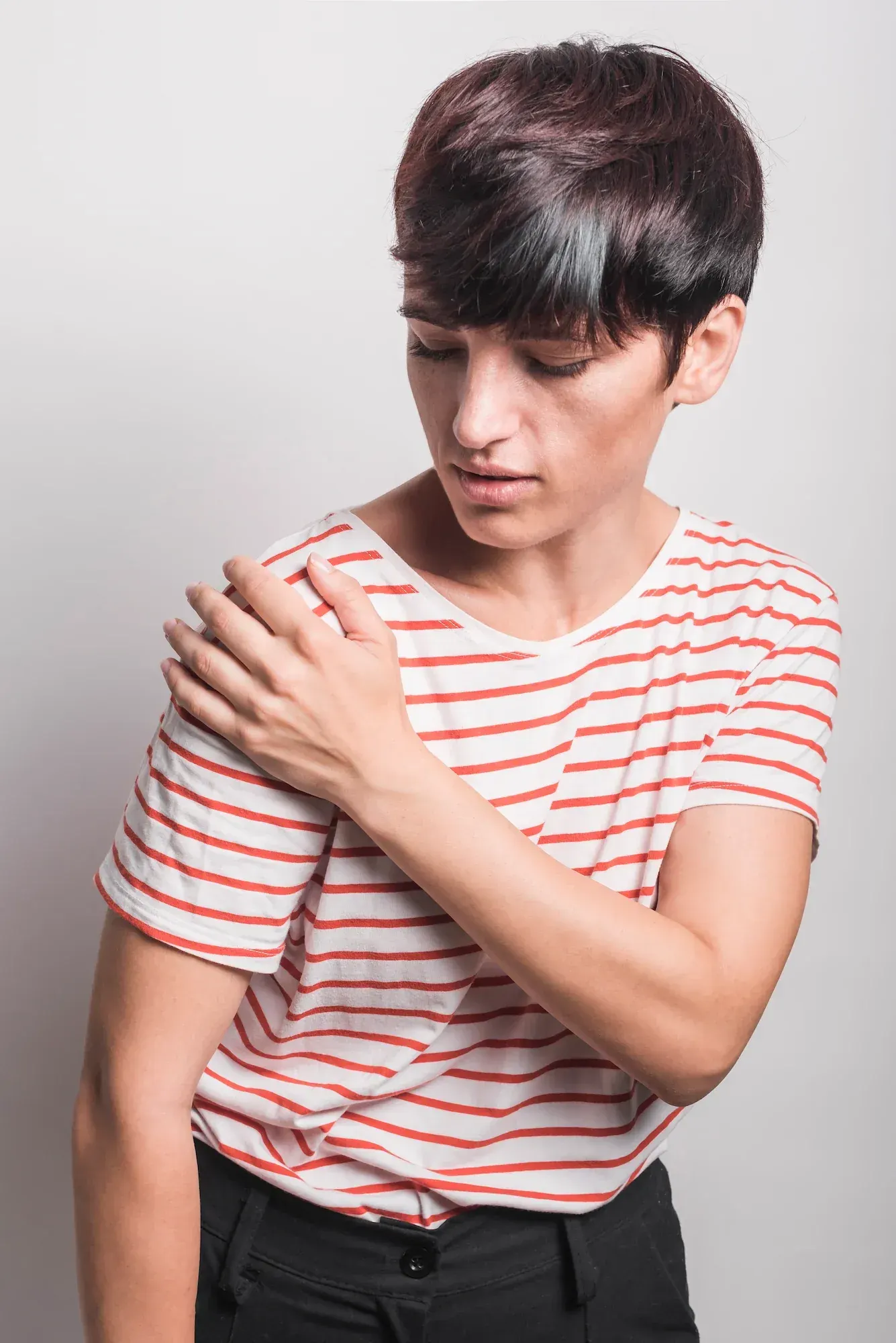
Understanding Shoulder Pain
Orthopedic Evaluation for Rotator Cuff, Arthritis and Shoulder Injuries
Shoulder pain is one of the most common reasons patients visit Emerald Coast Sports Medicine and Orthopaedics. Because the shoulder is the most mobile joint in the body, it is also vulnerable to wear, overuse and injury. Dr. Leo Chen, a board-certified orthopedic surgeon, evaluates and treats shoulder pain for patients across Fort Walton Beach, Niceville, Destin, Crestview, Mary Esther, Shalimar and surrounding Okaloosa County. Most cases start with a non-operative plan, supported by on-site digital X-ray and a clear diagnosis.
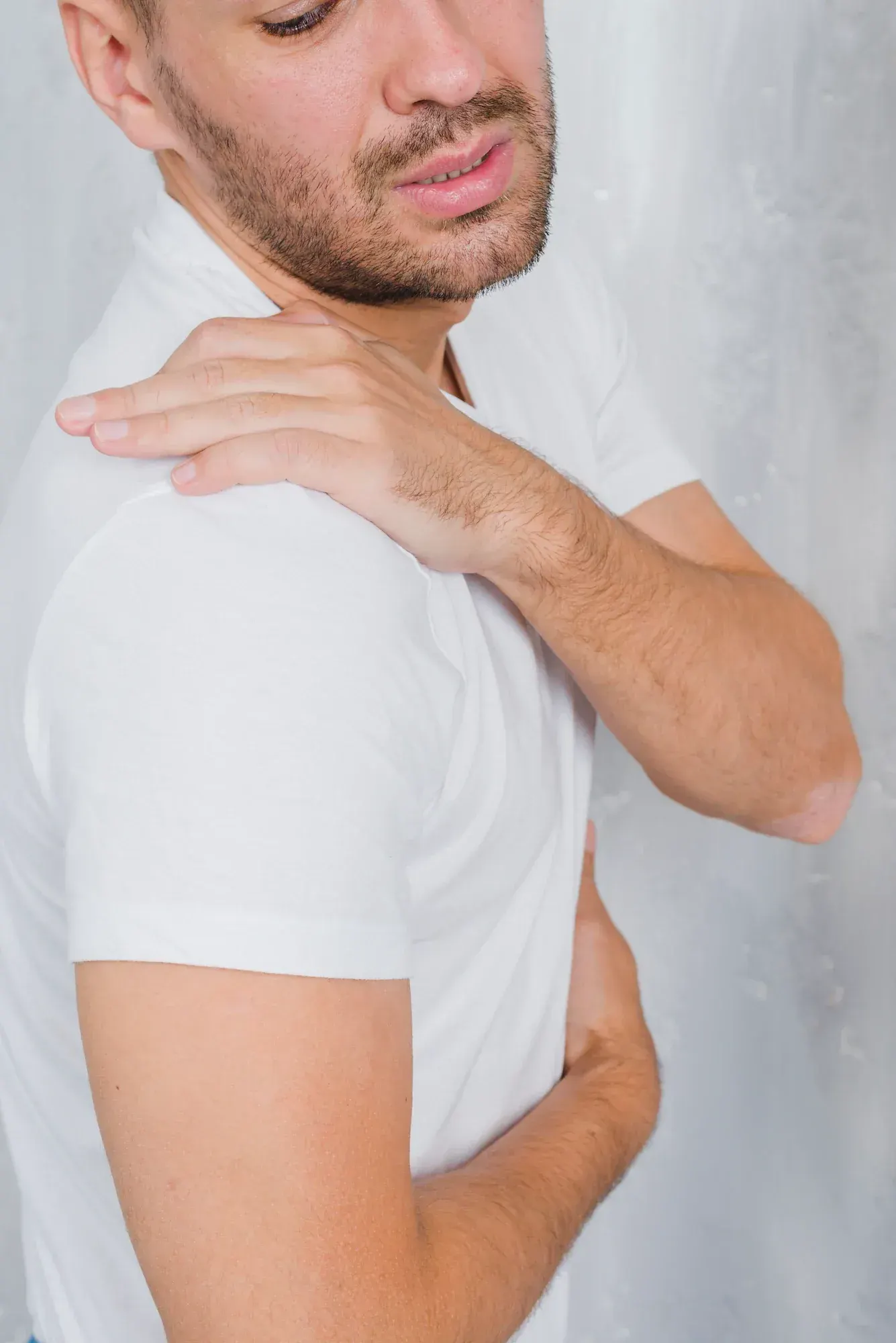
Common Causes of Shoulder Pain
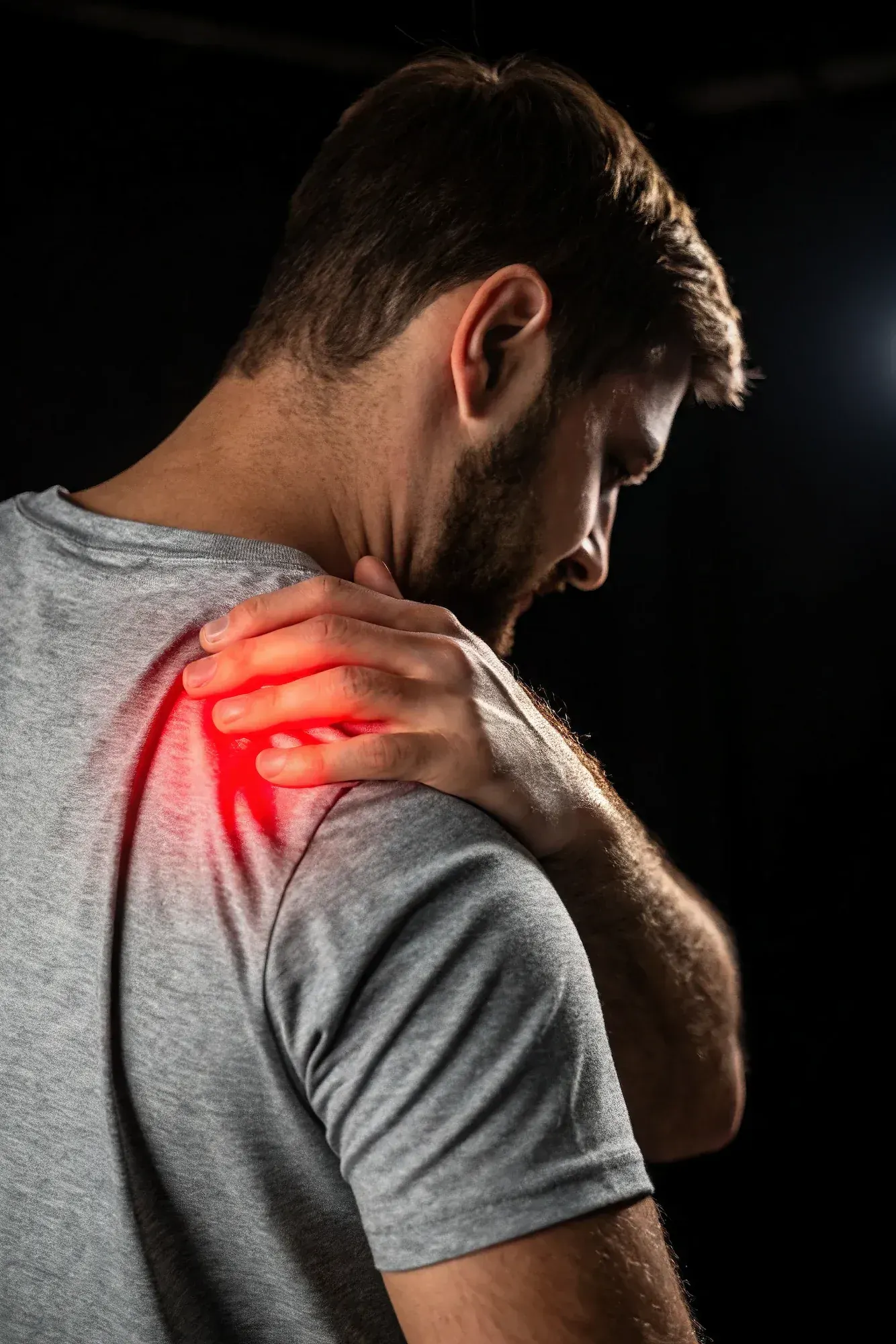
When Shoulder Pain Needs Attention
Mild soreness after activity often improves with rest and ice within a week. Pain that lingers beyond two to three weeks, wakes you at night, limits overhead reach or follows a specific injury deserves a clinical evaluation. Untreated rotator cuff tears can enlarge over time, and early arthritis is far easier to manage than advanced joint damage. A focused exam with Dr. Leo Chen helps identify the right next step, whether that is targeted therapy, an injection or a discussion of surgical options.

Why Choose Emerald Coast Ortho for Shoulder Pain
- Board-Certified Surgeon
- Same-Day Imaging
- Non-Operative First
- Full Continuum of Care
Shoulder Pain Treatment Comparison
| Treatment | Best For | Session Time | Results Timeline | Maintenance |
|---|---|---|---|---|
| PRP Injections | Rotator cuff tendinitis, partial tears, mild arthritis | 30 to 45 minutes | 4 to 12 weeks for symptom improvement | Repeat series as needed, paired with therapy |
| Rotator Cuff Repair | Full-thickness tears or symptomatic partial tears | 1 to 2 hours (outpatient) | 3 to 6 months for return to activity | Structured rehab, gradual return to overhead use |
| Total Shoulder Replacement | Advanced glenohumeral arthritis with motion loss | 1.5 to 2 hours (inpatient or outpatient) | 3 to 6 months for functional recovery | Lifelong implant, periodic follow-up imaging |
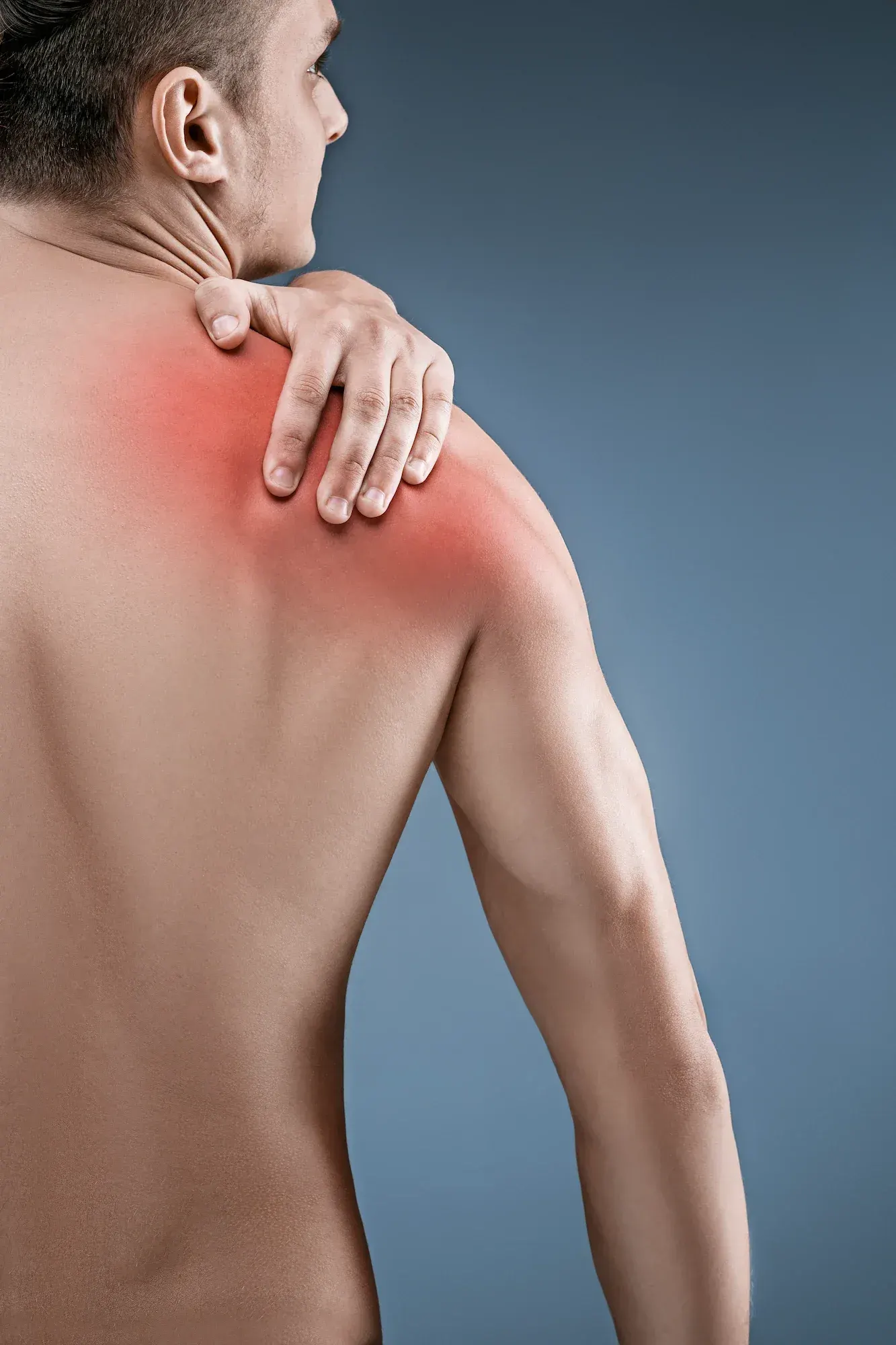
Signs You May Have a Shoulder Problem
- Pain Reaching Overhead
- Night Pain
- Weakness or Heaviness
- Clicking, Popping or Catching
- Stiffness and Lost Motion
- Pain After a Specific Injury
Shoulder Pain: Frequently Asked Questions
01 What causes shoulder pain?
Most shoulder pain comes from rotator cuff problems, impingement, bursitis, arthritis, frozen shoulder or labral injuries. Overuse, sports, falls and age-related wear are common triggers. Dr. Leo Chen identifies the source with a focused exam and on-site digital X-ray, then adds MRI only when the clinical picture calls for it.
02 When should I see a doctor for shoulder pain?
Schedule an evaluation if pain lasts more than two to three weeks, wakes you at night, limits overhead reach, follows a specific injury or comes with weakness. Early evaluation helps prevent small problems like tendinitis from progressing to larger rotator cuff tears or advanced arthritis.
03 Could my shoulder pain be a rotator cuff tear?
Possibly. Classic signs include weakness lifting the arm, pain at night, trouble reaching overhead and discomfort after a lifting strain or fall. Dr. Leo Chen confirms or rules out a rotator cuff tear with a focused physical exam, on-site X-ray and, when needed, an MRI. Treatment depends on tear size, age and activity goals.
04 What are the non-surgical options for shoulder pain?
Most patients improve with a structured plan that may include activity modification, physical therapy, anti-inflammatory medication, corticosteroid or PRP injections, and a supportive sling for short-term protection. Surgery is reserved for cases where conservative care has not restored function or when imaging shows a structural problem that warrants repair.
05 How long does shoulder pain take to heal?
Mild strains often settle within a few weeks. Rotator cuff tendinitis and bursitis may need six to twelve weeks of therapy. Recovery from rotator cuff repair or shoulder replacement typically spans three to six months, with most patients returning to daily activities sooner than full sport or heavy lifting.
Location339 NW Racetrack Rd, Suite 12
Fort Walton Beach, FL, 32547
Fort Walton Beach, FL, 32547
Emailfwbortho@gmail.com
Phone(850) 864-3339
Schedule Your Consultation
Scientific References
- PubMed (PMID: 25088750) - Epidemiology of shoulder pain in primary care shows it is among the most common musculoskeletal complaints, with rotator cuff disorders as the leading cause.
- PubMed (PMID: 23015268) - Systematic review of rotator cuff disease confirms imaging-guided diagnosis and stepwise non-operative care as the standard initial approach.
- PubMed (PMID: 31299149) - Comparative outcomes data support arthroscopic rotator cuff repair for symptomatic full-thickness tears that fail conservative management.
- PubMed (PMID: 30342942) - Long-term follow-up studies of anatomic total shoulder arthroplasty demonstrate durable pain relief and motion improvement in glenohumeral arthritis.