
Most knee arthritis is osteoarthritis, a gradual breakdown of cartilage from years of walking, standing, lifting and absorbing impact. Age, family history, body weight, alignment of the leg and prior knee injuries (such as ACL tears, meniscus tears or fractures) all increase the risk. Inflammatory conditions like rheumatoid arthritis and post-traumatic arthritis can also damage the joint. As cartilage thins, the bones rub together, the joint produces extra fluid and small bone spurs may form, all of which contribute to pain, stiffness and reduced range of motion. Dr. Leo Chen uses your history, exam and same-day X-rays to identify the type and stage of arthritis so treatment can be matched to the joint, not just the symptoms.

Knee Arthritis Treatment in Fort Walton Beach, FL
Diagnosis and treatment from injections to knee replacement with Dr. Leo Chen
Most Common In:Adults 50 and older
Main Type:Osteoarthritis of the knee
Top Symptoms:Stiffness, swelling, grinding, pain with activity
First Step:On-site digital X-ray and exam with Dr. Leo Chen
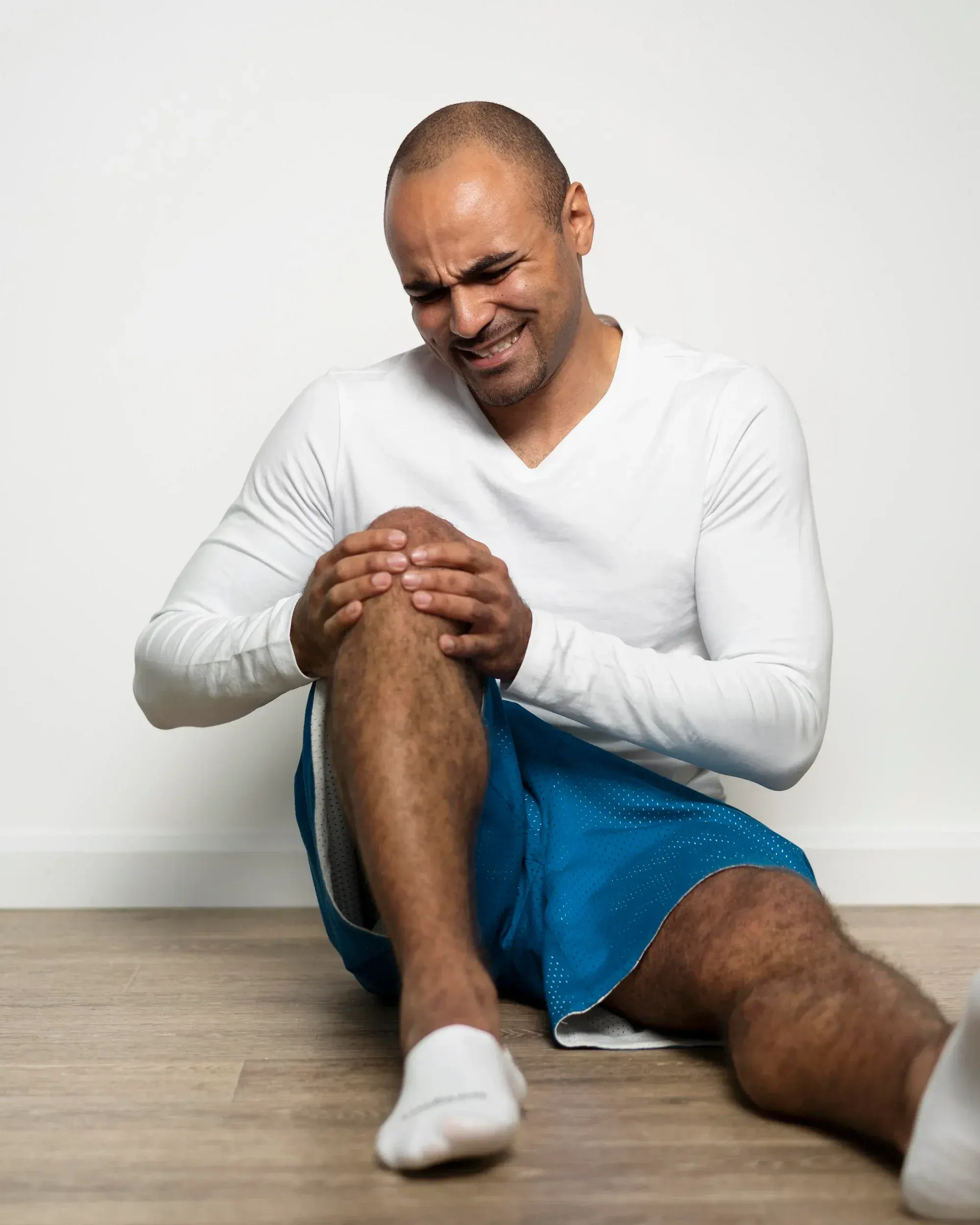
Understanding Knee Arthritis
A common, treatable cause of knee pain in adults
Knee arthritis is one of the most common reasons adults seek orthopedic care in Fort Walton Beach, Niceville, Destin, Crestview, Mary Esther, Shalimar and surrounding Okaloosa County. It is a wear and tear condition in which the smooth cartilage that cushions the knee joint thins over time, leading to pain, stiffness, swelling and difficulty walking, kneeling or climbing stairs. At Emerald Coast Sports Medicine and Orthopaedics, Dr. Leo Chen, a board-certified orthopedic surgeon, evaluates every patient with on-site digital X-ray and builds a step-by-step plan that starts with non-operative care and reserves knee replacement for those who truly need it.
Common Causes of Knee Arthritis
From everyday wear to past injuries

Stages and What They Mean
Mild to severe, and what each looks like
Knee arthritis is typically described in stages. Early arthritis shows minor cartilage thinning and occasional stiffness. Moderate arthritis brings more frequent pain, swelling after activity and a feeling of grinding or catching. Severe (bone on bone) arthritis often causes pain at rest, night pain, deformity and significant loss of function. Knowing your stage helps Dr. Leo Chen decide whether activity modification, bracing, injections or surgery offers the best balance of relief and recovery time.
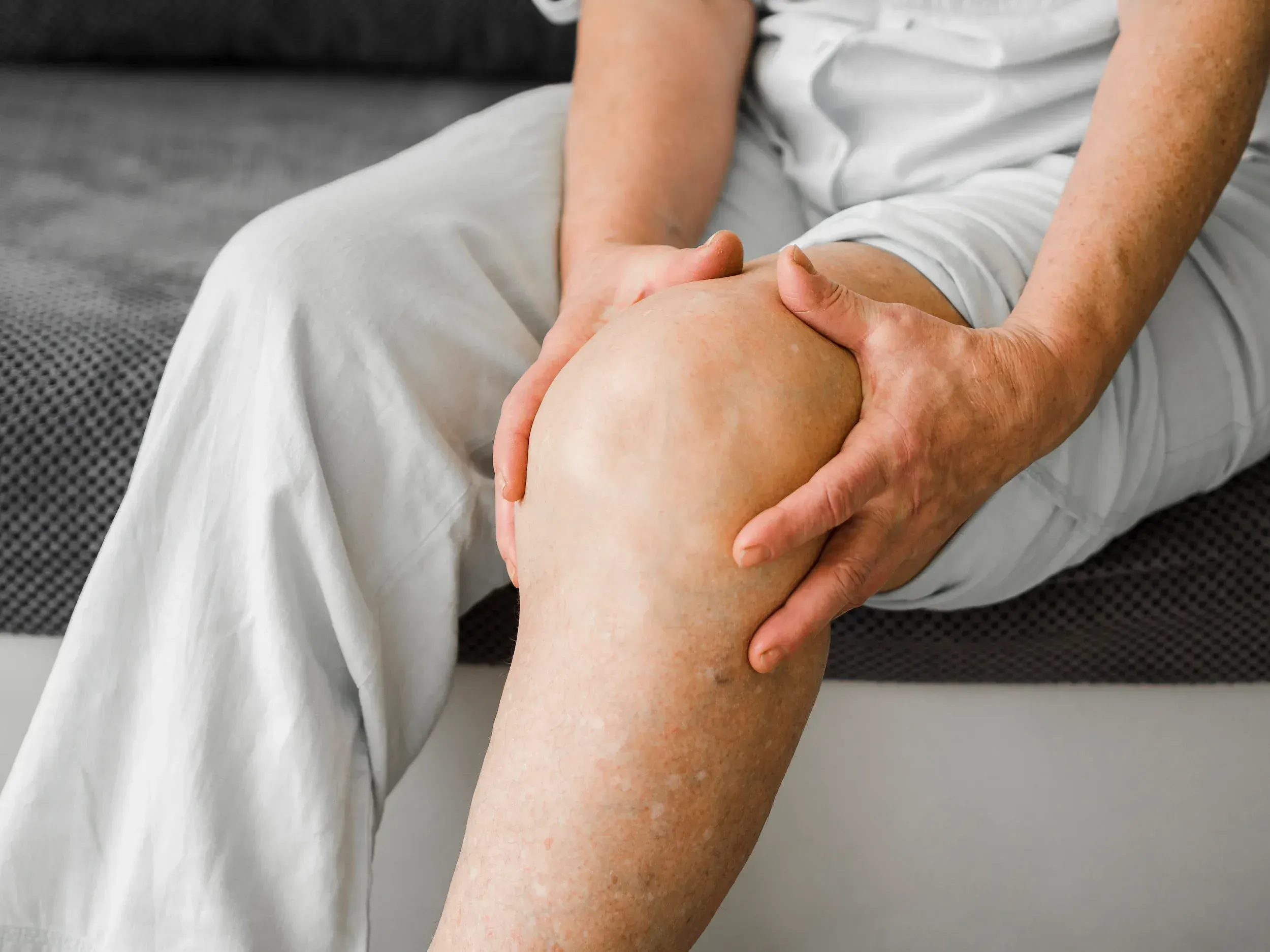

Why Choose Emerald Coast Ortho for Knee Arthritis
- Single Surgeon, Full Spectrum
- On-Site Digital X-ray
- Non-Operative First
- Independent and Local
Knee Arthritis Treatment Comparison
Options offered at Emerald Coast Ortho
| Treatment | Best For | Session Time | Results Timeline | Maintenance |
|---|---|---|---|---|
| Corticosteroid Injections | Moderate flares with swelling and inflammation | 10 to 15 minutes | 2 to 5 days for relief | Repeat every 3 to 6 months as needed |
| PRP Injections | Early to moderate arthritis seeking biologic support | 30 to 45 minutes | 4 to 8 weeks for full effect | 1 to 3 injections, then yearly as needed |
| Viscosupplementation (Gel Injections) | Mild to moderate arthritis not ready for surgery | 10 to 15 minutes | 2 to 4 weeks for relief | Repeat about every 6 months as needed |
| Knee Replacement | Severe, bone on bone arthritis limiting daily life | 1 to 2 hours in surgery | 6 to 12 weeks for daily activities | Implant typically lasts 15 to 20 years or more |

Signs You May Have Knee Arthritis
When knee pain stops being just soreness
- Morning Stiffness
- Pain With Activity
- Swelling After Use
- Grinding or Catching
- Buckling or Weakness
- Night Pain
Knee Arthritis FAQs
Questions patients ask Dr. Leo Chen
01 What are the stages of knee arthritis?
Knee arthritis is usually graded from mild to severe. Mild arthritis shows minor cartilage thinning and occasional stiffness. Moderate arthritis brings more frequent pain, swelling and a grinding feeling with activity. Severe (bone on bone) arthritis causes daily pain, deformity and significant loss of motion. Dr. Leo Chen uses your exam and same-day X-rays to confirm the stage and match treatment to it.
02 What is the treatment for knee arthritis?
Treatment is matched to your stage and goals. Most patients start with activity changes, weight management, physical therapy and a brace from our in-office DME selection. If symptoms persist, Dr. Leo Chen may recommend corticosteroid injections to calm inflammation or PRP injections to support healing in earlier arthritis. When the joint is bone on bone and quality of life is limited, knee replacement is considered.
03 How do I know if I need a knee replacement?
Knee replacement is generally considered when arthritis is severe on X-ray, pain interferes with sleep and daily activities, and non-operative care no longer controls symptoms. During your visit, Dr. Leo Chen reviews your imaging, function and goals to help you decide whether replacement, continued injections or other care is the right next step.
04 Can knee arthritis be reversed?
Cartilage loss in osteoarthritis cannot be fully reversed, but symptoms can be managed for years with the right plan. Weight management, strengthening, bracing, corticosteroid injections and PRP injections can reduce pain, slow progression and delay or avoid surgery. When the joint is too damaged for these measures, knee replacement reliably restores function.
05 Are injections safe to repeat over time?
Yes, when spaced appropriately. Corticosteroid injections are typically repeated no more than every 3 to 4 months. PRP injections, which use your own blood platelets, can be repeated as needed. Dr. Leo Chen will track your response and adjust the plan so you get relief without overusing any single treatment.
Location339 NW Racetrack Rd, Suite 12
Fort Walton Beach, FL, 32547
Fort Walton Beach, FL, 32547
Emailfwbortho@gmail.com
Phone(850) 864-3339
Schedule Your Consultation
Scientific References
- PubMed (PMID: 31034565) - Long-term outcomes of total knee arthroplasty show durable pain relief and functional gains in patients with severe osteoarthritis.
- PubMed (PMID: 31278997) - Intra-articular corticosteroid injections provide short-term symptom relief in knee osteoarthritis when used judiciously.
- PubMed (PMID: 31704484) - Platelet-rich plasma (PRP) injections can reduce pain and improve function in mild to moderate knee osteoarthritis.
- PubMed (PMID: 32007158) - AAOS clinical practice guideline supports a stepwise, non-operative first approach to knee osteoarthritis management.