
Most hip arthritis is osteoarthritis, the gradual breakdown of joint cartilage over decades of use. Age, family history, prior hip injuries, repetitive impact from running or labor jobs, and excess body weight all increase risk. Less commonly, hip arthritis develops from rheumatoid arthritis, post-traumatic changes after a fracture or dislocation, or avascular necrosis (loss of blood supply to the femoral head). Each cause shapes the treatment plan, which is why Dr. Leo Chen reviews your history alongside same-day imaging before recommending next steps.

Hip Arthritis Treatment in Fort Walton Beach, FL
Personalized, non-operative first care from Dr. Leo Chen, board-certified orthopedic surgeon at Emerald Coast Sports Medicine and Orthopaedics.
Common In:Adults 50+ and former athletes
Main Cause:Cartilage wear in the ball-and-socket joint
First Step:Same-day digital X-ray and exam with Dr. Leo Chen
Treatment Range:Activity changes, injections, hip replacement

Understanding Hip Arthritis
Hip arthritis is a progressive condition where the smooth cartilage lining the ball-and-socket joint wears down, causing pain, stiffness, and reduced mobility. At Emerald Coast Sports Medicine and Orthopaedics, Dr. Leo Chen evaluates and treats patients with hip arthritis across Fort Walton Beach, Niceville, Destin, Crestview, Mary Esther, Shalimar and surrounding Okaloosa County. Care begins with a thorough exam, on-site digital X-ray imaging, and a non-operative first plan whenever possible.

What Leads to Hip Arthritis?
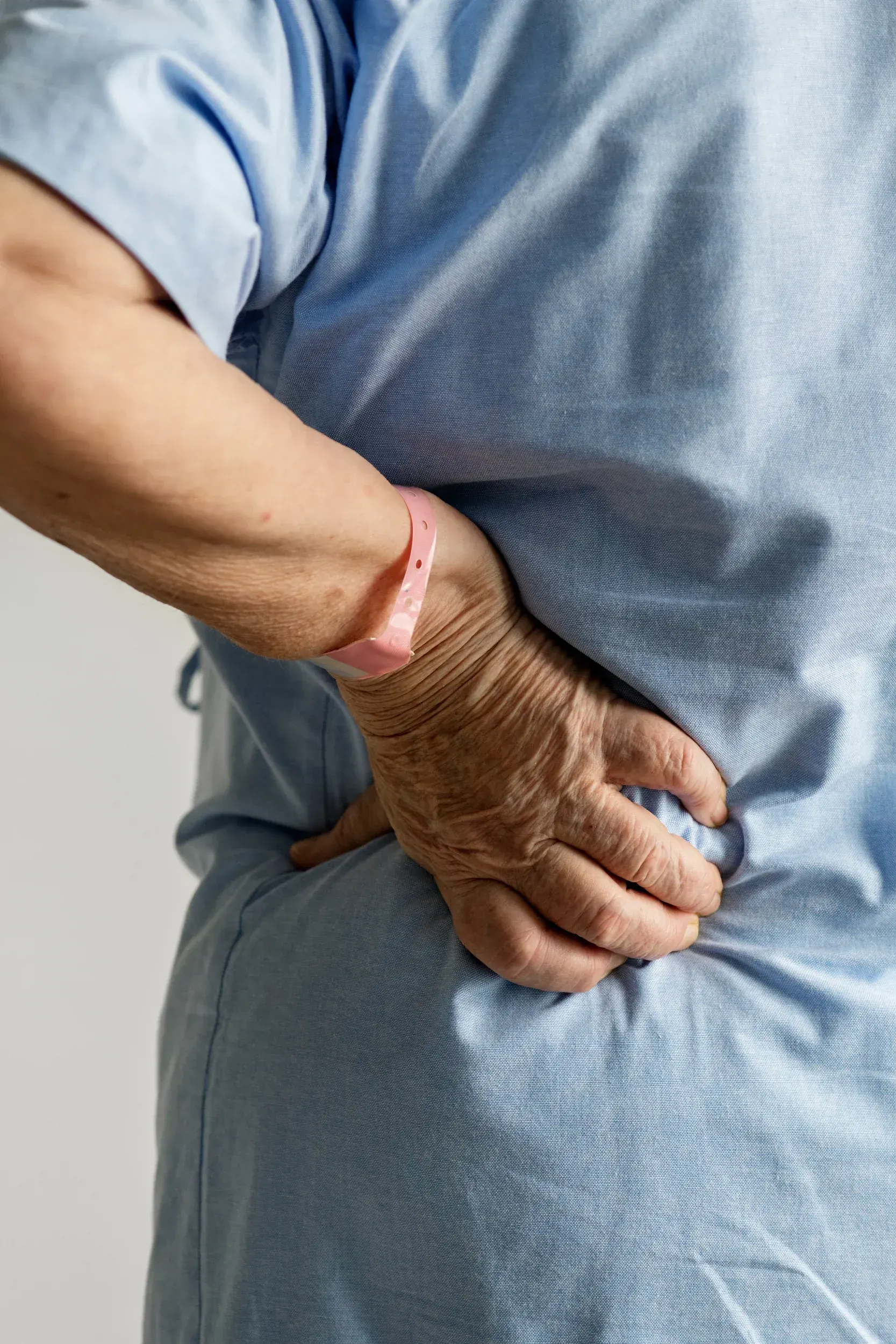
How Hip Arthritis Progresses
Early hip arthritis often shows up as morning stiffness or groin discomfort after long walks. As cartilage continues to thin, pain can radiate to the thigh or buttock and limit basic activities like putting on socks or climbing stairs. Many patients live well for years with conservative care, including physical therapy, weight management, anti-inflammatory medication, corticosteroid injections, and PRP injections, before considering surgical options.


Why Choose Emerald Coast Ortho for Hip Arthritis
- Board-Certified Surgeon
- Same-Day Imaging
- Non-Operative First
- Full-Spectrum Care
Compare Treatment Options for Hip Arthritis
| Treatment | Best For | Session Time | Results Timeline | Maintenance |
|---|---|---|---|---|
| Corticosteroid Injections | Mild to moderate arthritis with flare-ups | 15 to 20 minutes | Days to 1 week | Every 3 to 6 months as needed |
| PRP Injections | Early to moderate arthritis seeking biologic support | 30 to 45 minutes | 4 to 6 weeks | Series of injections, then annual touch-ups |
| Hip Replacement | Severe arthritis with daily pain and lost function | 1.5 to 2 hours surgical | 6 weeks to 6 months recovery | Long-term implant, periodic follow-up imaging |

Signs You May Have Hip Arthritis
- Groin or Thigh Pain
- Morning Stiffness
- Reduced Range of Motion
- Pain with Activity
- Clicking or Grinding
- Limp or Gait Change
Frequently Asked Questions About Hip Arthritis
01 What are the signs of hip arthritis?
The most common signs are groin or thigh pain, stiffness in the morning or after sitting, reduced range of motion, a clicking or grinding sensation, and a limp or shortened stride. Pain often worsens with walking, stairs, or long periods of standing and improves with rest. If several of these symptoms sound familiar, schedule an evaluation with Dr. Leo Chen for an exam and same-day X-ray.
02 What is the treatment for hip arthritis?
Treatment is staged based on severity. Early cases often respond to physical therapy, weight management, activity modification, and anti-inflammatory medication. Moderate cases may benefit from corticosteroid injections or PRP injections to reduce inflammation and support cartilage health. Severe, end-stage arthritis is typically treated with total hip replacement when conservative care no longer controls symptoms.
03 When does hip arthritis require replacement?
Hip replacement is considered when arthritis pain limits daily activities, disrupts sleep, and stops responding to injections, therapy, and medication. X-ray findings of advanced joint space loss support the decision, but the deciding factor is quality of life. Dr. Leo Chen reviews the full picture with you before recommending surgery.
04 How do I relieve hip arthritis pain at home?
Helpful steps include low-impact exercise such as swimming or stationary cycling, gentle stretching, weight management, supportive footwear, and ice or heat for flare-ups. Over-the-counter anti-inflammatory medication can ease discomfort short term. If pain persists beyond a few weeks or limits your activity, see Dr. Leo Chen for an in-office evaluation.
05 Is hip arthritis the same as bursitis?
No. Hip arthritis affects the cartilage inside the ball-and-socket joint, while bursitis is inflammation of the fluid-filled sacs that cushion soft tissue around the hip. They can feel similar, which is why an in-office exam and digital X-ray are important to confirm the diagnosis and guide treatment.
Location339 NW Racetrack Rd, Suite 12
Fort Walton Beach, FL, 32547
Fort Walton Beach, FL, 32547
Emailfwbortho@gmail.com
Phone(850) 864-3339
Schedule Your Consultation
Scientific References
- PubMed (PMID: 31034812) - Osteoarthritis of the hip is a leading cause of disability worldwide, with cartilage degeneration driving progressive pain and functional loss.
- PubMed (PMID: 29626556) - Intra-articular corticosteroid injections provide short-term pain relief for symptomatic hip osteoarthritis in patients who have not responded to conservative care.
- PubMed (PMID: 33161073) - Platelet-rich plasma injections show promise for reducing pain and improving function in mild to moderate hip osteoarthritis compared with hyaluronic acid.
- PubMed (PMID: 31034810) - Total hip arthroplasty remains one of the most successful elective surgeries, delivering durable pain relief and restored mobility for end-stage hip arthritis.