Consultation
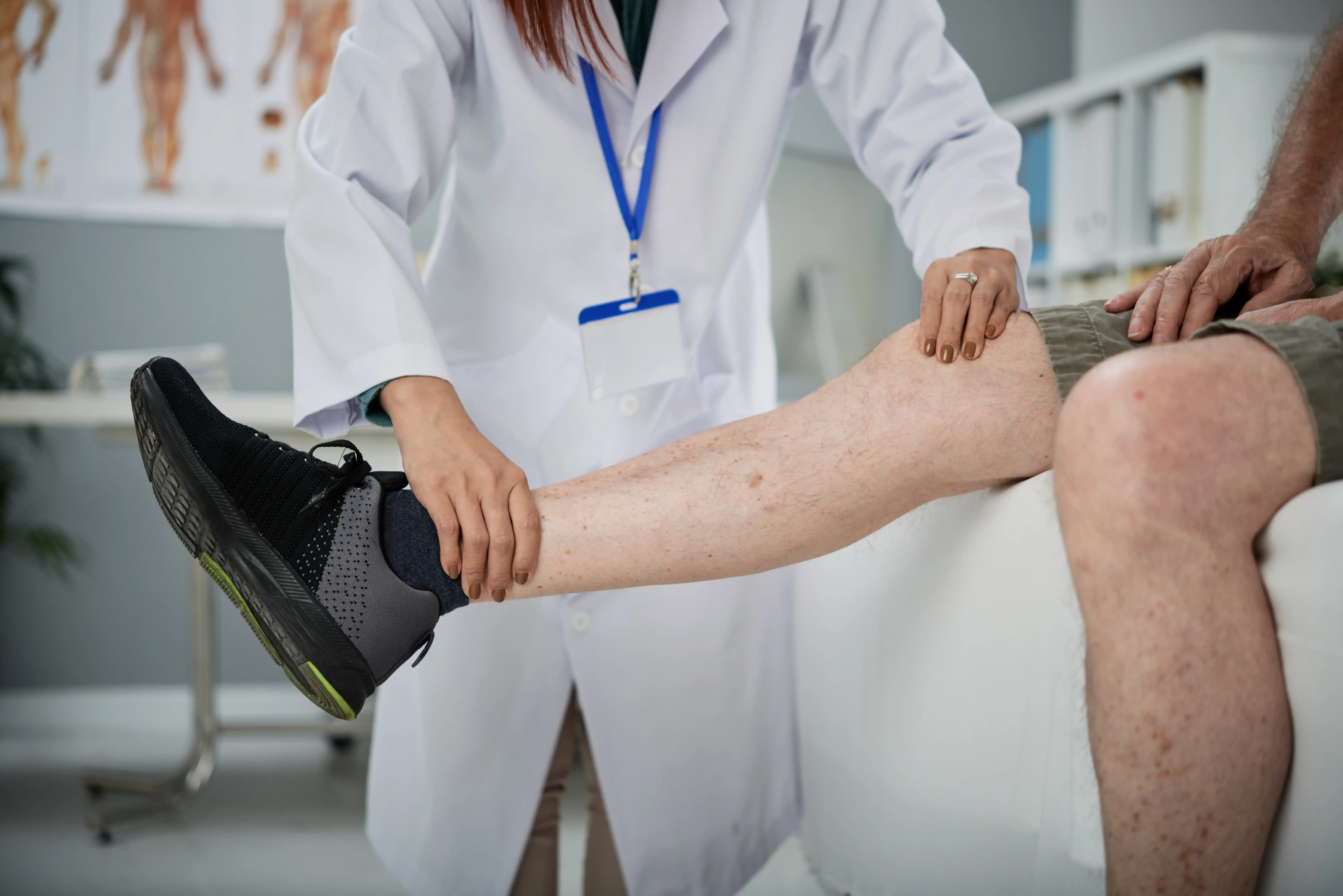
Dr. Leo Chen reviews your history, MRI and on-site X-rays, then confirms that meniscectomy is the right approach.

Arthroscopic Knee Surgery
When Conservative Care Falls Short
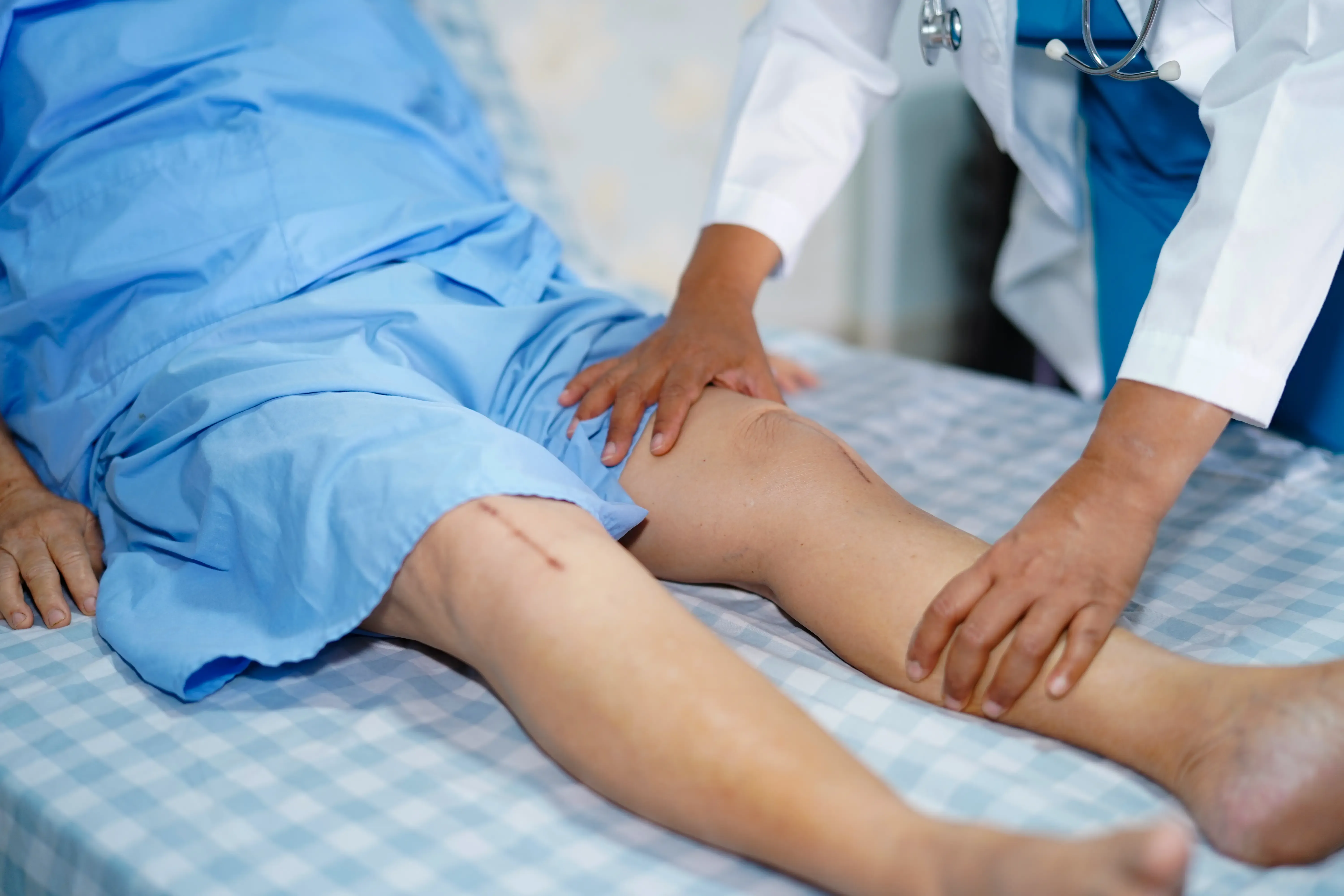
A torn meniscus often causes sharp pain along the joint line, catching or locking sensations, swelling that returns after activity, and a feeling that the knee may give way on stairs or uneven ground. When the tear is degenerative, located in the central avascular zone, or has a complex pattern, the tissue cannot heal on its own. Patients frequently report that physical therapy, bracing, ice and anti-inflammatory medications offered short term relief but the mechanical symptoms keep returning.
Arthroscopic partial meniscectomy removes only the damaged, unstable fragments while preserving as much healthy meniscal tissue as possible. Dr. Leo Chen uses small incisions and a high definition camera to visualize the entire joint, trim the torn portion smoothly, and address any associated cartilage damage in the same session. Most patients walk the same day, experience meaningful pain relief within two to four weeks, and return to low impact activity within four to eight weeks under a structured rehabilitation plan.
Arthroscopic Tissue Removal
Meniscectomy is an arthroscopic procedure that falls under our arthroscopy services in Fort Walton Beach and removes torn or unstable meniscal tissue from the knee joint. The meniscus is a C-shaped cartilage shock absorber that sits between the femur (thigh bone) and the tibia (shin bone). Each knee has two menisci, medial and lateral, that distribute load, stabilize the joint, and protect the articular cartilage during walking, squatting, and pivoting.
A partial meniscectomy is the standard approach at Emerald Coast Ortho. Dr. Leo Chen removes only the torn fragment and reshapes the remaining rim to a smooth, stable contour. Total meniscectomy (removing the entire meniscus) is rarely performed today because preserving meniscal tissue protects long-term joint health.
After anesthesia is administered, Dr. Leo Chen makes two or three small portals around the knee, each roughly the width of a pencil. An arthroscope, a thin tube with a camera and light, is inserted through one portal. Specialized instruments enter through the other portals. Sterile fluid gently expands the joint so every surface is visible on a high definition monitor.
Dr. Leo Chen inspects the entire knee, identifies the tear pattern, and uses small graspers, biters and a motorized shaver to trim the unstable fragments. The goal is to leave a balanced, stable meniscal rim that can continue to share load. The portals are closed with one or two stitches each and covered with a sterile dressing.
Repair is preferred when the tear is in the vascular (red) zone, the patient is younger, and the tear pattern (vertical or longitudinal) is suitable for sutures. Meniscectomy is chosen when the tear is degenerative, located in the central avascular (white) zone, has a complex or radial pattern, or when the surrounding tissue is too frayed to hold sutures. Dr. Leo Chen confirms the appropriate approach during diagnostic arthroscopy at the start of the procedure.
Outpatient Knee Surgery
2000+ Satisfied patients






Two or three small portals, no large incision and minimal scarring.
Same day discharge so most patients recover at home that evening.
Mechanical symptoms often resolve within the first two to four weeks.
Most patients walk with full weight on day one as tolerated.
Low impact activity at 4 to 6 weeks, sport specific work at 6 to 8 weeks.
Dr. Leo Chen evaluates the entire knee and treats associated findings in one session.
Treatment Options
| Treatment | Mechanism | Time | Results | Duration | Downtime | Best For |
|---|---|---|---|---|---|---|
| Meniscectomy | Trim and remove unstable meniscal fragments | 30 to 60 minutes | Rapid relief of mechanical symptoms | Long term, with arthritis risk over years | 2 to 6 weeks | Degenerative, complex or avascular zone tears |
| Meniscus Repair | Suture the torn edges so tissue can heal | 45 to 90 minutes | Preserves full meniscus when healing succeeds | Permanent if the repair heals | 4 to 6 months | Younger patients with vertical tears in the vascular zone |
| PRP Injections | Concentrated platelets deliver growth factors | 20 to 30 minutes per visit | Pain reduction and inflammation control | 6 to 12 months per series | 1 to 3 days | Mild degenerative tears, irritation around partial tears |
| Non-Operative Care | Physical therapy, bracing, activity changes, anti-inflammatories | Ongoing over 6 to 12 weeks | Symptom control without surgery | As long as program is followed | None | Stable tears without locking or catching |
Surgical Evaluation
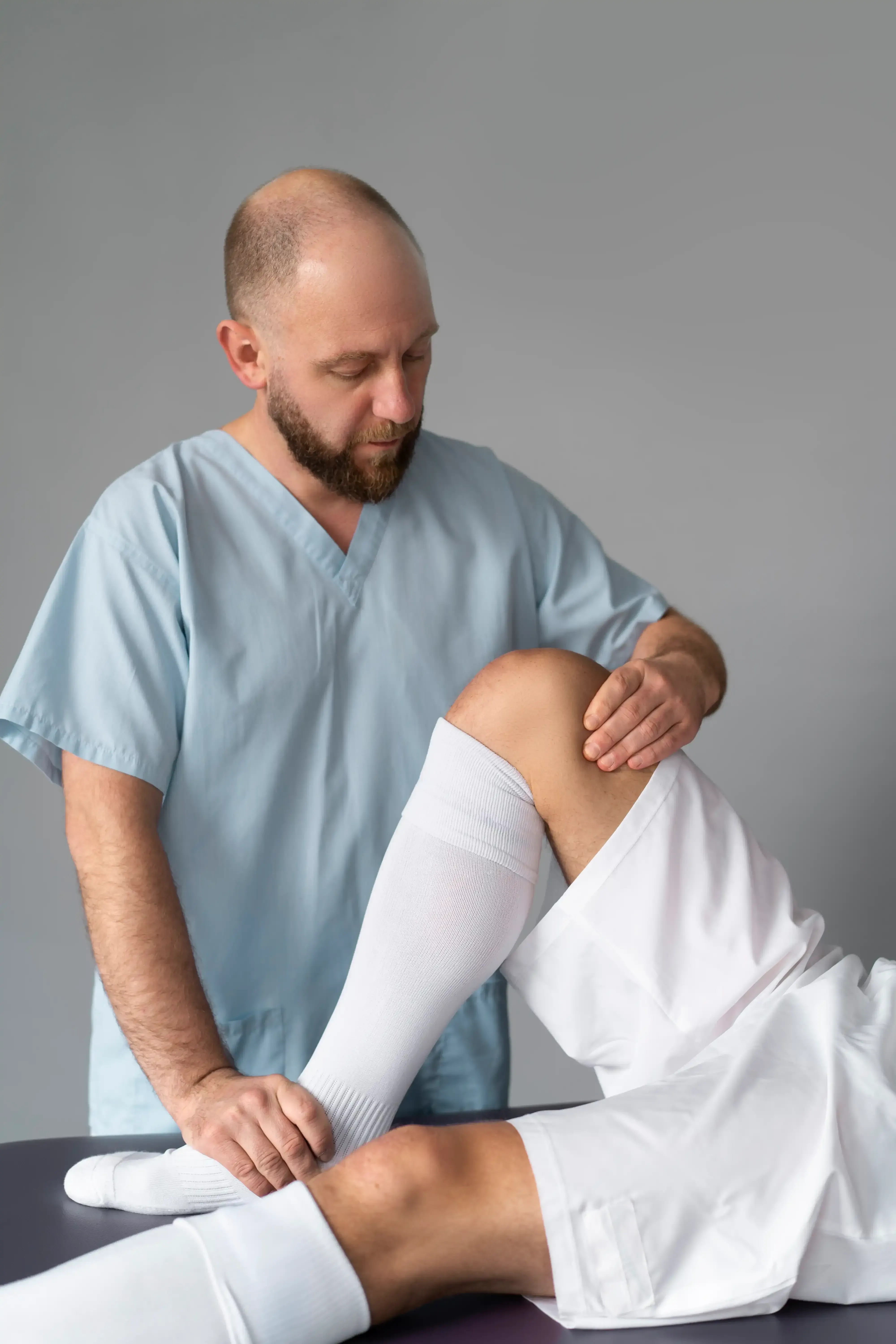
Meniscectomy is most appropriate for patients whose meniscal tear cannot be repaired and whose mechanical symptoms have not responded to conservative care. Dr. Leo Chen reviews your imaging, examines the knee and discusses your activity goals before recommending surgery.
Dr. Leo Chen will discuss any absolute contraindications during your consultation so you can make an informed decision about timing.
Dr. Leo Chen reviews your history, MRI and on-site X-rays, then confirms that meniscectomy is the right approach.
Dr. Leo Chen discusses anesthesia, fasting instructions and your rehabilitation plan before surgery day.
Dr. Leo Chen makes 2 to 3 small portals, inspects the joint with the arthroscope, and trims the torn meniscus.
Bromley and the nursing team monitor you as anesthesia wears off, then review aftercare with you and your driver.
Dr. Leo Chen sees you at 1 to 2 weeks for suture removal and coordinates physical therapy to restore strength and motion.
Honest Disclosure
Arthroscopic partial meniscectomy is a well established procedure with a strong safety record, but every surgery carries risks. Dr. Leo Chen reviews the specific risks that apply to your knee during the consultation.
Common, short term effects: swelling around the knee, mild bruising at the portal sites, soreness during the first 1 to 2 weeks, and temporary stiffness that improves with physical therapy. Most of these resolve within a month.
Persistent effusion (fluid build up), temporary numbness near the portal sites, delayed wound healing, and a slower than expected return to activity.
Rare but serious risks: infection in the joint or portal sites, deep vein thrombosis (blood clot) in the leg, nerve or vessel injury near the knee, and reaction to anesthesia.
Long term consideration: post-meniscectomy arthritis. Removing damaged tissue (even when only the torn portion is taken) can accelerate cartilage wear over years to decades.
Call (850) 864-3339 promptly if you develop fever, increasing redness or drainage at a portal site, calf pain or swelling, or pain that is not controlled by your prescribed medications.
Arthroscopic partial meniscectomy is a medically necessary procedure and is typically covered by commercial insurance, Medicare and many supplemental plans when imaging and conservative care documentation support the diagnosis. Your out-of-pocket cost depends on your specific plan, deductible, co-insurance and the facility where surgery is performed.
Our office team verifies your benefits before surgery and provides a written cost estimate whenever possible. Call (850) 864-3339 to speak with Troy Lee or Andrea about insurance verification and cost specifics for your individual case.
Fort Walton Beach, FL
Diplomate of the American Board of Orthopaedic Surgery with sports medicine fellowship training.
Dr. Leo Chen removes only what is unstable and protects as much healthy meniscus as possible.
Same day imaging in office for diagnosis, surgical planning and recovery follow up.
Dr. Leo Chen sees you at every visit, from first consult through final clearance.
Meniscectomy is performed arthroscopically as a same-day outpatient procedure, meaning no overnight hospital stay and a faster return to walking and daily activity.
Preserving meniscal tissue today reduces the risk of early knee arthritis later. Dr. Leo Chen makes conservative removal decisions with your long-term joint health as the priority.
Common Patient Questions
Meniscectomy trims and removes damaged tissue. Meniscus repair sutures the torn edges so they can heal. Repair is preferred when feasible, but many tears (degenerative, complex, or in the avascular zone) cannot be repaired.
Most patients walk the same day, return to desk work in about a week, resume low impact activity in 4 to 6 weeks, and return to running or sport in 6 to 8 weeks with structured physical therapy.
Removing meniscal tissue can accelerate cartilage wear over years. Dr. Leo Chen preserves as much healthy meniscus as possible. Maintaining healthy weight, strength, and avoiding high impact loading help protect the joint long term.
Yes. Arthroscopic partial meniscectomy is performed as a same day outpatient surgery at Emerald Coast Ortho. You arrive in the morning, recover for a few hours, and go home the same day with a designated driver.
Yes. A structured rehabilitation program restores range of motion, quadriceps and hamstring strength, and balance. Dr. Leo Chen coordinates referral to a local physical therapist and tracks your progress at follow up visits.
Most patients return to driving within 1 to 2 weeks for the right knee, sooner for the left knee, once they are off narcotic pain medication and can comfortably control the pedals.