
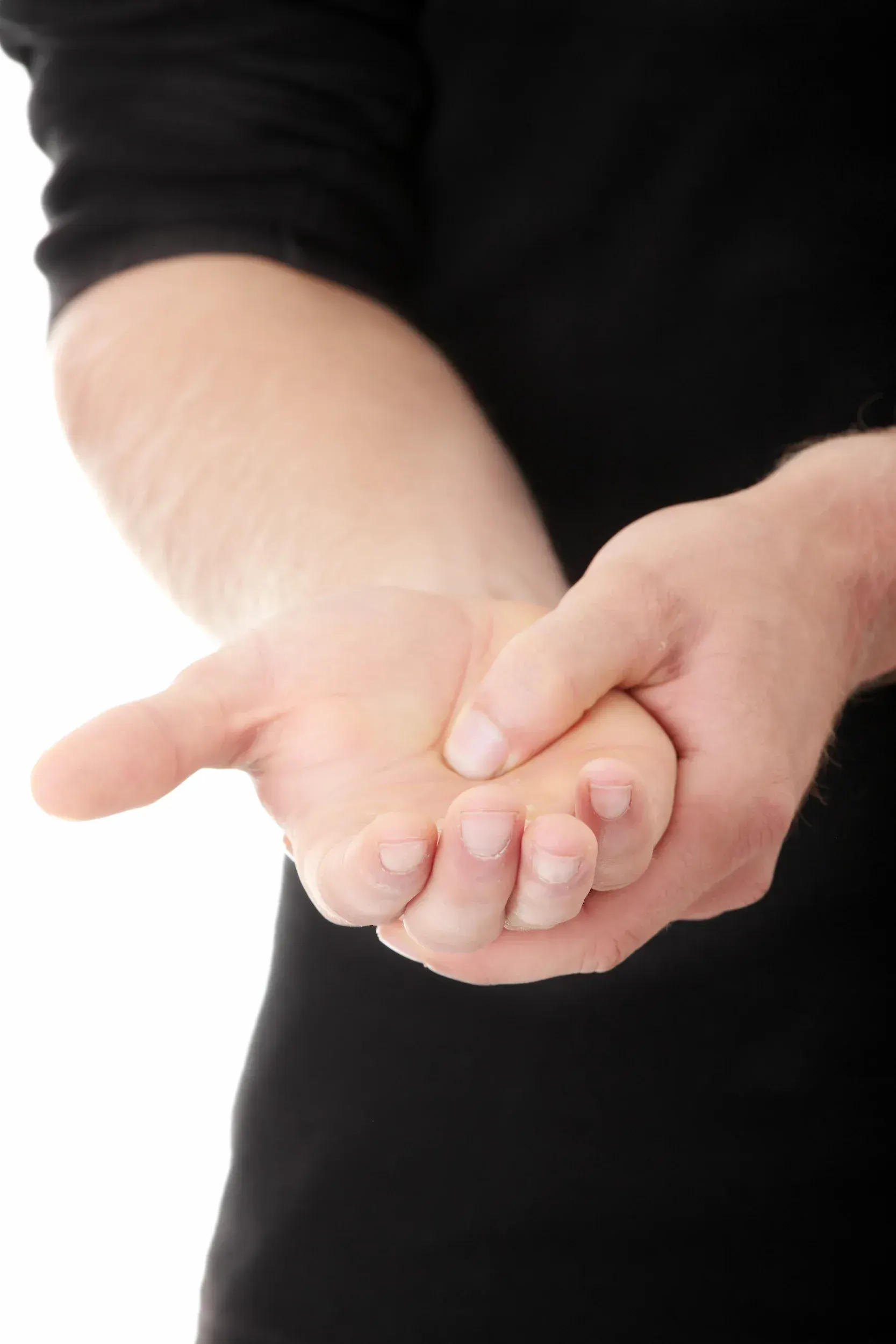
Trigger finger develops when the flexor tendon that bends your finger becomes irritated and inflamed where it passes through a narrow tunnel called the A1 pulley at the base of the finger. As the tendon thickens or develops a nodule, it no longer glides smoothly, causing the finger to catch, snap, or lock in a bent position. Repetitive gripping activities (tools, steering wheels, weights), prolonged forceful pinching, diabetes, rheumatoid arthritis, and gout all raise the risk. The ring finger and thumb are most commonly affected, and adults between 40 and 60, particularly women, see it most often.
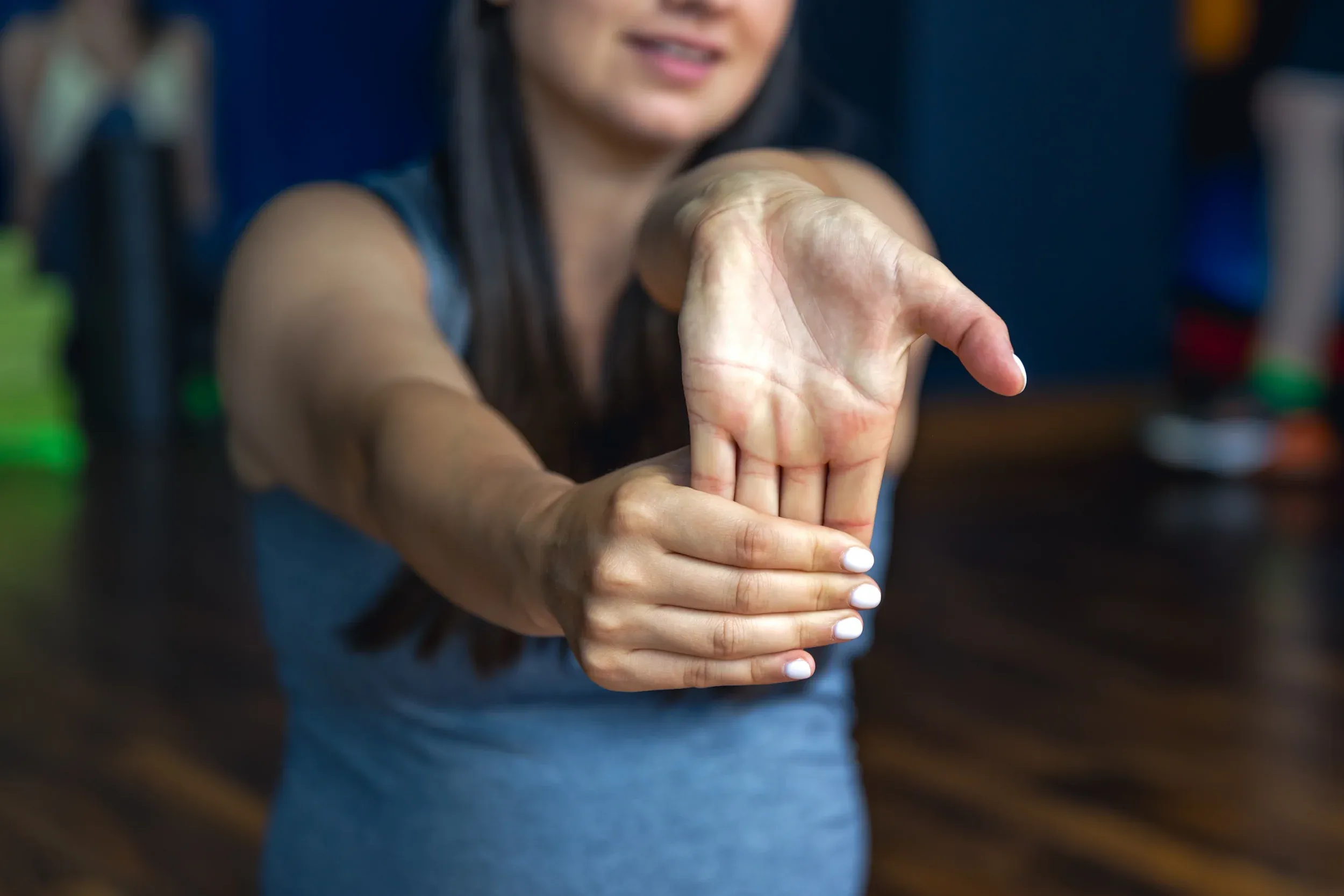
Trigger Finger Treatment in Fort Walton Beach, FL
Stop the painful clicking and catching with board-certified orthopedic care from Dr. Leo Chen.
Common In:Adults 40 to 60, more often women
Main Causes:Repetitive gripping, diabetes, inflammation
First Step:Splinting, activity changes, anti-inflammatories
Most Effective:Corticosteroid injection or release surgery
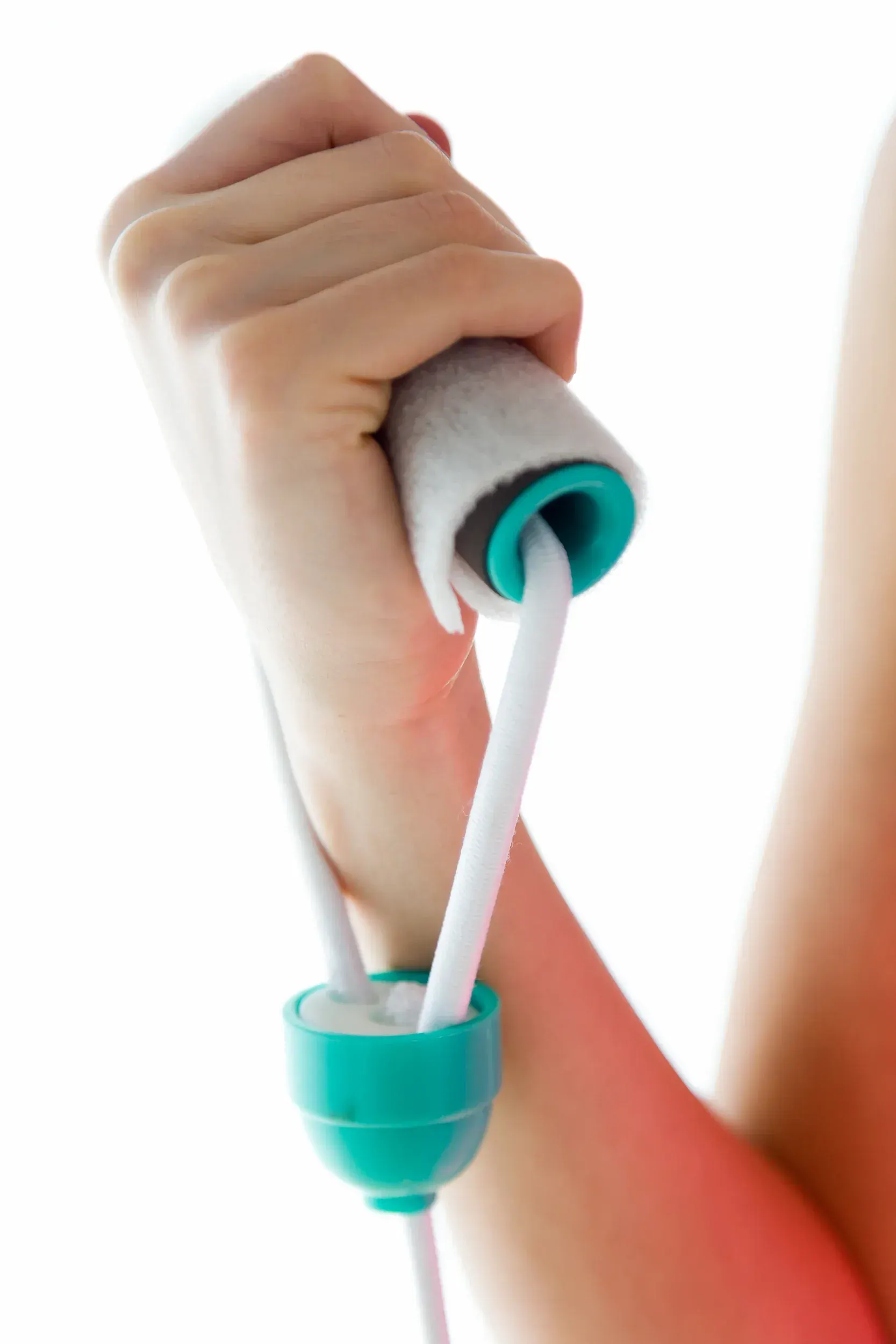
Understanding Trigger Finger
A common tendon condition with effective treatment options
Trigger finger, known medically as stenosing tenosynovitis, is one of the most common hand conditions treated at Emerald Coast Sports Medicine and Orthopaedics. It causes a finger or thumb to catch, lock, or snap painfully when bent. Dr. Leo Chen, board-certified orthopedic surgeon, evaluates and treats trigger finger for patients across Fort Walton Beach, Niceville, Destin, Crestview, Mary Esther, Shalimar and surrounding Okaloosa County. Most patients improve with conservative non-operative care before considering surgery.
Common Causes of Trigger Finger
Why Early Care Matters
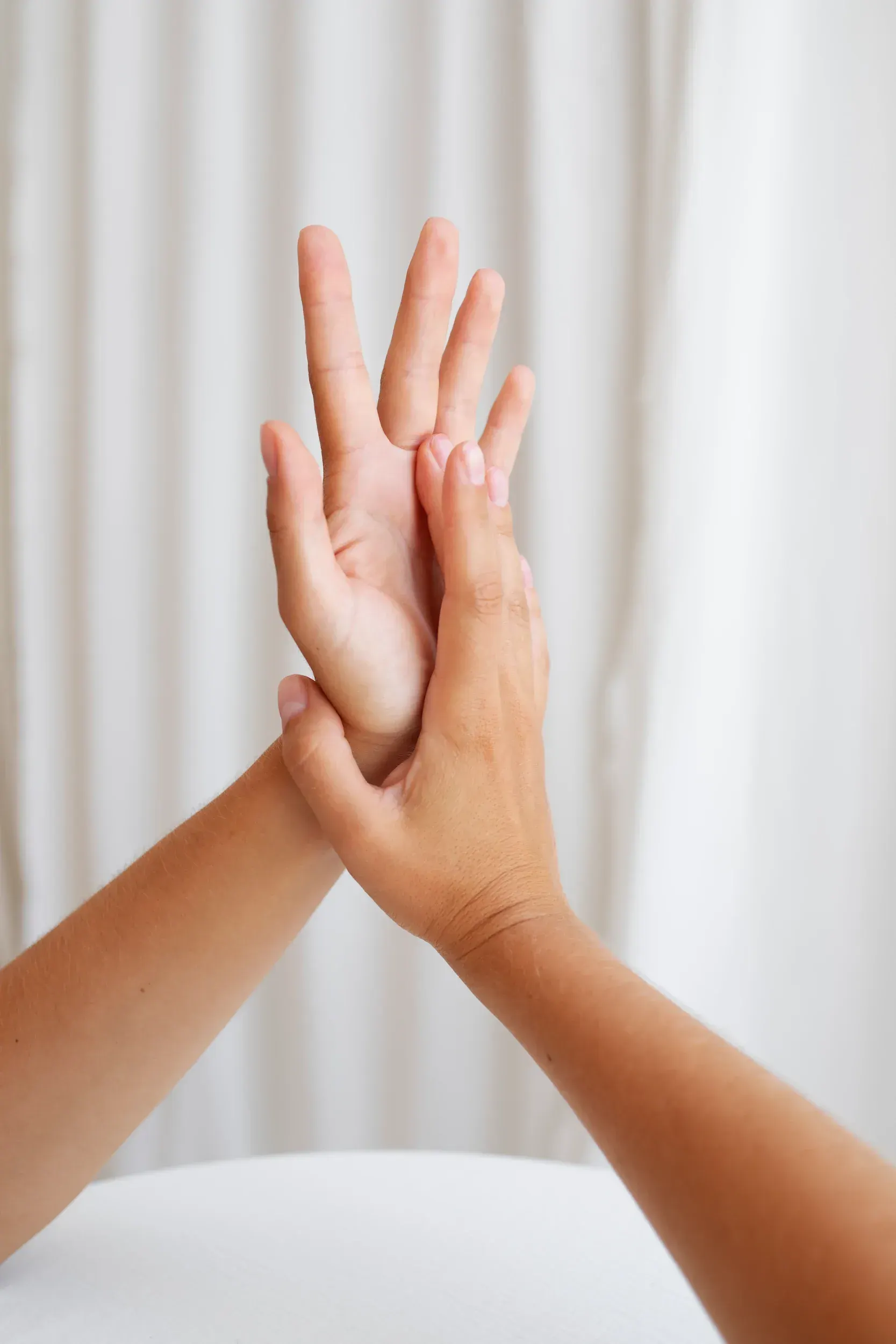
Mild trigger finger can sometimes resolve with rest and splinting, but ignoring persistent catching often leads to a permanently bent finger and stiffness that is harder to reverse. Early evaluation by Dr. Leo Chen helps confirm the diagnosis, rule out related conditions such as carpal tunnel syndrome or wrist pain, and start the right treatment before the tendon and joint stiffen further.
Why Choose Emerald Coast Ortho
- Board-Certified Hand Care
- Non-Operative First
- On-Site Imaging and DME
- One Surgeon, Full Continuity
Trigger Finger Treatment Comparison
| Treatment | Best For | Session Time | Results Timeline | Maintenance |
|---|---|---|---|---|
| Corticosteroid Injections | Mild to moderate cases, first-line treatment | 15 to 20 minutes | Relief in 3 to 7 days, lasting weeks to months | Up to 2 to 3 injections per finger over time |
| Trigger Finger Release | Persistent or recurrent triggering after injection | About 20 minutes (in-office or outpatient) | Triggering stops immediately, full recovery in 2 to 6 weeks | One-time procedure, recurrence is rare |
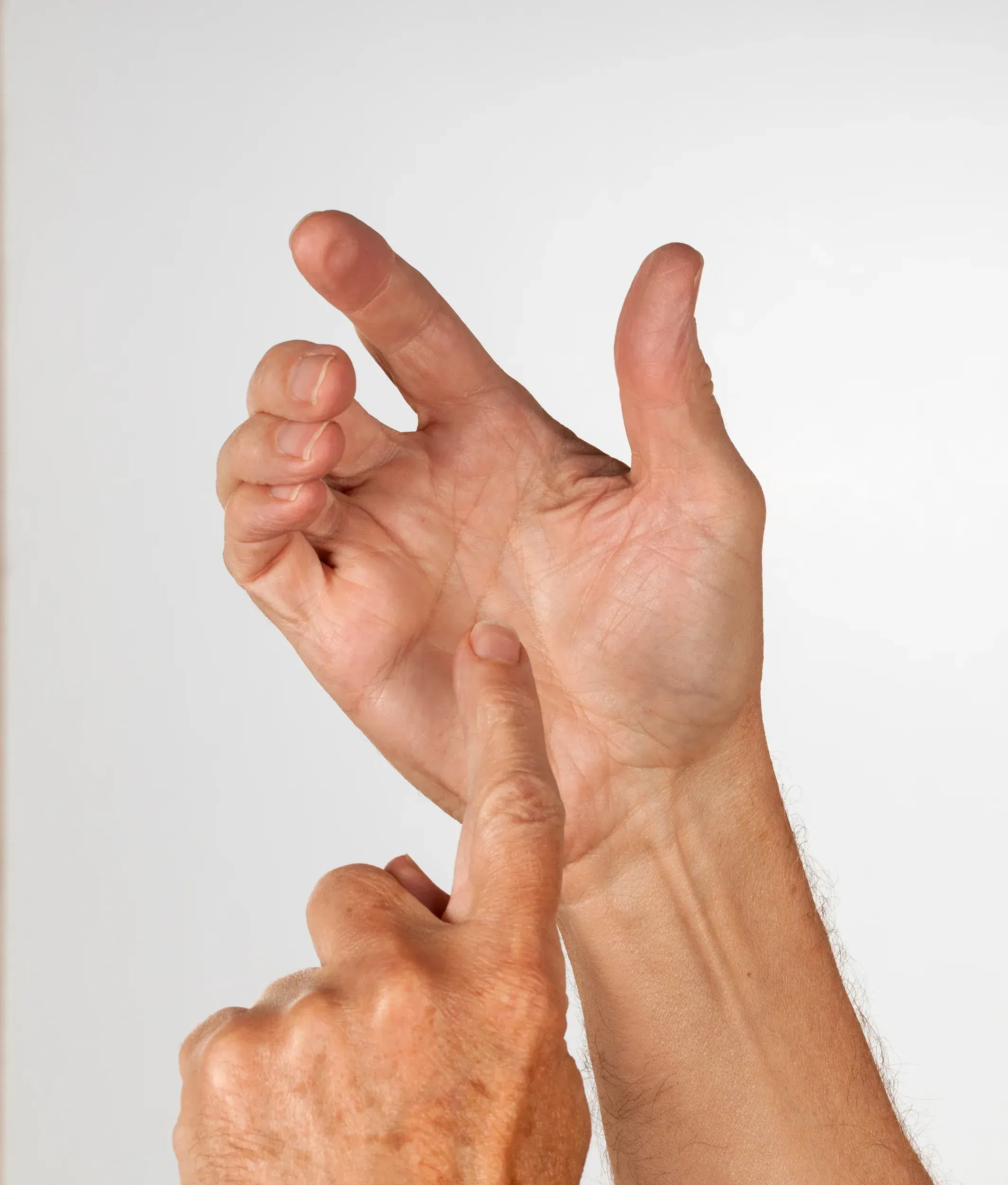
Signs You May Have Trigger Finger
- Catching or Snapping
- Locking in a Bent Position
- Tender Bump at the Base
- Morning Stiffness
- Pain with Gripping
- Loss of Smooth Motion
Frequently Asked Questions About Trigger Finger
01 What causes trigger finger?
Trigger finger is caused by inflammation and thickening of the flexor tendon and the A1 pulley at the base of the finger or thumb. Repetitive gripping, diabetes, rheumatoid arthritis, and prior hand injury are the most common contributing factors. Adults 40 to 60, especially women, are most often affected.
02 Can trigger finger resolve on its own?
Mild cases can improve with rest, activity changes, a night splint, and anti-inflammatory medication. However, if catching and locking persist for more than a few weeks, the tendon sheath continues to thicken and symptoms tend to worsen. Dr. Leo Chen recommends an evaluation if symptoms do not improve within 4 to 6 weeks of self-care.
03 What is the treatment for trigger finger?
Treatment at Emerald Coast Ortho starts with conservative measures: night splinting, modifying gripping activities, and a corticosteroid injection into the tendon sheath. A single steroid injection resolves symptoms in roughly 60 to 70 percent of patients. If symptoms return or do not improve, a quick trigger finger release procedure is highly effective.
04 Does trigger finger require surgery?
Most patients do not need surgery. Splinting and steroid injections resolve the majority of cases. Surgery is recommended when triggering persists despite injections, when the finger is locked, or in patients with diabetes whose response to injections is often limited. The release procedure is short and recovery is rapid.
05 How long is recovery after trigger finger release?
Most patients move the finger immediately after surgery and return to light activities within a few days. Full strength and a return to heavy gripping typically takes 2 to 6 weeks. Dr. Leo Chen provides specific aftercare instructions and a follow-up plan tailored to your job and activity level.
06 Is trigger finger the same as carpal tunnel syndrome?
No. Trigger finger affects the flexor tendon and causes catching, snapping, and locking of a specific finger or thumb. Carpal tunnel syndrome involves compression of the median nerve at the wrist and causes numbness, tingling, and weakness in the hand. The two conditions can occur together and both are evaluated and treated by Dr. Leo Chen.
Location339 NW Racetrack Rd, Suite 12
Fort Walton Beach, FL, 32547
Fort Walton Beach, FL, 32547
Emailfwbortho@gmail.com
Phone(850) 864-3339
Schedule Your Consultation
Scientific References
- PubMed (PMID: 21807156) - Systematic review confirms corticosteroid injection as effective first-line treatment for trigger finger in adults.
- PubMed (PMID: 18063587) - Open surgical release of the A1 pulley provides durable symptom resolution with low recurrence and complication rates.
- PubMed (PMID: 18984348) - Diabetes is an independent risk factor for trigger finger and predicts a reduced response to corticosteroid injection.
- PubMed (PMID: 19138509) - Prospective study supports stepwise care from splinting and injection to surgical release based on symptom persistence.