Consultation
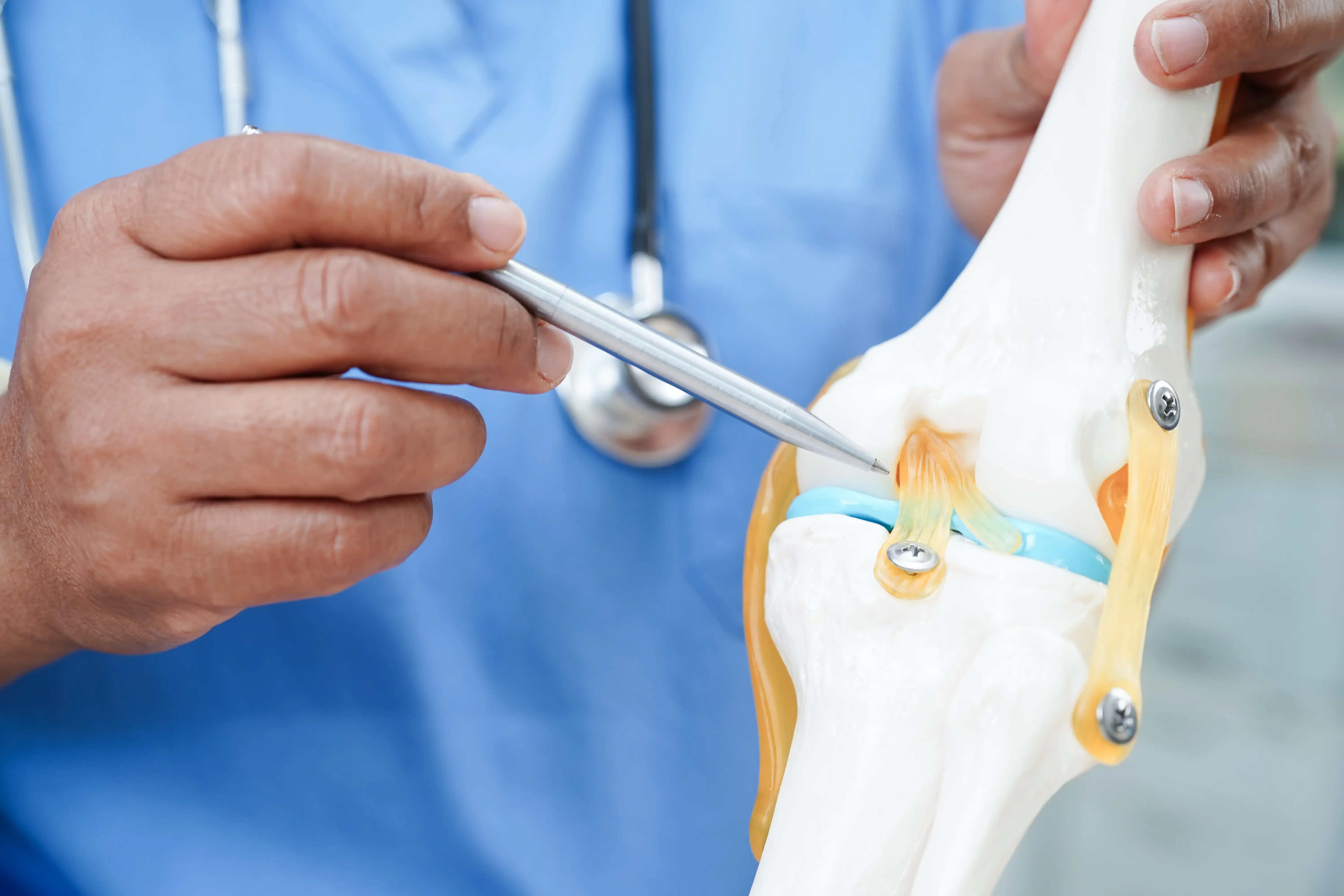
Dr. Leo Chen reviews your MRI, examines your knee, and discusses BPTB, hamstring, and quad tendon graft options.

Knee Arthroscopy Specialist
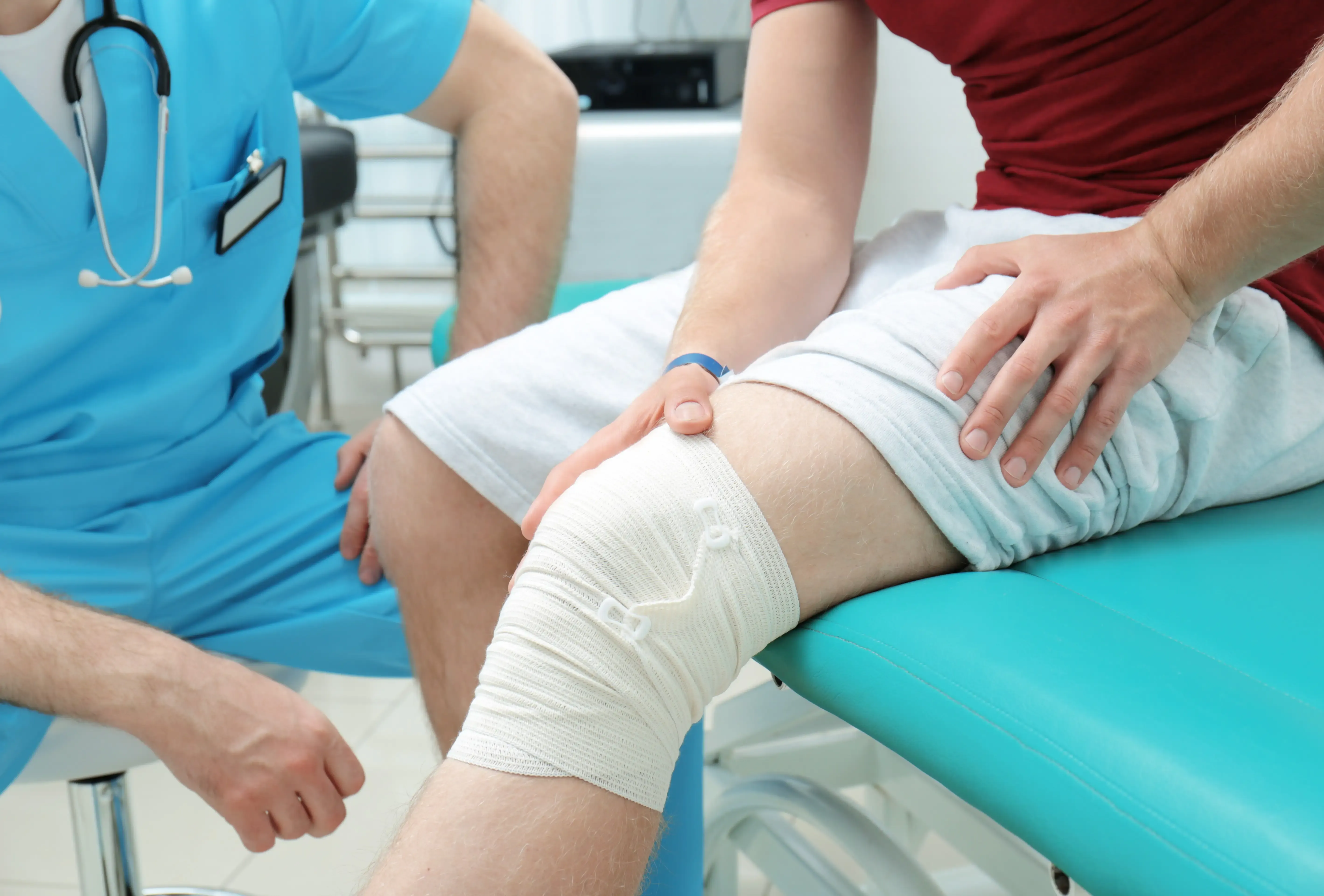
From sideline injury to surgery
A torn anterior cruciate ligament leaves the knee unstable. Patients report a popping sound at the moment of injury, immediate swelling, and the unsettling sense that the knee gives way during pivoting, cutting, or descending stairs. Without an intact ACL, athletes lose confidence on the field, weekend skiers cannot trust their knee on uneven terrain, and even routine activities feel unsafe. Left untreated, repeated instability events can damage the meniscus and articular cartilage, raising the long-term risk of osteoarthritis.
ACL reconstruction restores knee stability by replacing the torn ligament with a graft. Dr. Leo Chen performs the procedure arthroscopically through small incisions, harvesting tissue from the patellar tendon (BPTB), hamstring, or quadriceps tendon depending on the patient's sport, age, and prior injuries. The graft is anchored in precise bone tunnels and protects the meniscus and cartilage as a structured rehabilitation program rebuilds strength. Most patients return to cutting and pivoting sports within 9 to 12 months.
Arthroscopic Ligament Replacement
ACL reconstruction is an outpatient arthroscopic procedure that replaces a torn anterior cruciate ligament with a tendon graft. The ACL is one of four major knee ligaments and the primary restraint against forward translation and rotational instability of the tibia. Unlike many soft tissue injuries, a fully torn ACL cannot heal on its own because the ligament tissue retracts and the synovial fluid environment prevents reattachment.
Dr. Leo Chen uses a small camera (arthroscope) and instruments placed through several small portals around the knee. The torn ligament remnant is debrided, and bone tunnels are drilled in the femur and tibia along the native ACL footprint. A tendon graft is then threaded through the tunnels and fixed in place with interference screws, suspensory buttons, or other modern fixation devices.
Dr. Leo Chen discusses three primary autograft (your own tissue) options during consultation. The right choice depends on age, sport, body type, and prior injuries:
Allograft (donor tissue) may be appropriate for select older patients or revision procedures and is discussed individually. In skeletally immature patients, growth-plate-sparing techniques are used to protect future development.
Stability, sport, and joint protection
2000+ Satisfied patients






Eliminates giving-way episodes during pivoting and cutting.
Most athletes return to cutting sport within 9 to 12 months.
Reduces long-term risk of further joint damage and arthritis.
Same-day surgery, home recovery, no overnight hospital stay.
BPTB, hamstring, or quad tendon matched to your sport and goals.
Strong interference screws and suspensory buttons allow early rehab.
Compare your options
| Treatment | Mechanism | Time | Results | Duration | Downtime | Best For |
|---|---|---|---|---|---|---|
| ACL Reconstruction | Arthroscopic graft replaces torn ligament | 60 to 90 minutes | Restored stability, return to sport | Permanent if rehab is followed | 9 to 12 months to cutting sport | Active patients, athletes, recurrent instability |
| PRP Injections | Concentrated platelets reduce inflammation | 30 to 45 minutes | Symptom relief, no structural repair | Months, may require repeat | 1 to 3 days | Partial tears, adjunct to rehab, surgical bridge |
| Non-Operative Care | Bracing, physical therapy, activity modification | Ongoing sessions | Improved strength, residual instability common | Variable | None to minimal | Lower-demand patients, isolated partial tears |
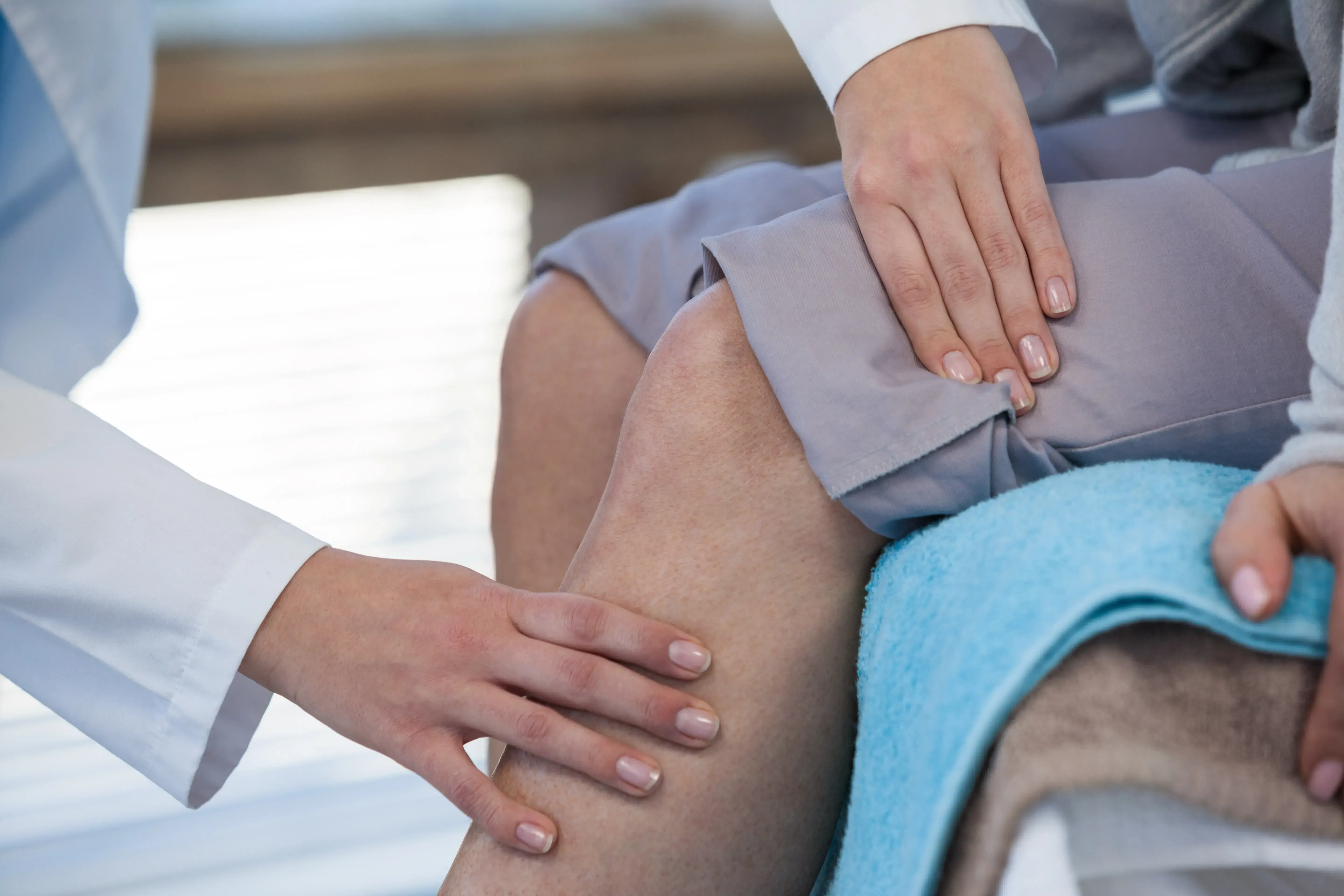
Active patients with instability
ACL reconstruction is most often recommended for patients whose torn ACL is causing functional instability or who plan to return to cutting, pivoting, or contact sports. The decision is shared between you and Dr. Leo Chen after a careful exam, imaging review, and discussion of your goals.
Dr. Leo Chen will review your imaging, examine your knee, and recommend the option that fits your anatomy, sport, and lifestyle.
Dr. Leo Chen reviews your MRI, examines your knee, and discusses BPTB, hamstring, and quad tendon graft options.
A physical therapy program restores motion and quad strength before surgery to improve outcomes.
Dr. Leo Chen performs outpatient arthroscopic reconstruction under general anesthesia with a regional nerve block.
Dr. Leo Chen anchors the chosen graft in precise bone tunnels using interference screws and suspensory fixation.
You leave the same day with a brace, crutches, and a phased rehabilitation protocol from Dr. Leo Chen's team.
Honest, clinical detail
Most patients have an uneventful recovery when they follow rehabilitation guidance. Contact our office promptly for fever over 101.5 degrees Fahrenheit, worsening calf pain, drainage from incisions, or sudden inability to bear weight.
ACL reconstruction is a medically necessary procedure for patients with a torn ACL and functional instability. It is almost always covered by commercial insurance, Medicare, Medicaid, and TRICARE when criteria are met. Out-of-pocket cost depends on your specific plan's deductible, coinsurance, and out-of-pocket maximum, as well as the surgical facility and graft type.
Emerald Coast Sports Medicine and Orthopaedics will verify your benefits and explain expected costs in writing before scheduling. Self-pay and bundled pricing options are available for patients without insurance coverage. For specifics, call (850) 864-3339 and our team will walk you through your estimate.
Fort Walton Beach, FL
Dr. Leo Chen completed dedicated sports medicine fellowship training.
BPTB, hamstring, and quad tendon, chosen for your sport and goals.
Same-day imaging at our Fort Walton Beach office to confirm diagnosis.
Surgery only when bracing, PT, and PRP have been carefully considered.
Consultations and post-op visits scheduled quickly so your recovery starts without delay.
Every patient leaves with a phased return-to-sport timeline matched to their sport and goals.
Answers from Dr. Leo Chen
Dr. Leo Chen offers three primary autografts: bone patellar tendon bone (BPTB), hamstring tendon, and quadriceps tendon. The choice depends on your sport, age, anatomy, and prior injuries, and is decided together at consultation.
Most patients use crutches for 1 to 2 weeks, wear a brace for 4 to 6 weeks, and follow structured physical therapy for 6 to 9 months. Full return to cutting sport typically occurs between 9 and 12 months after surgery.
Light jogging often begins around month 4 or 5. Sport-specific drills resume at 6 to 9 months. Clearance for cutting and contact sport happens at 9 to 12 months once objective strength and hop tests confirm readiness.
Not every ACL tear requires surgery. Active patients with instability or those returning to cutting sports usually benefit. Low-demand patients with minimal instability may do well with bracing and physical therapy. Dr. Leo Chen will help you decide.
Yes. ACL reconstruction is performed arthroscopically as an outpatient surgery. Most patients go home the same day with a brace, crutches, pain management plan, and rehabilitation instructions.
Modern reconstruction restores stability that allows return to sport for most patients. The new graft is strong, but disciplined rehabilitation and gradual return are essential to protect the graft and meniscus long term.