Imaging and Planning
Dr. Leo Chen reviews your digital X-rays, and a CT scan if needed, to map the fracture pattern and plan the approach.


Distal Radius Repair Care
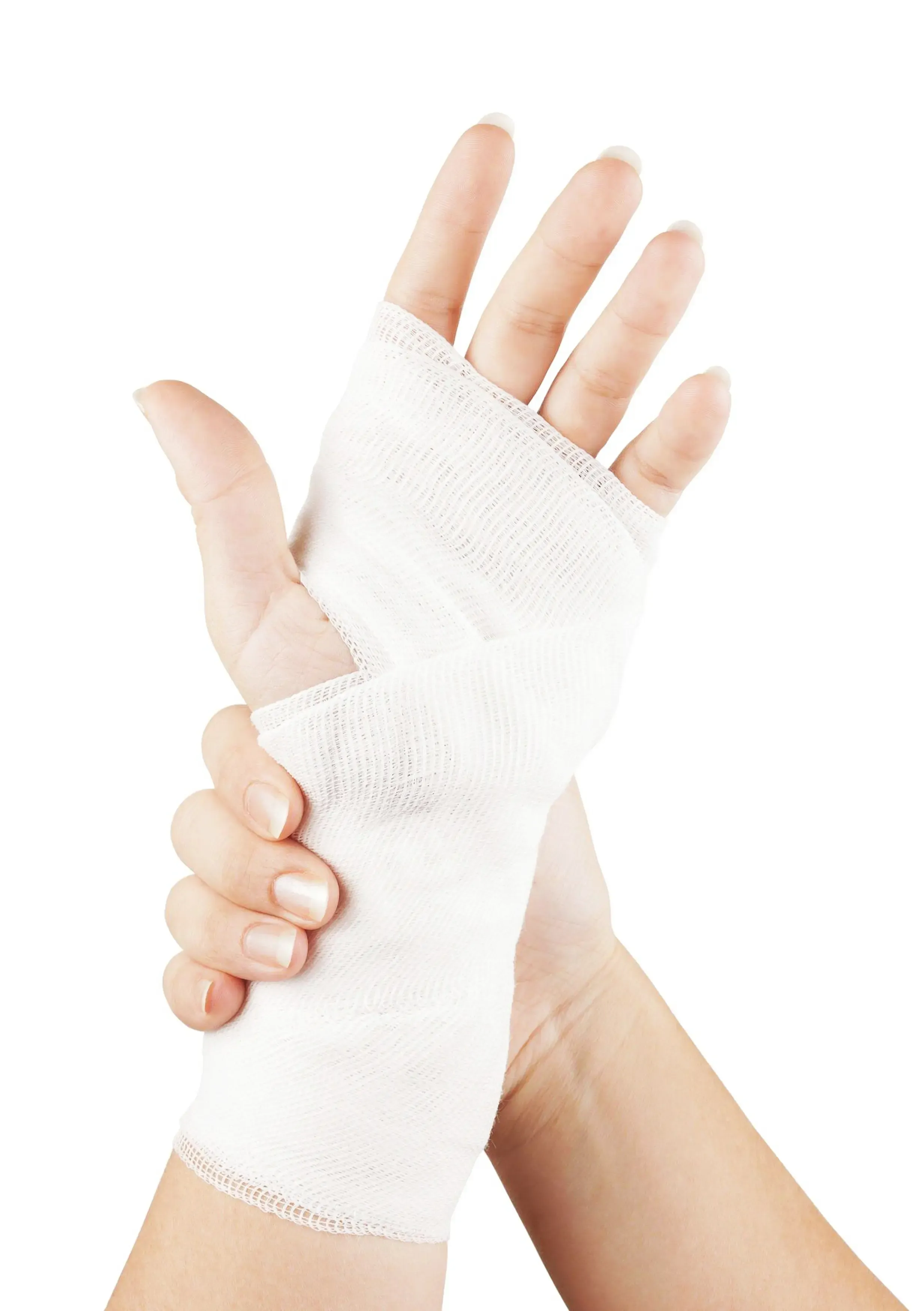
Surgical fracture care that works
A broken wrist often happens in a single moment: a fall onto an outstretched hand, a bike crash, a sports impact. The pain, swelling, and visible deformity tell you something is seriously wrong. Many people worry they will never grip, lift, or write the same way again. When a fracture is displaced, unstable, or involves the joint surface, leaving it alone (or treating it only with a cast) can lead to a crooked wrist, weakness, stiffness, arthritis, and long-term loss of function that affects work, hobbies, and daily life.
Wrist fracture surgery realigns broken bone fragments and holds them in the correct position while you heal. At Emerald Coast Ortho, Dr. Leo Chen uses open reduction internal fixation (ORIF) with a volar plate and screws, percutaneous pinning, or closed reduction with casting depending on your fracture pattern. The goal is anatomic alignment, early hand motion, and a return to the activities you love. With on-site digital X-ray and in-office DME, your imaging, surgical planning, and post-op bracing happen under one roof.
Anatomic repair of the distal radius
Wrist fracture surgery is the operative treatment of broken bones at or near the wrist, most commonly the distal radius (the end of the forearm bone). The two classic patterns are a Colles fracture, where the broken fragment tilts toward the back of the hand, and a Smith fracture, where it tilts toward the palm. Other patterns include intra-articular fractures (involving the joint surface), comminuted fractures (multiple fragments), and fractures of the scaphoid or ulnar styloid. Dr. Leo Chen reviews same-day digital X-rays in the office, and orders a CT scan when joint detail is needed, to choose the right surgical approach. For background on common patterns, see the AAOS overview of distal radius fractures.
The simplest option is closed reduction, where Dr. Leo Chen manipulates the bones back into position without an incision, then holds the alignment with a cast. When a fracture is unstable, displaced, intra-articular, or open (skin broken), surgery is usually recommended. Open reduction internal fixation (ORIF) with a volar locking plate is the modern standard for distal radius fractures: Dr. Leo Chen makes a small incision on the palm side of the wrist, restores anatomic alignment under direct vision, and secures the bone with a low-profile titanium plate and locking screws. The locking screws act like a fixed-angle internal scaffold, which is especially helpful in osteoporotic bone.
For some fracture patterns, especially in younger patients or simpler breaks, percutaneous pinning (Kirschner wires placed through the skin) gives stable fixation with smaller incisions. External fixation is reserved for severely comminuted or open fractures. Whichever method is used, the goal is the same: restore the length, alignment, and joint surface of the wrist so that grip strength, range of motion, and long-term function return as fully as possible. Many patients combine surgery with later wrist pain management and post-surgery recovery support.
What patients gain
2000+ Satisfied patients






Restores wrist length and joint surface for normal mechanics.
Volar plate fixation often allows finger and wrist motion within days.
Stable fixation supports faster grip and pinch strength recovery.
Reduces risk of a crooked wrist, stiffness, and post-traumatic arthritis.
Most patients go home the same day with regional anesthesia.
Clear milestones for cast removal, therapy, and return to sport.
Treatment options
| Treatment | Mechanism | Time | Results | Duration | Downtime | Best For |
|---|---|---|---|---|---|---|
| Wrist Fracture Surgery | ORIF with volar plate, pins, or closed reduction under anesthesia | 1 to 2 hour outpatient procedure | Anatomic alignment, early hand motion, durable strength | Permanent bony union with hardware in place | 6 to 12 weeks healing, light use in 1 to 2 weeks | Displaced, unstable, intra-articular, or open wrist fractures |
| Casting | Rigid plaster or fiberglass holds reduced bone fragments still | Cast applied in 20 to 30 minutes | Good union for stable, non-displaced fractures | 4 to 8 weeks of immobilization | Cast worn the entire healing period, no driving with right wrist | Stable, well-aligned fractures without joint involvement |
| Wrist Braces | Custom or off-the-shelf splint limits motion at the wrist | Fit in 10 to 15 minutes in office | Symptom control and protection during late healing | 2 to 6 weeks of wear, transition phase | Removable for showering and gentle motion | Minor fractures, sprains, and post-cast transition support |
| Non-Operative Care | Activity modification, ice, elevation, and serial X-ray monitoring | Office visits every 1 to 2 weeks | Acceptable healing for select hairline and buckle fractures | Until X-ray confirms union, typically 6 weeks | Modified hand use during healing, no heavy lifting | Stable hairline or pediatric buckle fractures with good alignment |

Honest, non-operative first guidance
Wrist fracture surgery is recommended when a broken wrist cannot heal in good alignment without operative help. Dr. Leo Chen reviews your X-rays, your activity goals, and your overall health before recommending surgery.
Some fractures are absolute surgical emergencies (open fractures, fractures with nerve or vascular injury, compartment syndrome). If you suspect a broken wrist, call (850) 864-3339 the same day.
Dr. Leo Chen reviews your digital X-rays, and a CT scan if needed, to map the fracture pattern and plan the approach.
An anesthesiologist places a regional nerve block, often with light sedation, so your arm is numb but you are comfortable.
Dr. Leo Chen restores anatomic alignment by closed manipulation or through a small volar incision under direct vision.
A volar locking plate with titanium screws, K-wires, or external fixation is placed to hold the fracture in position while it heals.
Bromley, our first assistant, applies a custom splint, Dr. Leo Chen reviews aftercare, and most patients go home within a few hours.
What to know
Wrist fracture surgery is a routine outpatient procedure with a strong safety record, but as with any operation it carries risks that Dr. Leo Chen will review with you before consenting.
Common, usually short-lived effects: swelling, bruising, surgical site soreness, temporary stiffness of the fingers and wrist, and mild numbness in the thumb or index finger that resolves as the nerve block wears off over 12 to 24 hours.
Less common risks: superficial wound infection, delayed bone healing, hardware-related discomfort over the volar plate, tendon irritation, and stiffness severe enough to require hand therapy.
Rare but serious risks: deep infection requiring further surgery, non-union or malunion of the fracture, injury to the median nerve including post-operative carpal tunnel syndrome.
Dr. Leo Chen monitors your healing with serial X-rays and clinical exams.
Call (850)864-3339 promptly for fever, spreading redness, drainage from the incision, severe new pain, numbness or color change in the fingers, or any concern about the cast or splint.
Wrist fracture surgery is a medically necessary procedure and is typically billed through your health insurance, Medicare, workers compensation, or auto/PIP insurance for accident-related injuries. There is no flat cash price because total cost depends on your specific insurance plan, deductible, co-insurance, the surgical facility used, the type of anesthesia, the implants required (volar plate vs pins), and whether hand therapy is needed afterward.
Typical billed components include:
Andrea, our patient services representative, will verify your insurance benefits, explain your estimated out-of-pocket cost, and review payment options before surgery is scheduled. We work hard to keep billing transparent and free of surprises.
For a personalized estimate, call Emerald Coast Sports Medicine and Orthopaedics at (850) 864-3339 or email fwbortho@gmail.com. Have your insurance card and any prior imaging available so we can give you an accurate quote.
Fort Walton Beach, FL
Dr. Leo Chen handles every case from first X-ray to final follow-up.
Same-day imaging by Jill Pierce, no outside referrals needed.
Custom casts, splints, and braces fit and adjusted on the spot.
Surgery only when alignment, stability, or function truly need it.
Wrist fracture treatment decisions are guided by what it takes to restore full grip strength, range of motion, and return to work or sport - not just achieving alignment on X-ray.
Wrist fracture surgery is covered under Tricare, Medicare, and most major commercial plans. Our team verifies benefits and handles prior authorization before your procedure is scheduled.
What patients ask most
No. Stable, well-aligned fractures often heal in a cast or brace. Surgery is recommended when the wrist is displaced, unstable, intra-articular, or open, or when alignment is lost in the cast.
Bone union typically takes 6 to 12 weeks. Light hand use returns within 1 to 2 weeks of surgery, functional grip by 8 to 12 weeks, and full sport or heavy labor between 3 and 6 months.
It is a break at the end of the forearm bone closest to the wrist. Colles fractures angle toward the back of the hand, Smith fractures angle toward the palm. It is the most common wrist fracture in adults.
Yes, and you should. Volar plate fixation is stable enough that Dr. Leo Chen encourages gentle finger motion within days of surgery to prevent stiffness and swelling while the bone heals.
Many patients benefit from hand therapy for 4 to 12 weeks to restore range of motion, grip strength, and dexterity. Dr. Leo Chen refers as needed based on your progress at follow-up visits.
Most volar plates stay in permanently with no issues. Hardware is only removed if it causes tendon irritation, pain, or restricts motion, usually no sooner than 6 to 12 months after surgery.