Evaluation
Dr. Leo Chen reviews your history, examines the limb, and orders on-site digital X-rays.

Same-day cast application
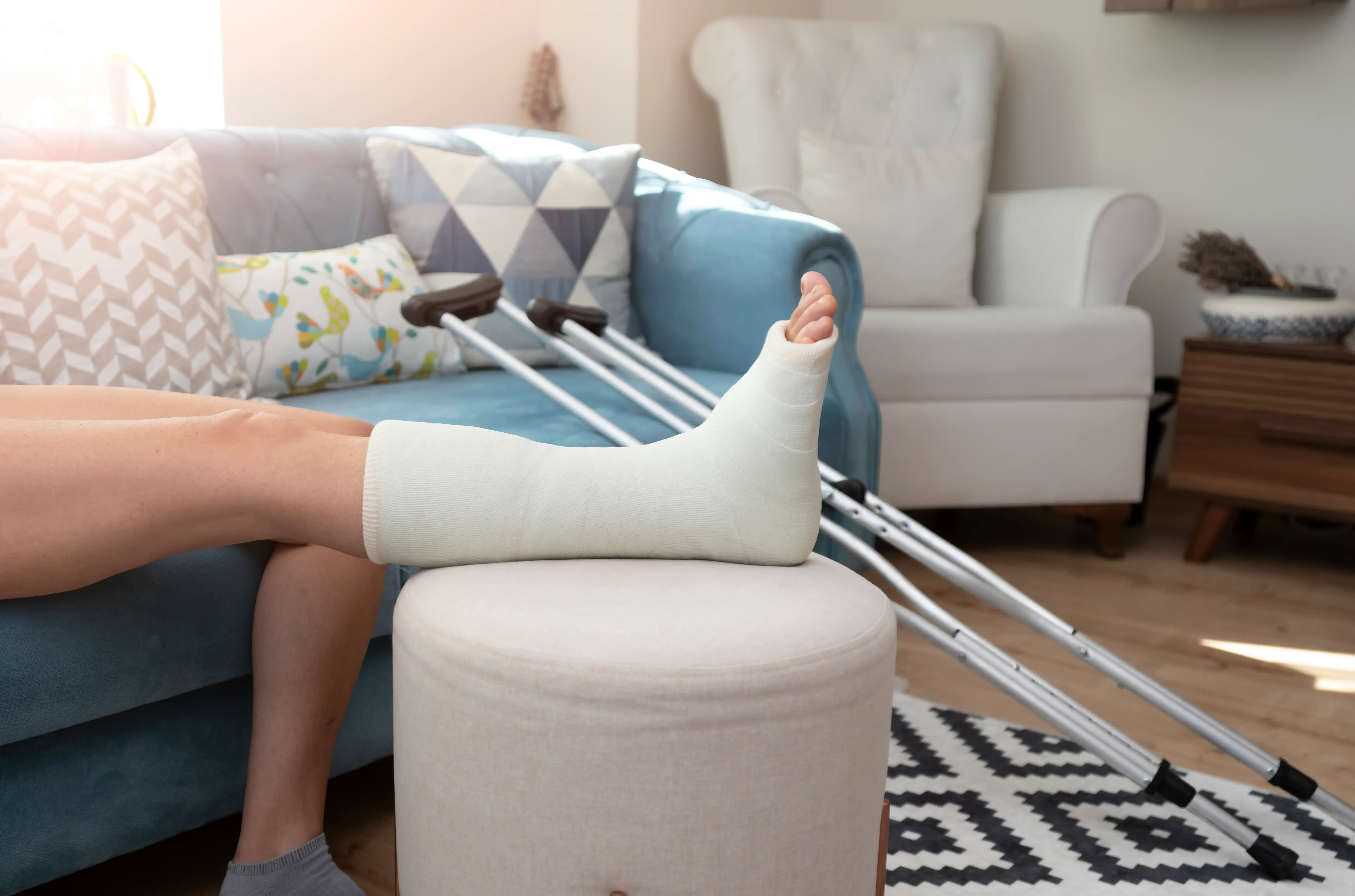
Stabilization that protects healing
A broken bone, sprain, or post-surgical limb that moves too much during healing can lead to delayed union, malunion, chronic pain, or stiffness. Many patients arrive at our Fort Walton Beach office after an urgent care visit or hospital emergency room where they received a temporary splint and were told to follow up with orthopedics within a few days. Without proper definitive immobilization, even a simple wrist or ankle fracture can shift, prolong recovery, or require surgery that could have been avoided with timely, well-fitted casting.
Casting at Emerald Coast Ortho gives the injured bone a rigid, custom-molded shell that holds alignment while the body lays down new bone. Dr. Leo Chen evaluates your fracture using on-site digital X-ray, then selects fiberglass or plaster, short-arm, long-arm, short-leg, or long-leg depending on the location and stability of the injury. The cast is applied the same day, in our office, so you leave with definitive treatment rather than another temporary fix. We monitor healing with follow-up X-rays and adjust the plan as the bone knits.
Rigid immobilization for healing bone
Orthopedic casting is the application of a hard, custom-molded shell around a fractured or post-surgical limb to restrict motion and protect alignment while bone, ligament, or tendon heals. At Emerald Coast Sports Medicine and Orthopaedics, Dr. Leo Chen and our clinical team apply casts in-office using either fiberglass or plaster, selected based on the injury location, weight-bearing requirements, expected healing time, and patient activity level.
Fiberglass casts are lighter, more durable, and water-resistant on the outside, making them the most common choice for both upper and lower extremity fractures. Plaster casts are heavier and slower to set but offer better molding for complex reductions, so they are still used when a precise contour matters more than weight. The choice is clinical, not cosmetic, and Dr. Leo Chen will explain why one material fits your situation better than the other.
Casts are categorized by the body region they cover. A short-arm cast extends from below the elbow to the hand and is used for stable wrist and lower forearm fractures. A long-arm cast extends above the elbow and is reserved for forearm fractures that need rotational control or unstable elbow injuries. A short-leg cast extends from below the knee to the foot for ankle and lower leg fractures, while a long-leg cast extends above the knee for tibial shaft and complex knee region injuries.
A splint differs from a cast in that it is rigid on one side only and held in place with an elastic wrap, allowing room for swelling. Splints are usually applied in the first 1 to 3 days after an acute injury, then converted to a cast once swelling subsides and a definitive shape can be molded. This staged approach reduces the risk of pressure sores and compartment-related complications.
Definitive same-day care
2000+ Satisfied patients






On-site X-ray and casting in one visit, no outside referral needed.
Cast contoured to your limb for stable alignment and comfort.
Fiberglass or plaster selected based on your specific fracture pattern.
Rigid immobilization reduces risk of displacement and malunion.
Non-operative first approach for fractures that can heal in a cast.
Dr. Leo Chen follows you from application through removal and rehab.
How options compare
| Treatment | Mechanism | Time | Results | Duration | Downtime | Best For |
|---|---|---|---|---|---|---|
| Casting | Rigid custom-molded shell | 15 to 30 min | Stable union | 3 to 8 weeks | Activity limits during wear | Displaced or unstable fractures |
| Walker Boots | Removable rigid boot | 5 to 10 min fitting | Protected weight-bearing | Weeks as directed | Minimal, removable for hygiene | Stable foot and ankle injuries |
| Wrist Braces | Semi-rigid splint with strap | 5 min fitting | Symptom relief | Worn as directed | Minimal, removable | Sprains, tendinopathy, mild stable injuries |
| Non-Operative Care | Rest, activity modification, PT | Varies | Functional recovery | Weeks to months | Activity changes only | Soft tissue injuries that do not need surgery |
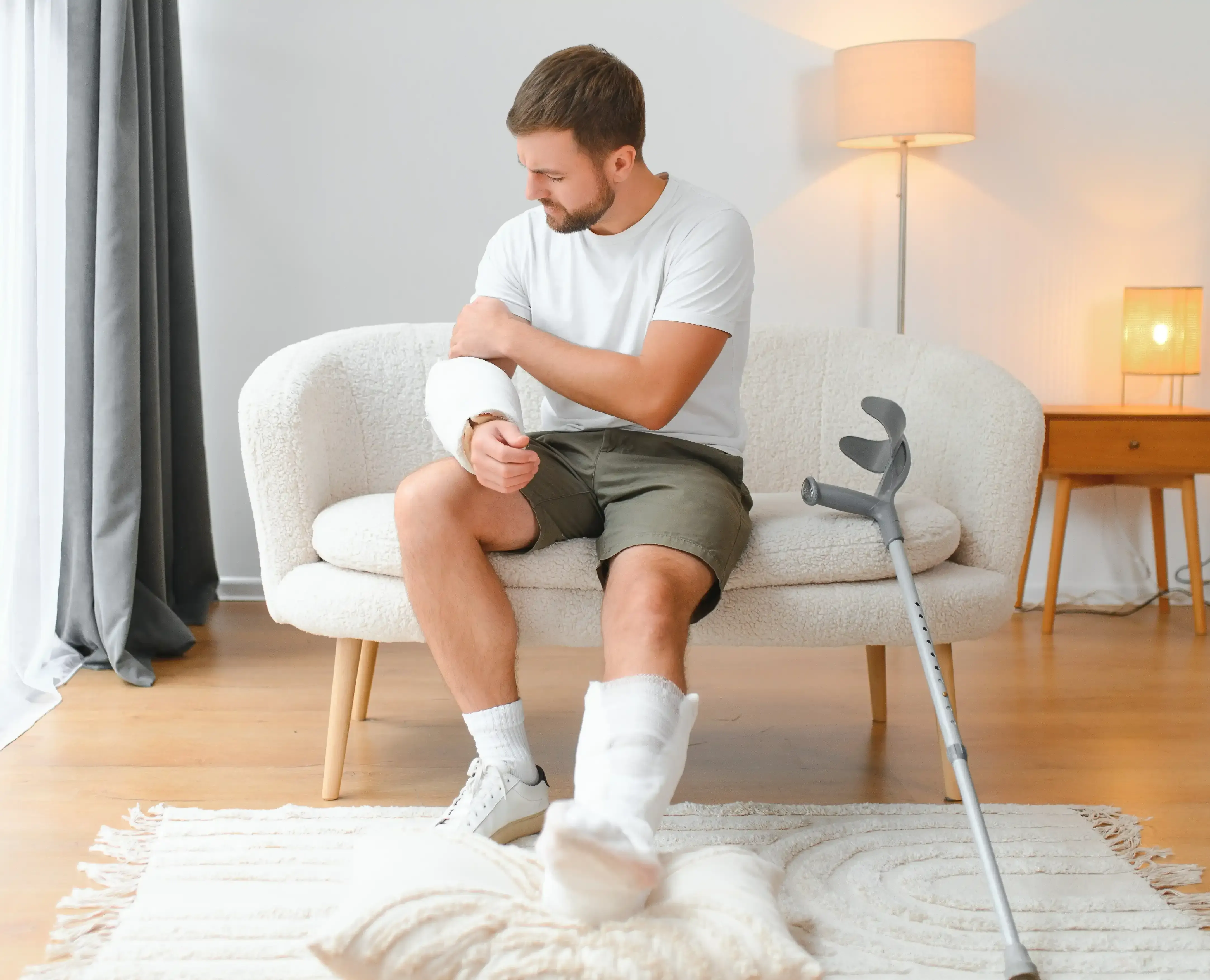
Right care for the right injury
Casting is the right choice for most stable, closed fractures and certain post-surgical limbs that need protected immobilization while bone heals. Candidacy depends on the location and pattern of the injury, the degree of displacement, and your overall health.
Dr. Leo Chen will review your X-ray and physical exam findings together with you before recommending casting, surgery, or another option. If casting is not appropriate, he will explain why and outline the next step.
Dr. Leo Chen reviews your history, examines the limb, and orders on-site digital X-rays.
If the fracture is displaced, Dr. Leo Chen performs a closed reduction to realign the bone.
A stockinette and cotton padding layer protects skin and bony prominences from pressure.
Dr. Leo Chen applies and molds fiberglass or plaster around the limb in the chosen short or long configuration.
A post-cast X-ray confirms alignment, then aftercare and follow-up are scheduled.
What to watch for
Casting is a low-risk, non-surgical procedure, but every immobilization carries a small set of potential issues that patients should know about.
Common, usually mild: Itching beneath the cast, muscle stiffness, mild atrophy of immobilized muscles, dry skin once the cast is removed, and temporary joint stiffness in the days to weeks after removal. These resolve with gentle motion and, if needed, a short course of physical therapy.
Less common: Pressure sores from inadequate padding or a cast that becomes too tight as swelling increases, mild skin irritation or rash, and superficial skin breakdown if the cast becomes wet.
Rare but serious: Compartment syndrome (severe, worsening pain not relieved by elevation, numbness, tightness, or change in color of fingers or toes), nerve compression, vascular compromise, deep vein thrombosis with lower-extremity casts, and loss of fracture reduction if the cast loosens.
Call our office at (850) 864-3339 immediately or go to an emergency room if you experience uncontrolled pain, numbness, tingling, color change, foul odor from the cast, or a fever that does not have another clear cause. Following weight-bearing instructions and keeping all follow-up appointments significantly reduces these risks.
Orthopedic casting is a medically necessary procedure and is typically covered by health insurance, Medicare, and most commercial plans when applied to treat a documented fracture or post-surgical limb. Your final out-of-pocket cost depends on your specific plan, deductible, co-insurance, and whether Emerald Coast Sports Medicine and Orthopaedics is in your network.
What is usually billed:
Insurance considerations: Some plans apply your deductible first, others have a flat co-pay for orthopedic visits. Worker's compensation and motor vehicle accident claims are billed differently. Our billing team can run a benefits check before your appointment if you call ahead.
Self-pay: If you do not have insurance or prefer to self-pay, we can provide a written estimate during your consultation that outlines the visit, cast application, supplies, and X-rays. We do not list a single sticker price because the correct cost depends on the cast type and number of follow-up visits.
For specific pricing or a benefits check, please call (850) 864-3339 or email fwbortho@gmail.com.
Fort Walton Beach, FL
Diplomate, American Board of Orthopaedic Surgery, fellowship-trained.
Same-day imaging confirms alignment before and during casting.
We exhaust conservative care before recommending surgery.
24 years serving Fort Walton Beach and Okaloosa County families.
Slings, walker boots, wrist braces, and knee braces also available at the same Fort Walton Beach office.
If casting is not enough, surgical fixation for fractures is available at the same practice with no referral needed.
Patient questions we hear most
We use both fiberglass and plaster casts in short-arm, long-arm, short-leg, and long-leg configurations. Dr. Leo Chen selects the material and length based on your specific fracture pattern, weight-bearing needs, and expected healing time.
Most upper extremity fractures heal in 4 to 6 weeks, and lower extremity fractures in 6 to 8 weeks, but the exact timeline depends on the bone involved, your age, and how well the fracture stays aligned. Dr. Leo Chen confirms healing with follow-up X-rays before removal.
Keep the cast clean and dry, never insert objects to scratch beneath it, elevate the limb during the first few days, and watch for increasing pain, numbness, tingling, color changes, or a bad odor. If anything concerns you, call (850) 864-3339.
A splint is rigid on one side only and held with an elastic wrap, allowing room for swelling. A cast is a fully rigid, custom-molded shell that surrounds the limb. Splints are often used first after an acute injury, then converted to a cast when swelling subsides.
Standard fiberglass and plaster casts should be kept dry. Cover the cast with a plastic bag or a cast cover for bathing. A wet cast can break down the padding, cause skin irritation, and lose its molded fit. Call our office if it gets soaked.
Yes. Emerald Coast Ortho is an in-office DME dispensing practice. After Dr. Leo Chen reviews your on-site X-ray and confirms casting is appropriate, your cast is applied during the same visit so you leave with definitive treatment.