
Most rotator cuff tears fall into one of two groups. Degenerative tears develop gradually as tendon tissue weakens with age, repeated overhead activity or impingement under the acromion bone. These are common in adults over 40 and may exist without obvious symptoms for years. Acute tears happen suddenly, often after falling on an outstretched arm, lifting heavy objects with a jerk, or a sports collision. Tears are also classified by depth: partial thickness tears involve only part of the tendon, while full thickness tears go completely through the tendon and may retract from the bone. Diabetes, smoking and family history can raise risk and slow healing.

Rotator Cuff Tear Treatment in Fort Walton Beach, FL
Board-certified orthopedic care for partial and full thickness tears, from non-operative therapy to surgical repair.
Common In:Adults 40+, overhead athletes and laborers
Causes:Age-related degeneration, repetitive overhead use, acute injury
Tear Types:Partial thickness or full thickness
Treatment Range:Conservative care to arthroscopic repair
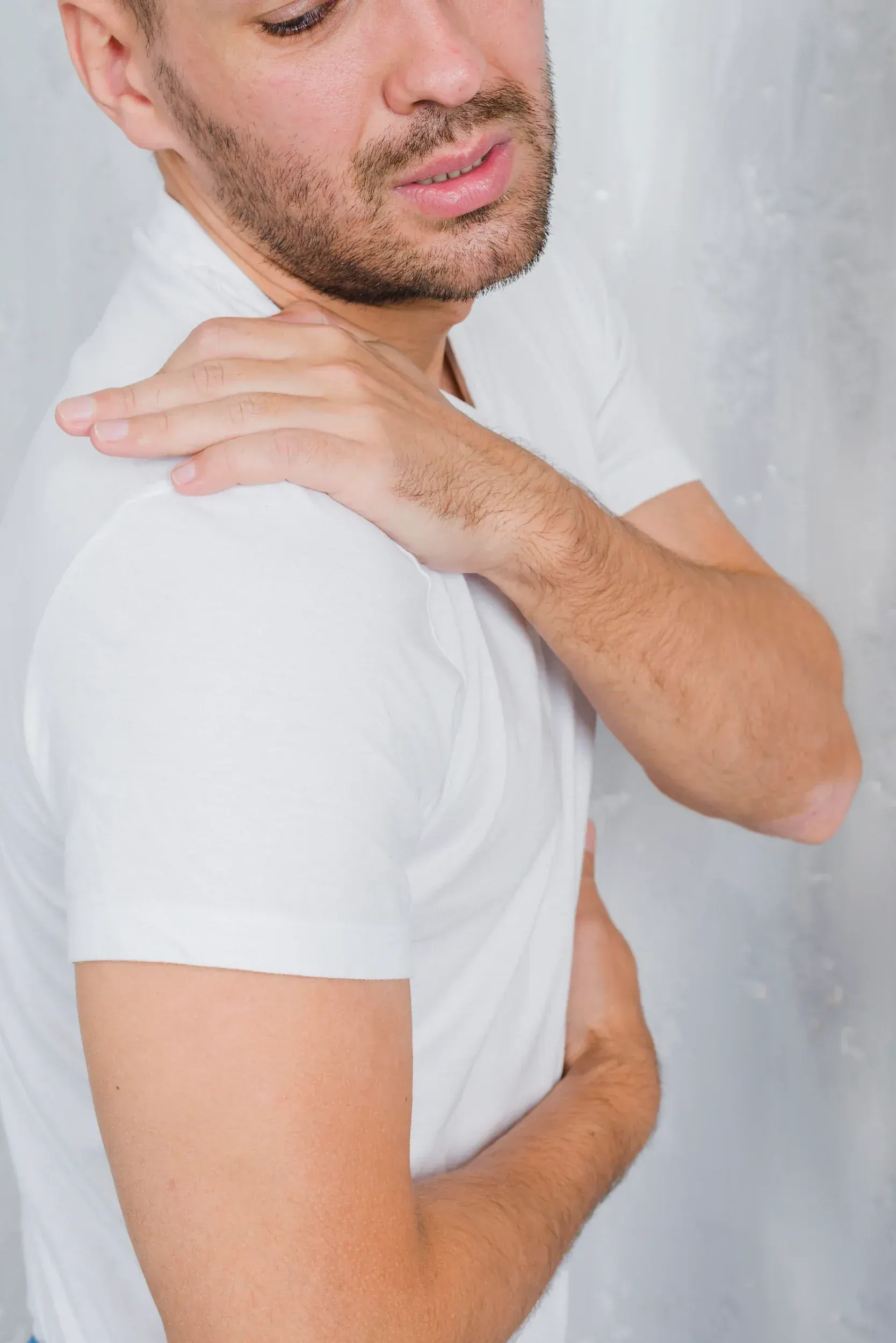
Rotator Cuff Tears in Fort Walton Beach, FL: Diagnosis, Conservative Treatment and Surgical Repair Options
A common cause of shoulder pain, weakness and limited motion.
The rotator cuff is a group of four muscles and tendons that stabilize the shoulder and lift the arm. A tear in any of these tendons (most often the supraspinatus) can cause shoulder pain, night pain, weakness and loss of motion. At Emerald Coast Sports Medicine and Orthopaedics, Dr. Leo Chen, board-certified orthopedic surgeon, evaluates and treats rotator cuff tears for patients across Fort Walton Beach, Niceville, Destin, Crestview, Mary Esther, Shalimar and surrounding Okaloosa County. We start with a non-operative first approach and reserve surgery for tears that warrant rotator cuff repair in Fort Walton Beach.
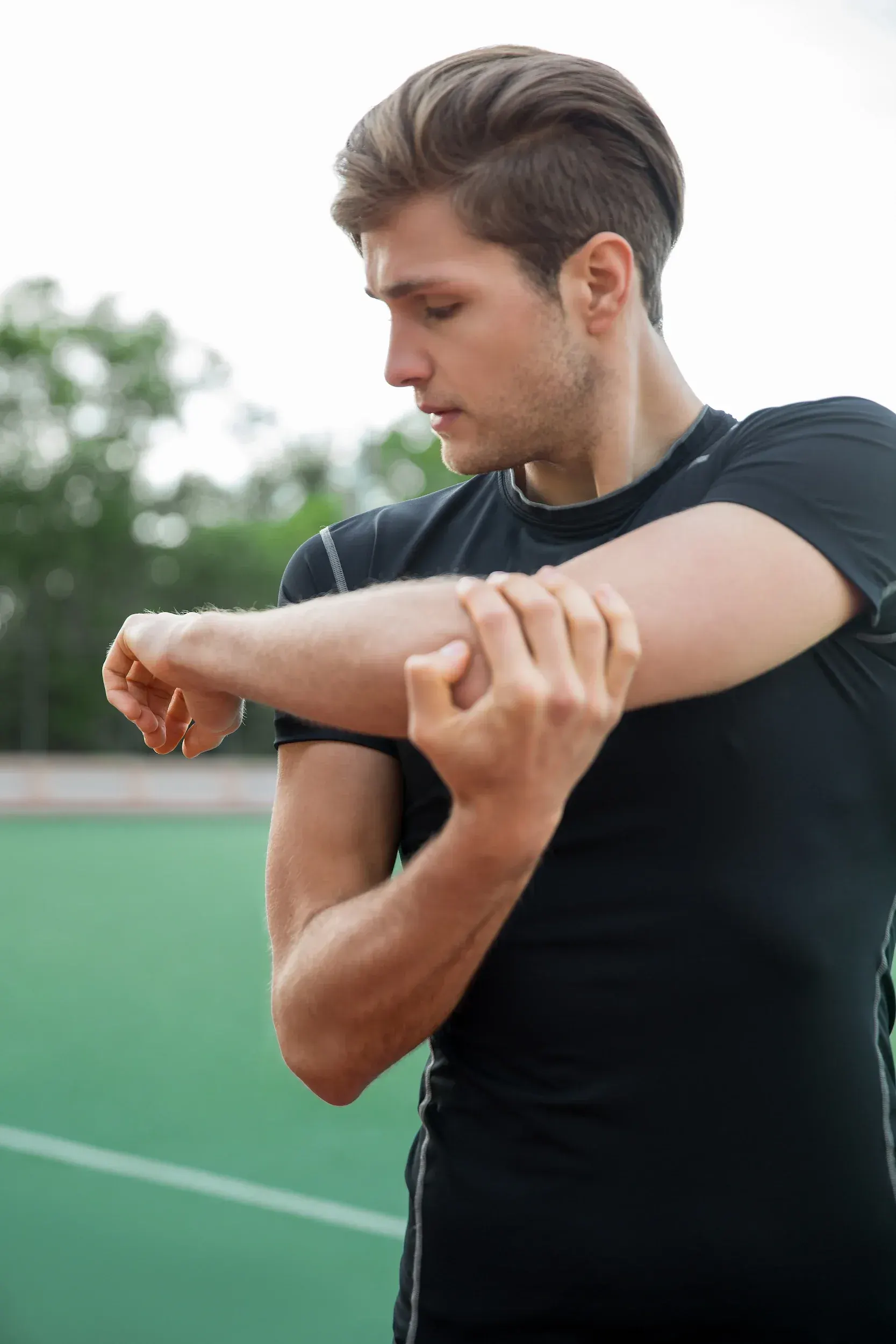
What Causes a Rotator Cuff Tear?
Two main pathways: wear and tear over time, or sudden injury.
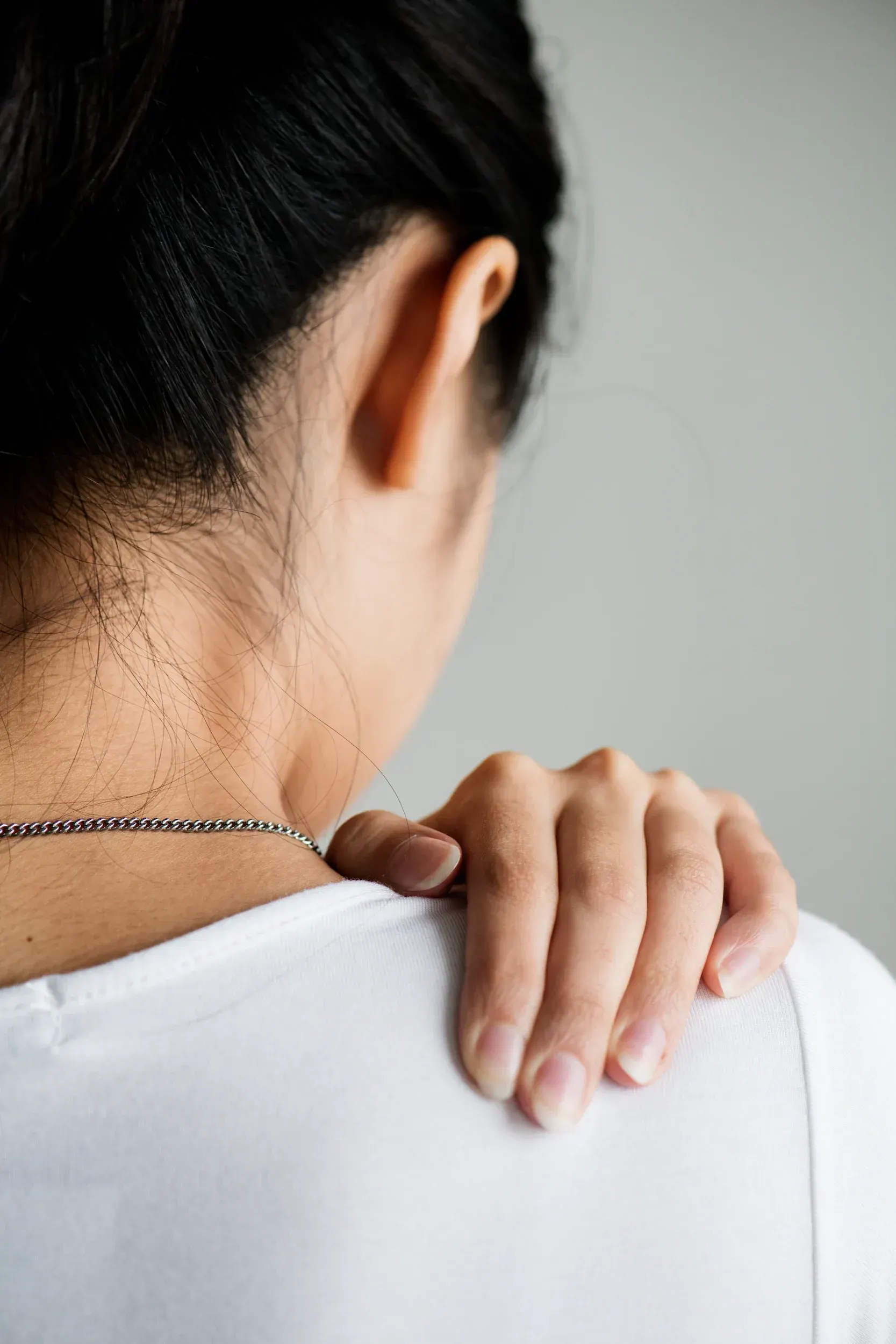
Partial vs Full Thickness Tears
Tear depth shapes the treatment plan.
Partial thickness tears damage only a portion of the tendon and often respond well to rest, physical therapy, anti-inflammatory medication and image-guided injections. Full thickness tears go all the way through the tendon and may continue to enlarge over time, especially if the patient is active or the tear is in a high-load tendon. Dr. Leo Chen uses examination findings, on-site digital X-ray and MRI to grade the tear and recommend either continued conservative care, PRP injections to support healing or arthroscopic surgical repair.
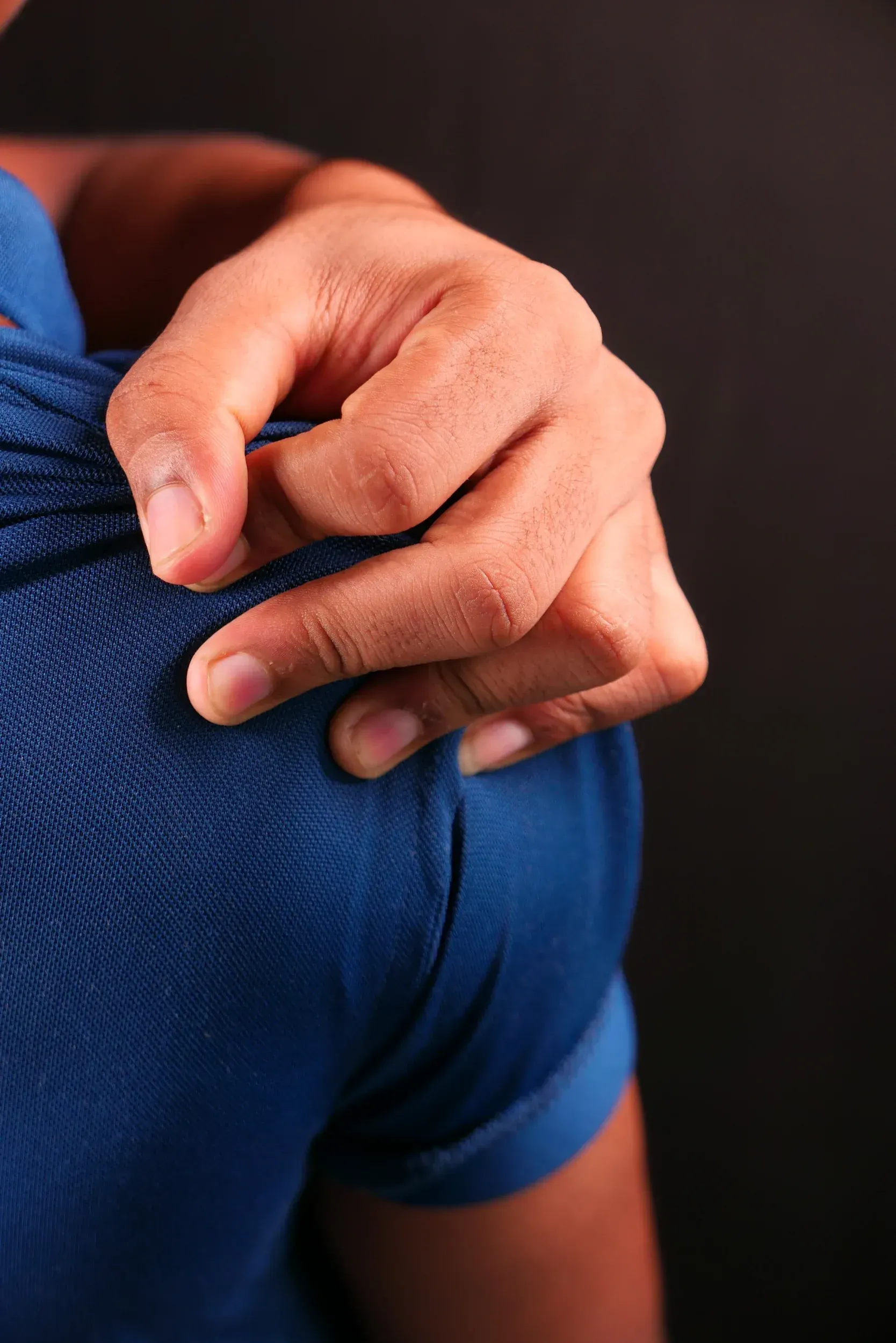
Why Choose Emerald Coast Ortho for Rotator Cuff Care in Fort Walton Beach, FL
Board-certified shoulder expertise, all under one roof.
- Board-Certified Surgeon
- Same-Day Imaging
- Non-Operative First
- Full Surgical Capability
- Recovery Support On-Site
Rotator Cuff Treatment Comparison
| Treatment | Best For | Session Time | Results Timeline | Maintenance |
|---|---|---|---|---|
| Rotator Cuff Repair | Full thickness tears, failed conservative care, active patients | 1 to 2 hours (arthroscopic) | 4 to 6 months for full strength | Physical therapy, activity modification |
| PRP Injections | Partial thickness tears, tendinopathy, early degeneration | 30 to 45 minutes | 6 to 12 weeks for pain relief | 1 to 3 injection series, may repeat annually |
| Total Shoulder Replacement | Massive irreparable tears with cuff arthropathy | 1.5 to 2.5 hours | 4 to 6 months for daily function | Lifetime activity guidelines, periodic follow-up |
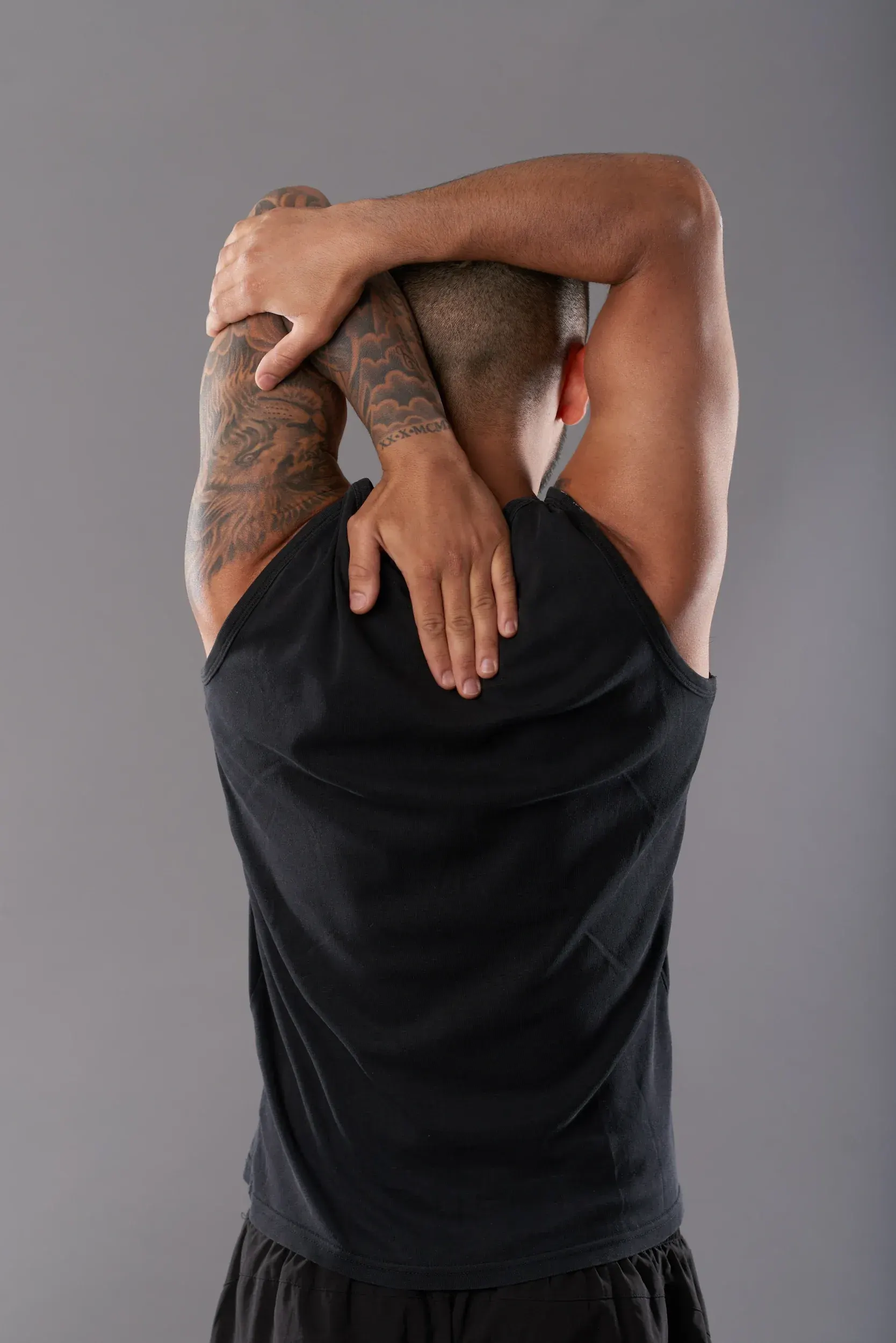
Signs You May Have a Rotator Cuff Tear
Recognize the symptoms early so treatment can begin.
- Night Pain
- Weakness Lifting the Arm
- Loss of Motion
- Cracking or Popping
- Pain With Overhead Activity
- Sudden Weakness After Injury
Rotator Cuff Tear FAQs
01 How do I know if I have a rotator cuff tear?
Common signs include shoulder pain that wakes you at night, weakness lifting the arm overhead, popping or cracking with motion, and difficulty reaching behind your back. Dr. Leo Chen confirms the diagnosis with a clinical exam, same-day digital X-ray and (when needed) MRI.
02 Do all rotator cuff tears need surgery?
No. Many partial thickness tears and some full thickness tears in lower-demand patients respond well to physical therapy, anti-inflammatory medication, corticosteroid or PRP injections, and activity changes. Surgery is typically reserved for full thickness tears in active patients, acute tears in younger patients, or tears that fail several months of conservative care.
03 What is the difference between partial and full thickness tears?
A partial thickness tear damages only part of the tendon thickness, while a full thickness tear goes completely through the tendon and may separate from its attachment on the humerus bone. Partial tears more often respond to non-surgical care, while full thickness tears can enlarge over time and frequently require arthroscopic repair.
04 How long does a rotator cuff tear take to heal?
Conservative treatment usually takes 6 to 12 weeks to relieve pain and restore strength. After surgical repair, the tendon takes about 12 weeks to heal to the bone, with full strength returning over 4 to 6 months of structured physical therapy.
05 What happens if I leave a rotator cuff tear untreated?
Some degenerative tears stay stable, but many enlarge over time, especially with continued activity. Untreated full thickness tears can lead to muscle atrophy, tendon retraction and eventually cuff tear arthropathy, which is harder to repair and may ultimately require total shoulder replacement.
06 Can PRP injections help my rotator cuff tear?
PRP (platelet-rich plasma) injections can support healing in partial thickness tears, rotator cuff tendinopathy and early degenerative tears by delivering concentrated growth factors to the injured tendon. Dr. Leo Chen will review imaging and tear pattern to determine whether PRP is appropriate for your case.
Location339 NW Racetrack Rd, Suite 12
Fort Walton Beach, FL, 32547
Fort Walton Beach, FL, 32547
Emailfwbortho@gmail.com
Phone(850) 864-3339
Schedule Your Consultation
Scientific References
- PubMed (PMID: 31125872) - Rotator cuff tear prevalence rises sharply with age, affecting more than 50 percent of adults over 60 in cadaveric and imaging studies.
- PubMed (PMID: 28734066) - Arthroscopic rotator cuff repair produces high rates of pain relief and functional return in full thickness tears, with healing rates dependent on tear size and patient age.
- PubMed (PMID: 30340027) - Platelet-rich plasma injections show benefit in partial thickness rotator cuff tears and tendinopathy by improving pain scores and tendon healing on imaging.
- American Academy of Orthopaedic Surgeons (AAOS) - Rotator Cuff Tears clinical guideline and patient resource, OrthoInfo.