Evaluation
Dr. Leo Chen reviews wound history, measures size and depth, and orders on-site digital X-ray if bone involvement is suspected.

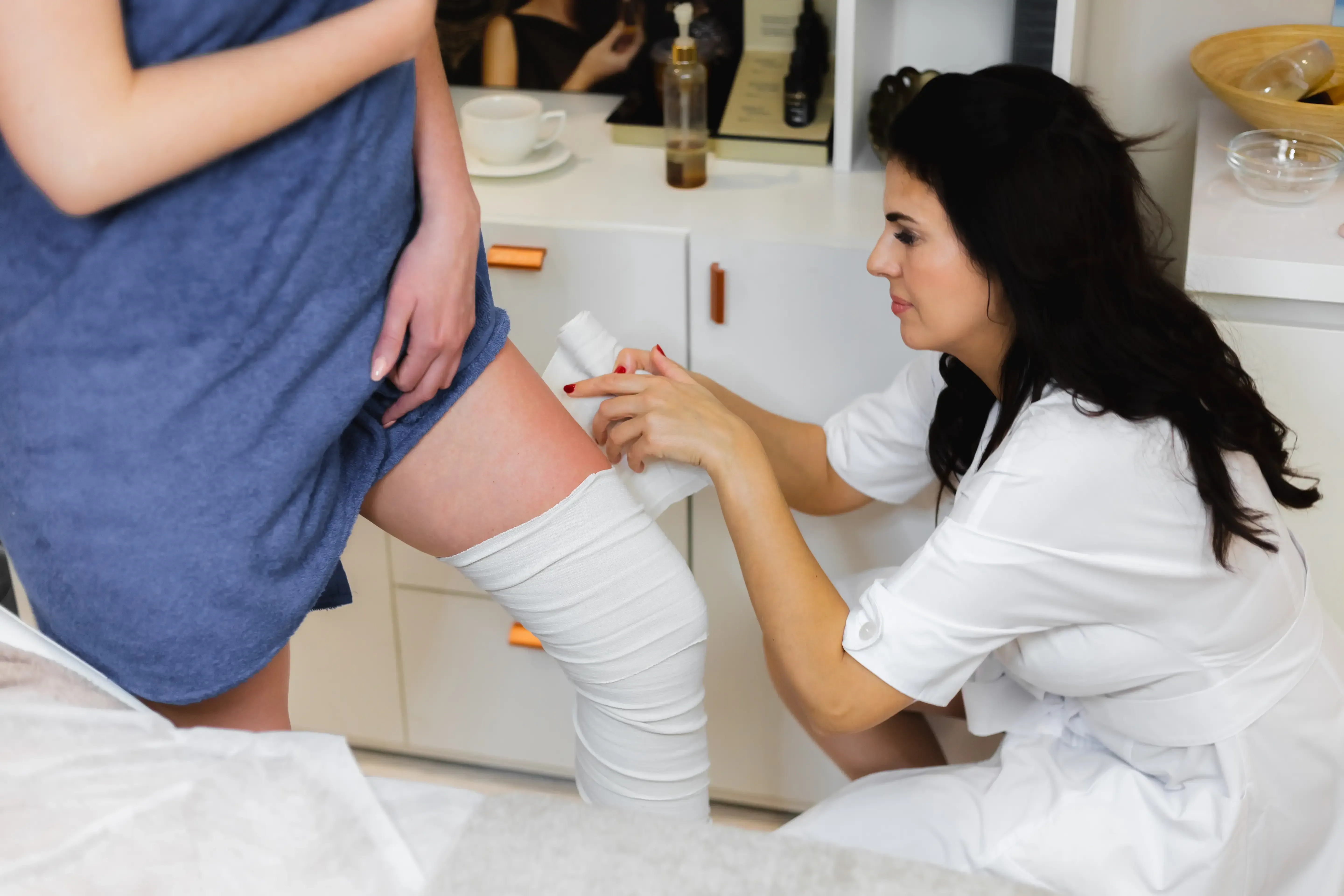
Complex Extremity Wound Management
From stalled healing to durable closure
Non-healing wounds on the arms, hands, legs, and feet often arrive after surgery, trauma, prolonged pressure, or chronic swelling. Patients describe persistent drainage, foul odor, exposed deeper tissue, or a wound that has not closed after weeks of home dressings. Diabetes, vascular disease, lymphedema, immobility, and previous orthopedic hardware all slow healing. Without focused care, these wounds can deepen into bone, become infected, and lead to permanent function loss, hospital admission, or even amputation if ignored.
Wound care at Emerald Coast Ortho combines in-office evaluation with surgical debridement when needed. Dr. Leo Chen assesses tissue depth, perfusion, and infection risk, then removes devitalized tissue, manages bacterial load, selects the right dressing, and offloads pressure. For deeper wounds, he can perform formal surgical debridement, revision of post-surgical wound complications, and treatment of pressure sores or lymphedema-related ulcers, all coordinated by one board-certified orthopedic surgeon.
In-Office and Surgical Management
Wound care is the structured medical management of acute and chronic wounds so they progress through the normal phases of healing (inflammation, proliferation, and remodeling) instead of stalling in a non-healing state. At Emerald Coast Ortho, wound care covers the full spectrum, from in-office dressing changes for a slow healing surgical incision to operating room debridement of a deep pressure sore or lymphedema-related ulcer.
In-office wound care typically includes cleansing the wound, gentle sharp or enzymatic debridement of dead tissue at the bedside, infection assessment, selection of an appropriate dressing (alginate, foam, hydrocolloid, antimicrobial, or negative pressure wound therapy when indicated), and education on home care and offloading. Patients return on a weekly or biweekly schedule so Dr. Leo Chen can track measurable progress in size, depth, and tissue quality.
Surgical wound management is reserved for wounds that need more than bedside care. This includes formal surgical debridement under anesthesia for deep or heavily contaminated wounds, revision of post-surgical wound complications such as dehiscence or infected hardware sites, excision of chronic pressure sores down to viable tissue, and treatment of lymphedema-related skin breakdown. When implants are involved, Dr. Leo Chen, a board-certified orthopedic surgeon, can address the wound and the underlying orthopedic problem in the same setting.
Throughout the process, patients use on-site digital X-ray when needed to rule out osteomyelitis or hardware involvement, and dressings, supplies, and offloading devices are dispensed in-office whenever possible to simplify care. As an independent practice with a non-operative first approach, surgery is recommended only when in-office wound care alone cannot close the wound safely.
One surgeon, one plan
2000+ Satisfied patients






Dr. Leo Chen oversees every visit, debridement, and surgical step personally.
Most wound care happens in one visit, no separate wound center referral.
Same surgeon can take the wound to the OR for deeper debridement.
Same-day imaging to assess bone involvement and hardware integrity.
Boots, braces, and offloading devices are issued at the visit.
One care team manages the wound and the underlying orthopedic issue.
Compare your options
| Treatment | Mechanism | Time | Results | Duration | Downtime | Best For |
|---|---|---|---|---|---|---|
| Wound Care | In-office and surgical debridement, dressing selection, offloading, and infection control | 20 to 45 minutes per visit | Progressive wound closure and lower infection risk | Weeks to a few months until fully closed | Light activity same day, more after surgical debridement | Non-healing, deep, infected, post-surgical, pressure, and lymphedema-related wounds |
| Non-Operative Care | Activity modification, bracing, oral medication, and basic dressings without active debridement | 15 to 30 minutes per visit | Symptom support and limb protection, limited effect on deep wounds | Ongoing as needed | Minimal | Clean, superficial wounds and adjunctive care alongside active wound management |
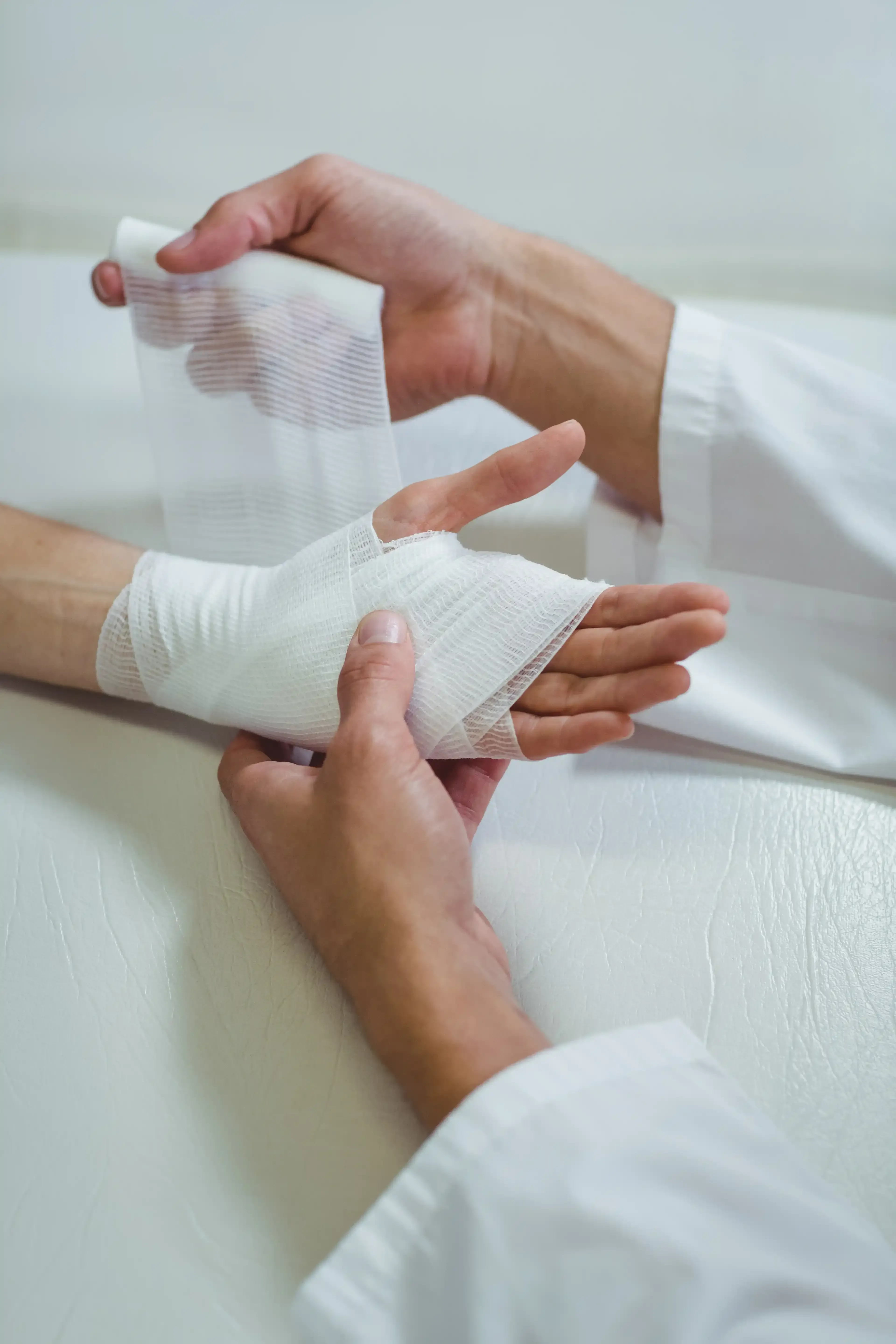
Right care for the right wound
Wound care at Emerald Coast Ortho is built for patients with complex extremity wounds that are not progressing with home care alone. Dr. Leo Chen will evaluate the wound, surrounding skin, perfusion, and any orthopedic hardware before recommending an in-office or surgical plan.
Patients with severe acute infection or unstable medical conditions should be seen in an emergency setting first, then transitioned to outpatient wound care once stable.
Dr. Leo Chen reviews wound history, measures size and depth, and orders on-site digital X-ray if bone involvement is suspected.
Dr. Leo Chen cleans the wound and uses sharp or enzymatic debridement to remove devitalized tissue at the bedside.
Dr. Leo Chen chooses the dressing (alginate, foam, antimicrobial, or negative pressure) based on drainage and tissue type.
Boots, braces, or padding are dispensed in-office to protect the wound between visits.
If bedside care is not enough, Dr. Leo Chen schedules formal surgical debridement or wound revision.
What to know
Wound care is generally low risk, but every wound and every debridement carries some side effects and risks. Knowing what is normal helps patients call promptly if something is not.
Common, expected side effects include mild discomfort or stinging during cleansing and debridement, light bleeding from healthy tissue after sharp debridement, transient increase in drainage as dead tissue is removed, and skin irritation from adhesives or specific dressings. These typically resolve within 24 to 48 hours and rarely change the treatment plan.
Uncommon side effects include allergic reaction to topical agents or dressing materials, maceration of surrounding skin from excess moisture, and delayed bleeding.
Rare but more serious risks include worsening or new infection (cellulitis, abscess, or osteomyelitis).
Patients should call Emerald Coast Orthoat (850) 864-3339 right away for spreading redness, increasing pain, fever, foul odor, or sudden heavy drainage. Strict adherence to the dressing schedule, offloading plan, and follow up visits is the most reliable way to keep risks low and healing on track.
Wound care at Emerald Coast Ortho is a medically necessary service and is typically billed through health insurance, including most commercial plans, Medicare, and many Medicare Advantage plans. The total cost depends on wound complexity, whether care is performed in-office or in an operating room, how many debridement sessions are needed, the type of dressings used, and whether on-site digital X-ray or DME (boots, braces, padding) is dispensed.
For in-office wound care, charges generally include the office visit, debridement (when performed), dressing supplies, and any imaging done that day. Patients pay their plan's copay, coinsurance, or remaining deductible at the time of service. Some advanced dressings and negative pressure wound therapy devices may require prior authorization, and the Emerald Coast Ortho team helps coordinate that paperwork with each insurer.
For surgical wound management performed in an outpatient operating room (formal debridement under anesthesia, revision of post-surgical wounds, or treatment of deep pressure sores), patients receive separate bills for the surgeon, the facility, and anesthesia. Most patients meet annual deductibles and out of pocket maximums quickly when surgery is involved, so it is helpful to call your insurer to confirm benefits before scheduling.
Self-pay options are available for patients without insurance or who prefer to pay directly. Because every wound is different, the most accurate cost estimate happens after Dr. Leo Chen has examined the wound and decided whether ongoing in-office care or surgical debridement is needed. Call (850) 864-3339 to verify insurance coverage, ask about self-pay rates, and schedule an evaluation.
Fort Walton Beach, FL
Dr. Leo Chen evaluates the wound and performs any debridement personally.
From bedside dressings to operative debridement, all in one practice.
Surgical wound management is offered only when bedside care is not enough.
Digital X-ray and offloading devices are available at the visit.
Wound care at Emerald Coast Ortho is evaluated within a full orthopedic context - bone involvement, hardware, and joint proximity are all considered in the treatment plan, not just the wound surface
Wound care visits and surgical debridement are covered under Medicare, Tricare, and most major commercial plans - important for Fort Walton Beach's senior and active military community.
Wound care answers
Emerald Coast Ortho treats complex extremity wounds, including non-healing surgical wounds, post-surgical wound complications, pressure sores, lymphedema-related wounds, diabetic lower extremity ulcers, and traumatic soft tissue wounds on the arms, hands, legs, and feet.
Surgical wound debridement is the removal of dead, infected, or contaminated tissue from a wound, performed in an operating room under anesthesia. Dr. Leo Chen uses it for deeper wounds, infected hardware sites, or pressure sores that cannot be cleaned safely in the office.
Yes. Dr. Leo Chen manages post-surgical wound complications, including dehiscence, persistent drainage, suspected hardware infection, and stalled healing after orthopedic or other surgical procedures, with in-office care or revision surgery when needed.
Yes. Emerald Coast Ortho evaluates and treats pressure sores on the heel, sacrum, elbow, and hip, combining in-office debridement and dressings with surgical debridement and offloading devices for deeper or stalled ulcers.
Most patients are seen every 7 to 14 days. Dr. Leo Chen adjusts the schedule based on drainage, tissue quality, and how quickly the wound is closing, with more frequent visits early on and longer intervals as healing progresses.
Wound care is typically a covered, medically necessary service through commercial insurance, Medicare, and many Medicare Advantage plans. Patients pay any applicable copay, coinsurance, or deductible. Call (850) 864-3339 to confirm benefits before scheduling.