Evaluation
Dr. Leo Chen reviews your history, exam findings and any prior imaging to confirm PRP is the right fit.

Regenerative Healing
When pain limits movement
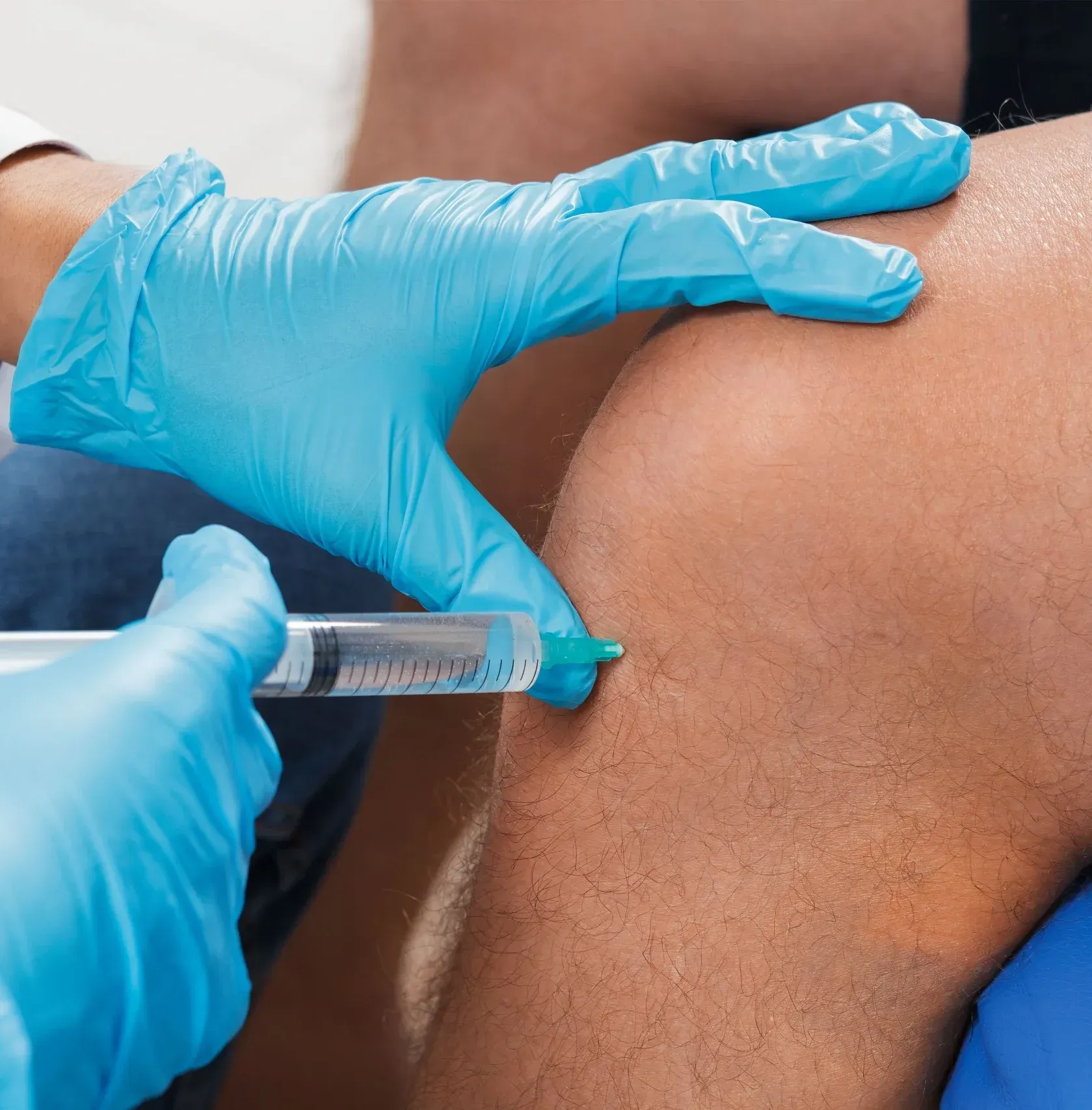
Knee osteoarthritis, rotator cuff tendinopathy, tennis elbow and other chronic soft tissue injuries can disrupt sleep, work and weekend activities. Many patients have tried rest, anti-inflammatories, physical therapy and corticosteroid injections without lasting relief. Cortisone may calm a flare, but it does not heal underlying tissue and repeated shots can weaken cartilage and tendon over time. Surgery is sometimes appropriate, but it carries risk, time off and a long rehab. People in their 40s, 50s and 60s often want a middle option that supports actual tissue repair.
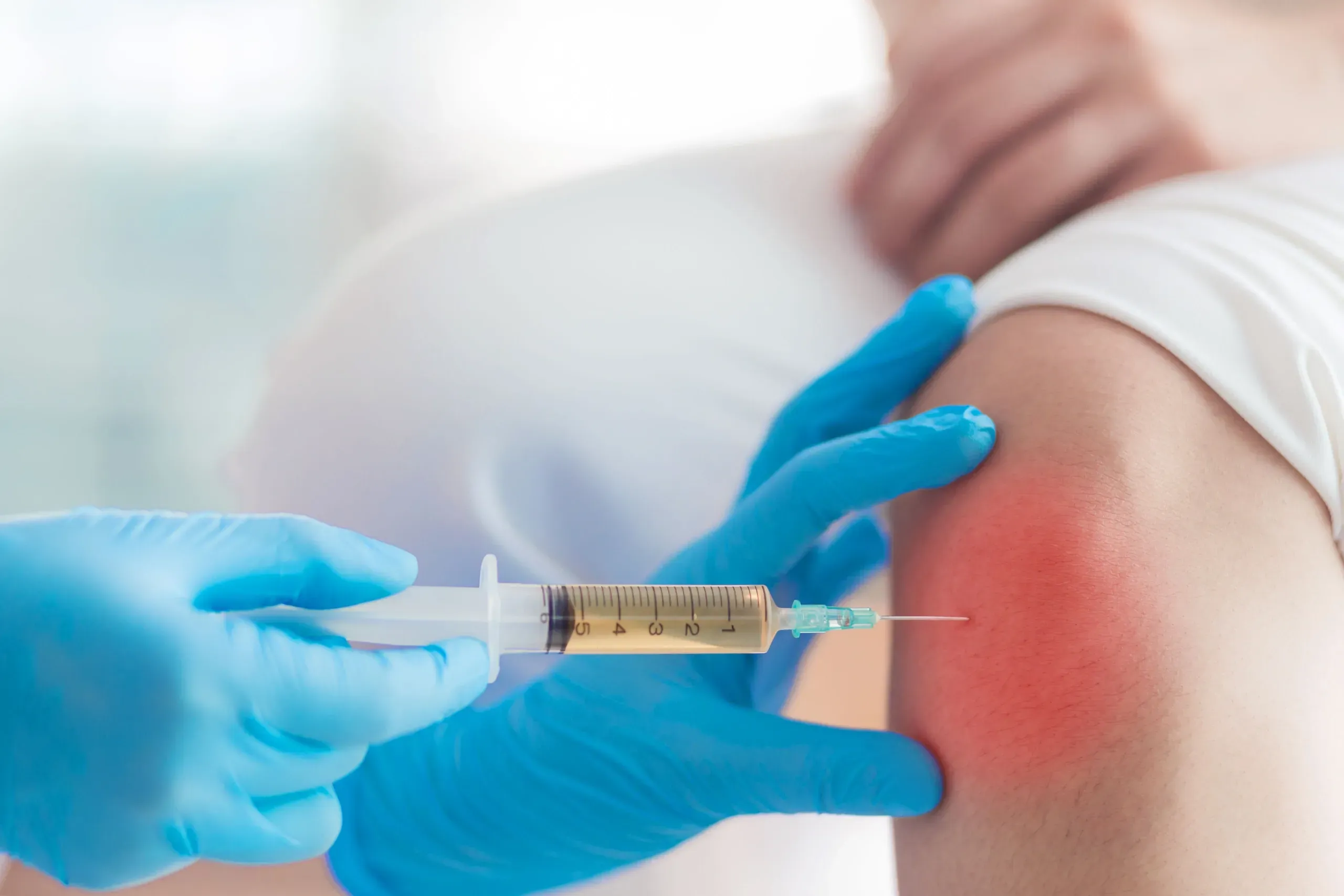
PRP injections offer that middle option. Dr. Leo Chen draws a small sample of your blood, concentrates the platelets in a sterile centrifuge and injects them directly into the painful joint or tendon. The platelets release growth factors that signal local cells to repair damaged tissue, calm inflammation and improve function. Because PRP uses your own biology, there is no risk of allergic reaction or disease transmission from a donor. Patients comparing PRP with corticosteroid injections in Fort Walton Beach often appreciate that PRP targets repair, not just symptom suppression.
Autologous Growth Factor Therapy
Platelet-rich plasma (PRP) injection is a regenerative orthopedic procedure that uses concentrated platelets from your own blood to support healing of damaged joints, tendons and ligaments. Platelets are best known for clotting, but they also store and release growth factors including PDGF, TGF-beta, VEGF, IGF-1 and FGF. These proteins recruit local stem cells, signal new collagen production, encourage small blood vessel growth and modulate inflammation in chronic injury sites that the body has stopped trying to repair.
To prepare PRP, Dr. Leo Chen draws roughly 15 to 60 ml of your blood into a sterile tube. The tube is spun in a centrifuge for several minutes, which separates the blood into three layers: red blood cells at the bottom, a buffy coat of platelets and white cells in the middle, and platelet-poor plasma on top. The platelet-rich layer is drawn off and prepared for injection. The result is a concentrate that contains platelets at 3 to 5 times the level found in normal whole blood.
Dr. Leo Chen then injects the concentrated platelets directly into the painful structure. Common targets include the knee joint for knee arthritis, the rotator cuff and biceps tendon at the shoulder for rotator cuff tears, the lateral epicondyle for tennis elbow, the patellar and Achilles tendons, and the plantar fascia. Image guidance, such as ultrasound, helps confirm accurate placement when the target is small or deep. Patients with chronic joint pain and sports injuries often qualify after a careful exam. Because the cells and growth factors come from your own body, there is no risk of allergic reaction or disease transmission from a donor product.
PRP is not a steroid and does not work like one. Cortisone shots quiet inflammation quickly but do not repair tissue and can weaken cartilage and tendon over repeated use. PRP works the other direction: a short flare of local inflammation in the first 48 to 72 hours kicks off a healing cascade that continues for weeks. That is why most PRP patients feel a brief increase in soreness, then steady improvement over 6 to 12 weeks. Many people benefit from a series of 1 to 3 injections spaced 4 to 6 weeks apart, depending on the structure treated and the severity of the underlying condition.
Healing from within
2000+ Satisfied patients






Autologous platelets reduce risk of allergic reaction or rejection.
Growth factors stimulate collagen and cell repair, not just symptoms.
In-office injection with local anesthetic and short recovery.
A non-operative option for many joint and tendon conditions.
Ultrasound guidance confirms placement at small or deep targets.
Compare your options
| Treatment | Mechanism | Time | Results | Duration | Downtime | Best For |
|---|---|---|---|---|---|---|
| PRP Injections | Autologous platelet growth factors signal tissue repair | 45 to 60 minutes | Progressive over 6 to 12 weeks | 6 to 12 months or longer per series | 1 to 3 days light rest | Knee OA, tendinopathy, partial rotator cuff tears |
| Corticosteroid Injections | Anti-inflammatory steroid that quiets local inflammation | 10 to 15 minutes | Often felt within 2 to 5 days | Weeks to a few months | 24 to 48 hours | Acute flares and short-term symptom relief |
| Non-Operative Care | Physical therapy, bracing, activity changes and medications | Weeks to months of consistent work | Gradual functional gains | Long-term when maintained | None | First-line care for most orthopedic complaints |
Honest candidacy review
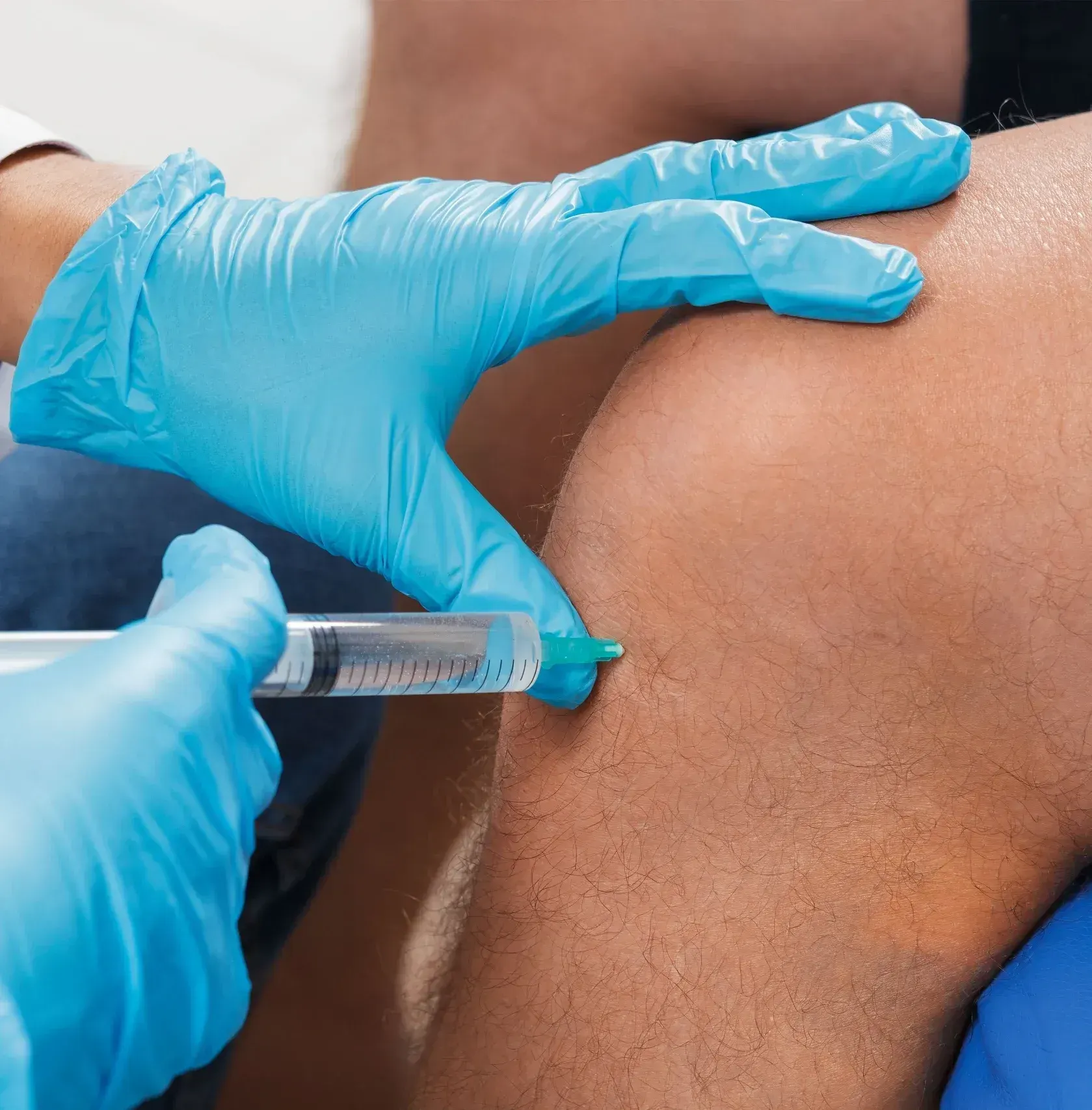
PRP works best when there is something to heal: a partly damaged tendon, mild to moderate osteoarthritis or a chronic soft tissue injury that has not responded to standard care. Dr. Leo Chen reviews your history, exam and imaging before recommending PRP so the treatment fits the structure and the goal.
Dr. Leo Chen will discuss medications, NSAID timing and any conditions that might affect candidacy at your consultation.
Dr. Leo Chen reviews your history, exam findings and any prior imaging to confirm PRP is the right fit.
A small sample of your blood is drawn into a sterile tube, similar to a routine lab draw.
The sample is spun in a sterile centrifuge to concentrate platelets and growth factors.
Dr. Leo Chen injects the PRP into the target joint or tendon, using ultrasound guidance when needed.
You receive written instructions on activity, ice, NSAID timing and follow-up scheduling.
What to know
PRP uses your own platelets, so the most common side effects are local and short-lived. The most frequent reaction is a brief flare of soreness, stiffness or swelling at the injection site for 24 to 72 hours after the procedure. This is part of the early inflammatory phase that triggers healing and is usually managed with ice, rest and acetaminophen. Dr. Leo Chen will give you specific instructions on what pain relievers are safe and which to avoid, since most NSAIDs (ibuprofen, naproxen, aspirin) can blunt the healing response and are typically held for a defined window before and after the procedure.
Less common reactions include bruising at the blood draw or injection site, mild bleeding, temporary numbness from the local anesthetic and a transient increase in joint or tendon pain.
Rare but more serious risks include local infection at the injection site, nerve or vessel irritation from needle placement and an allergic reaction to the local anesthetic used at the skin.
Call the office if you develop fever, increasing redness, warmth or swelling at the injection site, severe pain that worsens after 72 hours or any new neurologic symptoms. Outside of office hours, seek evaluation at the nearest emergency department.
PRP injections are generally considered regenerative medicine and, in most cases, are not covered by health insurance or Medicare for orthopedic indications. That means PRP is typically a self-pay service, and the total cost depends on the joint or tendon treated, the size of the PRP kit used, whether image guidance is required and the number of injections recommended in your plan.
At Emerald Coast Sports Medicine and Orthopaedics, you receive a clear, itemized estimate at your consultation before any PRP injection is scheduled. Many patients benefit from a series of 1 to 3 injections spaced 4 to 6 weeks apart, and the office will outline the full expected cost of the series, not just one shot. The initial orthopedic consultation that determines whether PRP is appropriate may be billable to insurance separately, since it includes a covered evaluation and any needed X-ray.
If you have an HSA or FSA, PRP may be eligible depending on your plan, and the front desk can provide an itemized receipt with the appropriate CPT codes for you to submit. We also discuss reasonable financing options when patients are weighing a longer series of injections versus other interventions.
For current PRP pricing for your specific joint or tendon, the size of kit used and any bundled or series discounts that may apply, please call Emerald Coast Ortho at (850) 864-3339. The team will walk you through the options and schedule an evaluation with Dr. Leo Chen so you can make an informed decision before any procedure is booked.
Fort Walton Beach, FL
Dr. Leo Chen evaluates and performs every PRP injection himself.
Same-day imaging confirms anatomy before treatment.
PRP is offered within a broader plan, not pushed as a fix-all.
24 years of patient-centered orthopedic care in Okaloosa County.
PRP is offered alongside corticosteroid, epidural steroid, and facet joint injections - allowing Dr. Leo Chen to match the right injection therapy to your specific diagnosis.
Fellowship training in sports medicine means Dr. Leo Chen understands the demands of active patients - from weekend athletes to active duty military - and tailors PRP protocols to support real functional recovery.
Common questions answered
PRP is most often used for knee osteoarthritis, rotator cuff tendinopathy and partial tears, tennis and golfer's elbow, patellar and Achilles tendinopathy, plantar fasciitis and certain sports injuries of tendons and ligaments.
Most patients benefit from a series of 1 to 3 PRP injections spaced 4 to 6 weeks apart. Dr. Leo Chen tailors the number and timing to the structure treated, the severity of the condition and your response to the first injection.
Many patients notice gradual improvement starting around 4 to 6 weeks after the injection, with continued gains through 12 weeks. Tendon healing can keep improving for several months.
In most cases, PRP for orthopedic conditions is not covered by health insurance or Medicare and is offered as a self-pay service. Call (850) 864-3339 for current pricing for your specific joint or tendon.
The blood draw feels like a routine lab draw. The injection itself is usually well tolerated with local anesthetic, though mild soreness for 1 to 3 days afterward is common as the healing response begins.
For some patients with mild to moderate joint or tendon problems, PRP may delay or avoid surgery. For severe or end-stage conditions, surgery may still be the better option, and Dr. Leo Chen will give you an honest read at your evaluation.