Evaluation
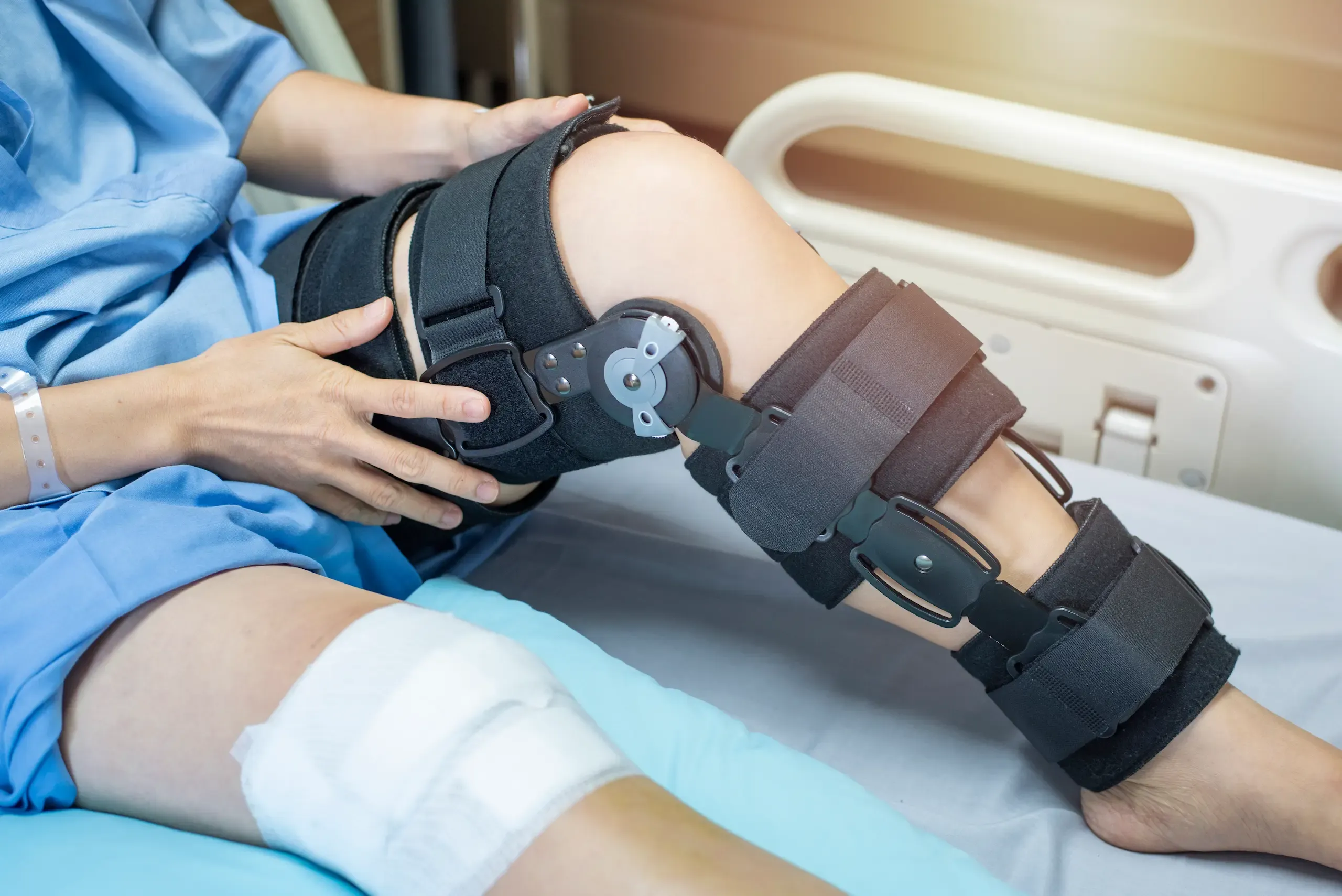
Dr. Leo Chen reviews your history, performs a focused knee exam, and orders on-site digital X-rays as needed.

In-Office Fitting and Dispensing
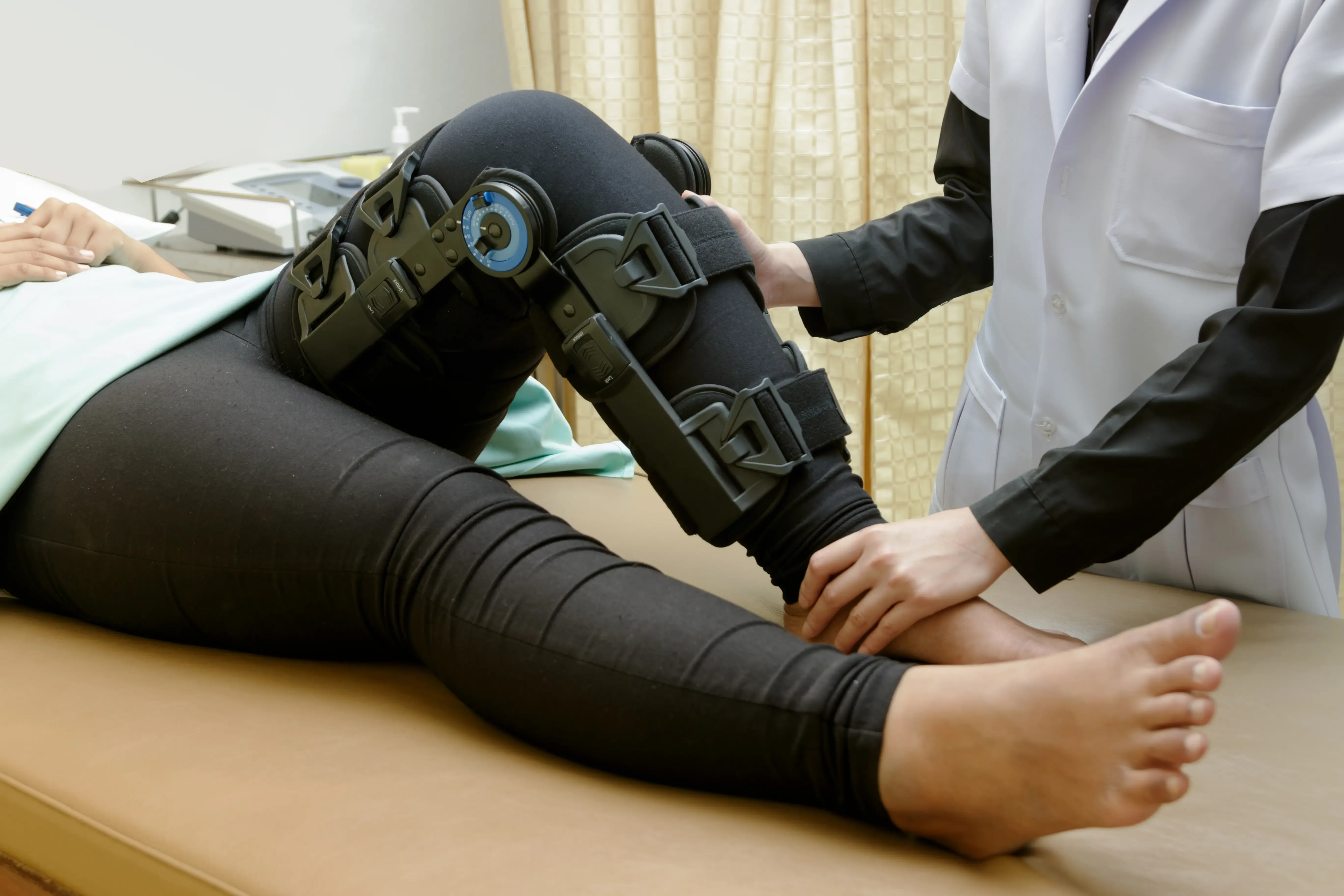
The Problem and the Solution
Knee instability, ligament tears, meniscus injuries, post-surgical recovery, and osteoarthritis can leave the knee feeling unsteady or painful with everyday motion. Patients often describe buckling on stairs, sharp pain with pivoting, swelling after activity, or grinding under the kneecap. Without external support, the joint compensates with surrounding muscles, which leads to fatigue, altered gait, and risk of further injury. Many people try over-the-counter sleeves that do not match their actual diagnosis or anatomy.
A properly fitted knee brace stabilizes the joint, offloads damaged compartments, and protects healing tissues so you can return to walking, working, and training with confidence. At Emerald Coast Ortho, Dr. Leo Chen matches each patient to the correct brace category, whether that is an ACL functional brace, an unloader for medial osteoarthritis, a post-op hinged brace, or a simple neoprene sleeve for mild support. Braces are fitted and dispensed on-site, so you leave the same day with the device on and instructions in hand.
Categories, Mechanics, and Indications
A knee brace is a medical device worn over the knee to provide mechanical support, control motion, offload pressure, or protect a surgical repair. Modern orthopedic bracing is highly category-specific, and choosing the wrong type can leave a knee under-supported or, in some cases, place unwanted stress on the joint. At Emerald Coast Ortho in Fort Walton Beach, Dr. Leo Chen prescribes and fits each device based on imaging, exam findings, and your activity level.
Functional ligament braces are used for ACL, PCL, MCL, and LCL injuries or reconstructions. ACL braces stabilize against anterior translation of the tibia. PCL braces resist posterior sag. MCL and LCL braces protect the inner and outer collateral ligaments from valgus and varus stress, respectively. Unloader braces are designed for unicompartmental knee osteoarthritis. They apply a three-point bending force that shifts load away from the damaged medial or lateral compartment, often reducing pain and delaying the need for knee replacement. Post-operative hinged braces lock or limit range of motion after ligament reconstruction, meniscus repair, cartilage procedures, or fracture fixation. Neoprene sleeves offer compression, warmth, and proprioceptive feedback for mild pain, mild swelling, or patellofemoral irritation, but they do not provide ligamentous support.
Braces also vary by construction. Off-the-shelf braces come in sized increments and fit most patients quickly. Custom braces are molded or measured to the individual leg and are recommended for patients with significant ligament laxity, unusual anatomy, very active lifestyles, or chronic instability. Frames are typically aluminum or carbon composite with adjustable hinges, condyle pads, and Velcro straps. Dr. Leo Chen explains the trade-offs of each option, including weight, durability, profile under clothing, and cost.
Function and Confidence
2000+ Satisfied patients






Controls motion that aggravates injured ligaments, menisci, or cartilage.
Unloader designs shift load off arthritic compartments to ease daily pain.
Limits range of motion after surgery so repaired tissues can heal.
Lets many patients walk, work, and train sooner with reduced fear of buckling.
Often part of a non-operative plan that delays or avoids knee surgery.
Off-the-shelf braces are fitted and sent home with you the same visit.
How Options Compare
| Treatment | Mechanism | Time | Results | Duration | Downtime | Best For |
|---|---|---|---|---|---|---|
| Knee Braces | External mechanical support, offloading, motion control | 20 to 30 min fitting | Immediate stability and pain relief | Months to years depending on brace | None | Ligament injuries, OA, post-op protection |
| Non-Operative Care | Therapy, activity modification, anti-inflammatories, bracing | Weeks to months program | Gradual functional gains | Long-term lifestyle integration | Minimal | Mild to moderate knee pain, early OA |
| PRP Injections | Concentrated platelets stimulate biologic healing in joint or soft tissue | 30 to 45 min visit | Onset over 4 to 6 weeks | 6 to 12 months typical | 1 to 3 days of soreness | Mild to moderate OA, tendon and ligament injuries |
Indications and Cautions
Knee bracing benefits patients across a wide range of injuries and conditions, but the right brace depends on an accurate diagnosis. Dr. Leo Chen reviews your history, exam, and imaging before recommending a specific device.
If a brace is not the right tool, Dr. Leo Chen will discuss alternatives such as targeted therapy, injection-based care, or surgical consultation.
Dr. Leo Chen reviews your history, performs a focused knee exam, and orders on-site digital X-rays as needed.
Dr. Leo Chen explains hinged, unloader, post-op, or neoprene options and selects the right category for your diagnosis.
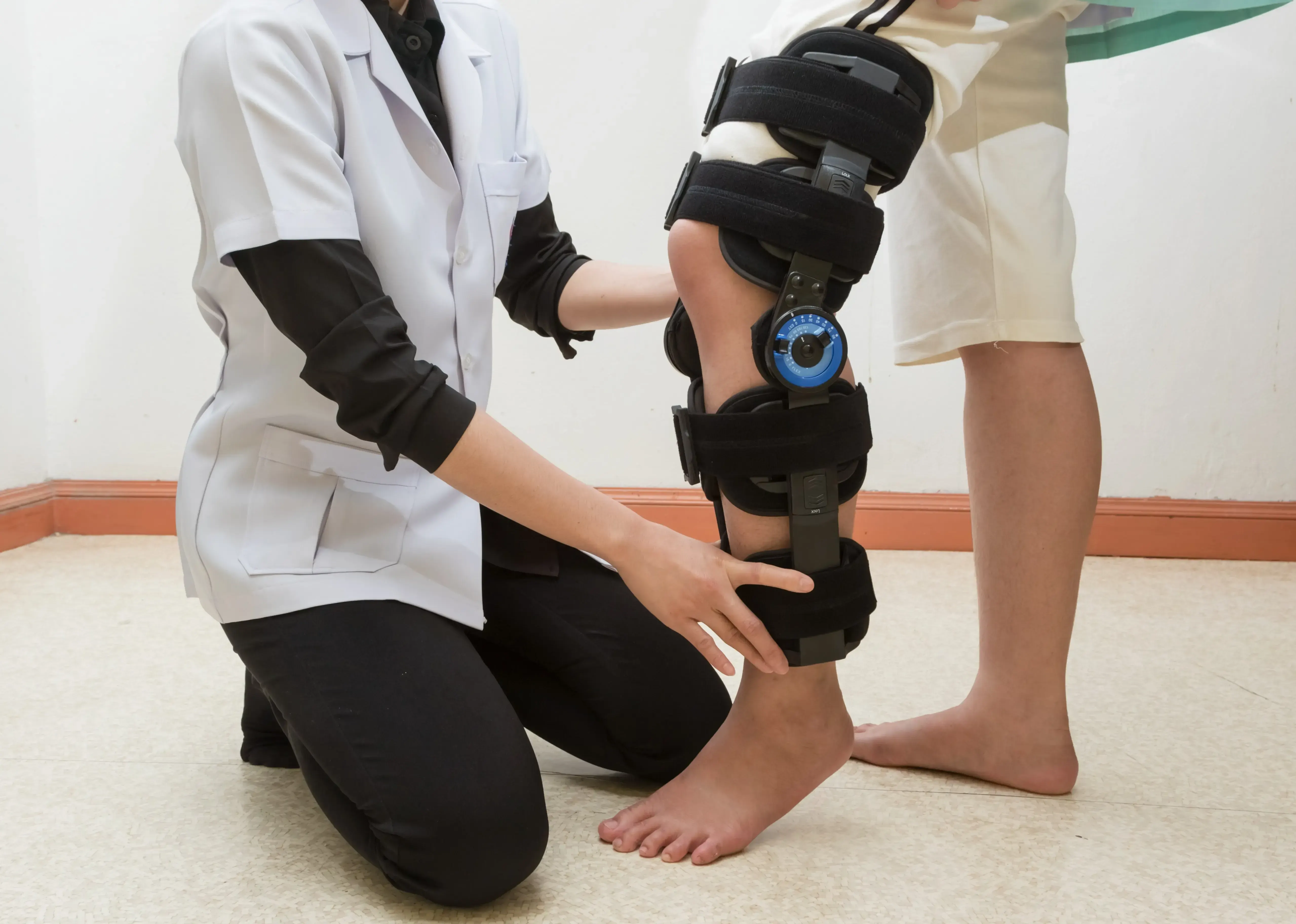
Staff measure thigh and calf circumference and knee center height to size off-the-shelf braces or cast for custom builds.
The brace is applied, hinges and straps are adjusted, and Dr. Leo Chen confirms alignment, comfort, and range of motion.
You receive written wear schedule, skin care, and follow-up guidance before leaving the office.
What to Watch For
Knee bracing is a low-risk intervention, but every device that sits on the skin and applies force to a joint carries some potential issues. Knowing what is normal versus what needs attention helps you get the most from your brace.
Common, mild effects include temporary skin redness or pressure marks where straps and condyle pads contact the leg, mild itching or sweating under the sleeve in Florida heat, and a brief adjustment period as your gait adapts to the support. These usually settle within a few days as straps are fine-tuned and as you learn the optimal wear pattern.
Uncommon issues include contact dermatitis from neoprene or strap materials, blistering at hinge contact points if the brace is poorly aligned, and calf or thigh muscle soreness if the brace alters your walking pattern.
Rare but important problems include skin breakdown in patients with neuropathy or vascular disease, worsened pain if the wrong brace category is used, and circulatory changes if straps are over-tightened.
Patients should remove the brace and callEmerald Coast Ortho at (850) 864-3339 for new numbness, severe swelling, color changes in the foot or toes, persistent pain that the brace seems to worsen, or any open skin wound under the device.
The cost of a knee brace depends on the brace category, whether the device is off-the-shelf or custom-fabricated, and your insurance benefits. Most off-the-shelf hinged knee braces dispensed in-office at Emerald Coast Ortho are billed as durable medical equipment (DME) and are commonly covered, in whole or in part, by Medicare and most commercial insurance plans when medically necessary.
Functional ligament braces and unloader braces for osteoarthritis tend to be priced higher than basic neoprene sleeves because of their hinge construction, materials, and clinical engineering. Custom braces, which are measured or molded specifically to your leg, are typically the highest cost tier and are generally reserved for patients with significant ligament instability, unusual anatomy, or high-demand sport or work requirements.
Your insurance benefits, deductible, and DME coverage status all influence your out-of-pocket cost. Before fitting, our team verifies your benefits and explains any deductible, co-insurance, or prior authorization requirements that apply. Self-pay pricing is also available and often comparable to retail brace pricing, with the added value of surgeon-led evaluation and fitting.
Because pricing varies by brace and insurance plan, the most accurate quote comes from a consultation. Call our Fort Walton Beach office at (850) 864-3339 to verify your benefits, ask about specific brace options, and schedule an evaluation with Dr. Leo Chen.
Fort Walton Beach, FL
Dr. Leo Chen personally evaluates and fits every brace, no vendor handoff.
Off-the-shelf braces leave with you the same day from our Fort Walton Beach office.
On-site digital imaging confirms diagnosis before the brace is prescribed.
Bracing is integrated with PRP, therapy, and other conservative options to delay surgery.
Knee braces are billable as durable medical equipment under most commercial plans, Medicare, and Tricare. We handle the paperwork so you leave with your brace the same day.
Bracing is one part of a complete knee care plan. From X-ray to PRP injections to arthroscopy, every option is available at the same Fort Walton Beach practice.
Knee Brace FAQs
It depends on your diagnosis. Dr. Leo Chen matches ACL, PCL, MCL, and LCL injuries to functional hinged braces, osteoarthritis to unloader braces, post-op recoveries to locking hinged braces, and mild pain to neoprene sleeves.
Most medically necessary hinged and unloader knee braces are covered by Medicare and commercial insurance as durable medical equipment. Our team verifies your benefits before fitting and reviews any deductible or co-insurance with you.
A correct fit centers the hinges over the knee joint line, stays in place when you walk, does not pinch behind the knee, and does not cause numbness or color changes in the foot. Dr. Leo Chen confirms fit at the visit and adjusts as needed.
Many braces can be worn during all weight-bearing activity, but some, including post-op locking braces and unloader braces, follow specific schedules. Always follow Dr. Leo Chen's written wear plan and remove the brace to check your skin daily.
Off-the-shelf braces come in standard sizes and fit most patients the same day. Custom braces are measured or molded to your leg and are typically reserved for significant instability, unusual anatomy, or demanding sport or work.