
Hip pain rarely has a single cause. It can come from the joint itself (cartilage loss, labral tears), the soft tissues around it (bursae, tendons, muscles), or from referred pain originating in the low back. Osteoarthritis is the most common cause in adults over 50, while younger and active patients more often present with bursitis, gluteal tendinopathy, hip impingement (FAI), or labral tears. Falls, sports injuries, and stress fractures can also trigger sudden hip pain. Dr. Leo Chen performs a focused physical exam and reviews on-site digital X-rays to identify the underlying source before recommending treatment.
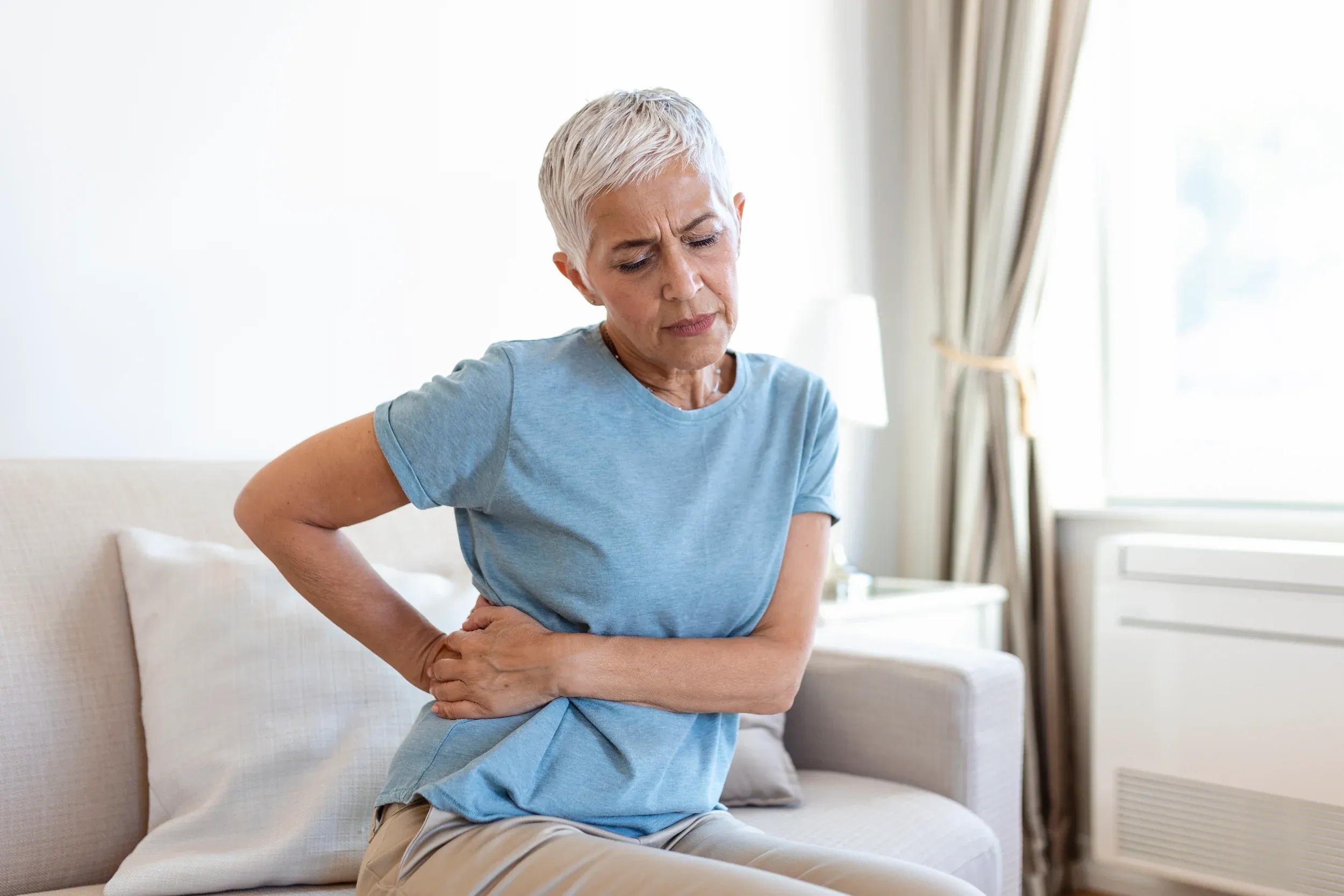
Hip Pain Treatment in Fort Walton Beach, FL
Board-certified orthopedic evaluation with Dr. Leo Chen
Common In:Adults 40+, athletes, post-injury patients
Top Causes:Osteoarthritis, bursitis, labral tears, tendinopathy
First Step:Same-day on-site digital X-ray and exam
Approach:Non-operative care first, surgery only when needed

Hip Pain in Fort Walton Beach, FL: Orthopedic Evaluation and Treatment for Hip Pain and Stiffness
Board-certified orthopedic care from Dr. Leo Chen
Hip pain can limit your ability to walk, sleep, work, and stay active. At Emerald Coast Sports Medicine and Orthopaedics, Dr. Leo Chen provides personalized orthopedic evaluation for hip pain and stiffness, with same-day on-site digital X-ray and a non-operative-first approach. We care for patients across Fort Walton Beach, Niceville, Destin, Crestview, Mary Esther, Shalimar and surrounding Okaloosa County.
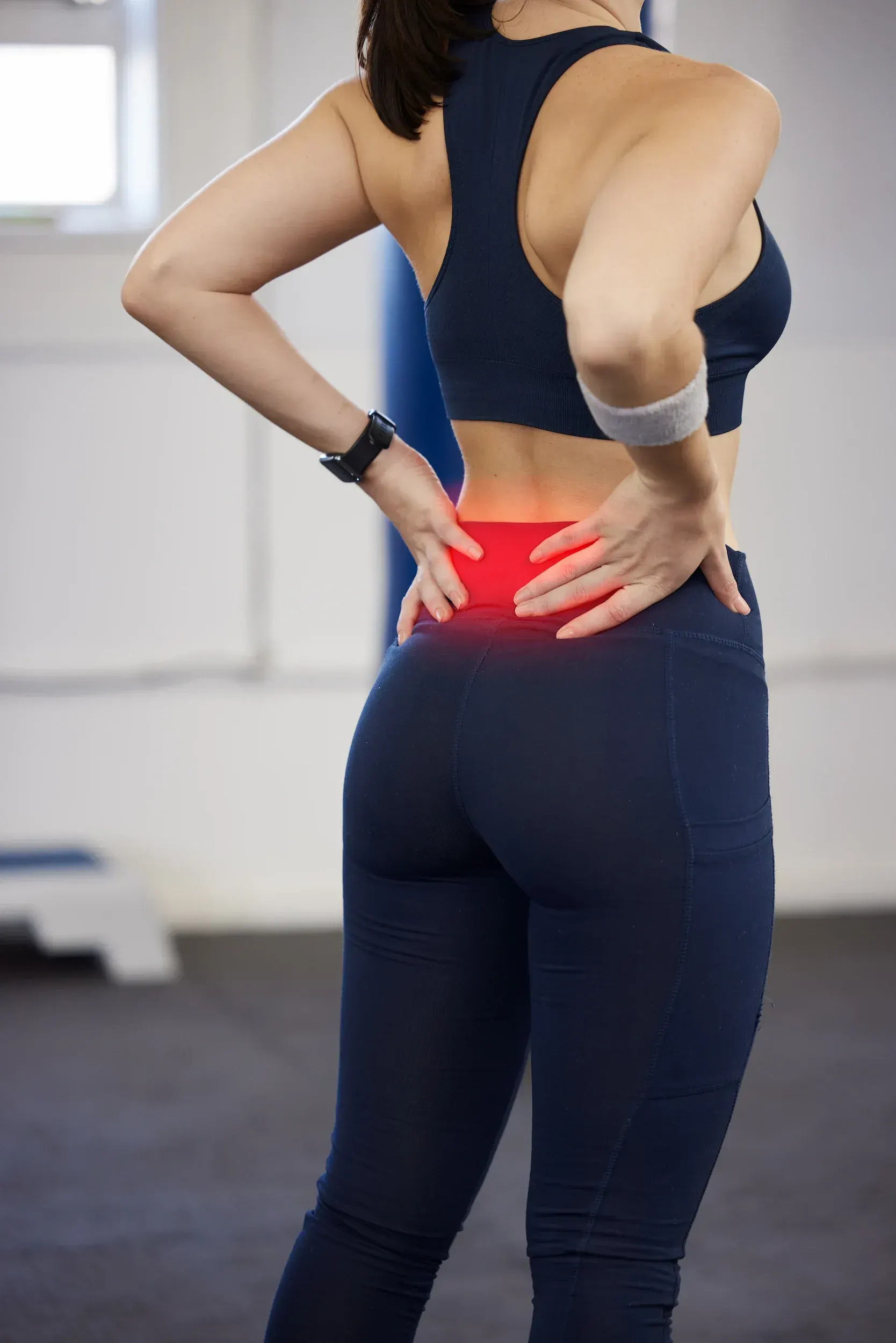
Common Causes of Hip Pain
From wear and tear to acute injury

When Hip Pain Needs Orthopedic Attention
Persistent hip pain that lasts more than two weeks, limits daily activities, wakes you at night, or follows a fall deserves an orthopedic evaluation. Early diagnosis often allows us to manage symptoms with conservative options like physical therapy, activity modification, bracing, or image-guided injections, helping you avoid surgery when possible.
Why Choose Emerald Coast Ortho for Hip Pain
- Board-Certified Surgeon
- Same-Day Imaging
- Non-Operative First
- In-Office DME
Hip Pain Treatment Options
How our hip treatments compare
| Treatment | Best For | Session Time | Results Timeline | Maintenance |
|---|---|---|---|---|
| Corticosteroid Injections | Bursitis, mild to moderate arthritis flares, tendinopathy | 15 to 20 minutes | Relief within 3 to 7 days | Repeat every 3 to 4 months as needed |
| PRP Injections | Mild osteoarthritis, gluteal tendinopathy, soft tissue healing | 45 to 60 minutes | Gradual improvement over 4 to 12 weeks | 1 to 3 sessions, then annual touch-ups |
| Hip Replacement | Advanced osteoarthritis, severe joint damage, failed conservative care | 60 to 120 minutes (surgical) | Walking within days, full recovery 3 to 6 months | Annual orthopedic follow-up |
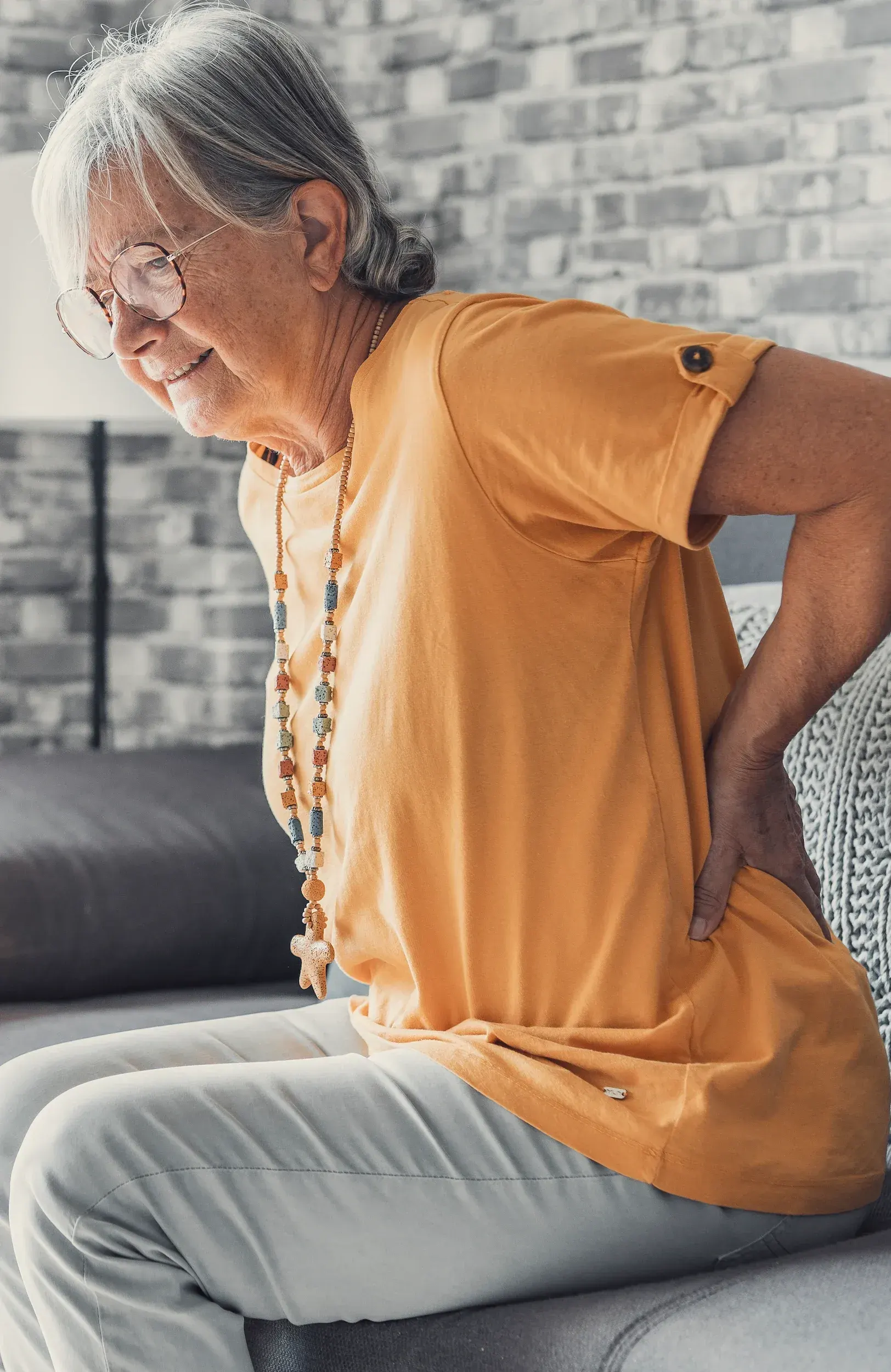
Signs You May Need a Hip Pain Evaluation
Recognize when to call Dr. Leo Chen
- Groin or Front-Hip Pain
- Outer Hip Tenderness
- Stiffness and Limited Motion
- Clicking, Catching, or Locking
- Pain After a Fall or Injury
- Night Pain or Limping
Frequently Asked Questions About Hip Pain
01 What causes hip pain?
Hip pain can come from inside the joint (osteoarthritis, labral tears, FAI), the surrounding soft tissues (trochanteric bursitis, gluteal tendinopathy), fractures after a fall, or referred pain from the lower back. Dr. Leo Chen uses a focused exam and on-site digital X-ray to pinpoint the cause.
02 When should I see a doctor for hip pain?
See an orthopedic specialist if your hip pain lasts more than two weeks, wakes you at night, limits your ability to walk or sleep on your side, follows a fall, or comes with limping. Sudden inability to bear weight after an injury should be evaluated urgently.
03 Can hip pain be treated without surgery?
Yes, most hip pain responds to non-surgical care. Physical therapy, activity modification, anti-inflammatory medications, corticosteroid injections, and PRP injections often resolve symptoms. Emerald Coast Ortho takes a non-operative-first approach and reserves hip replacement for advanced arthritis or failed conservative care.
04 Is my hip pain arthritis?
Hip osteoarthritis typically causes deep groin pain, morning stiffness, and reduced range of motion that worsens with activity and improves with rest. An X-ray, performed on-site during your visit, along with a clinical exam from Dr. Leo Chen, will confirm whether arthritis is the cause.
05 How long does it take to recover from a hip injection?
Most patients return to normal activities the same day after a corticosteroid or PRP injection. You may feel sore for 24 to 48 hours; cortisone usually offers relief within 3 to 7 days, while PRP improves symptoms gradually over 4 to 12 weeks.
Location339 NW Racetrack Rd, Suite 12
Fort Walton Beach, FL, 32547
Fort Walton Beach, FL, 32547
Emailfwbortho@gmail.com
Phone(850) 864-3339
Schedule Your Consultation
Scientific References
- PubMed (PMID: 31034835) - Review confirming hip osteoarthritis as the leading cause of chronic hip pain in adults over 50.
- PubMed (PMID: 32007050) - Evidence supporting image-guided corticosteroid injections for short-term relief of hip osteoarthritis and bursitis.
- PubMed (PMID: 33289070) - Meta-analysis on platelet-rich plasma injections for hip osteoarthritis showing functional improvement versus placebo.
- PubMed (PMID: 30908850) - AAOS clinical practice guideline on management of osteoarthritis of the hip including indications for total hip arthroplasty.